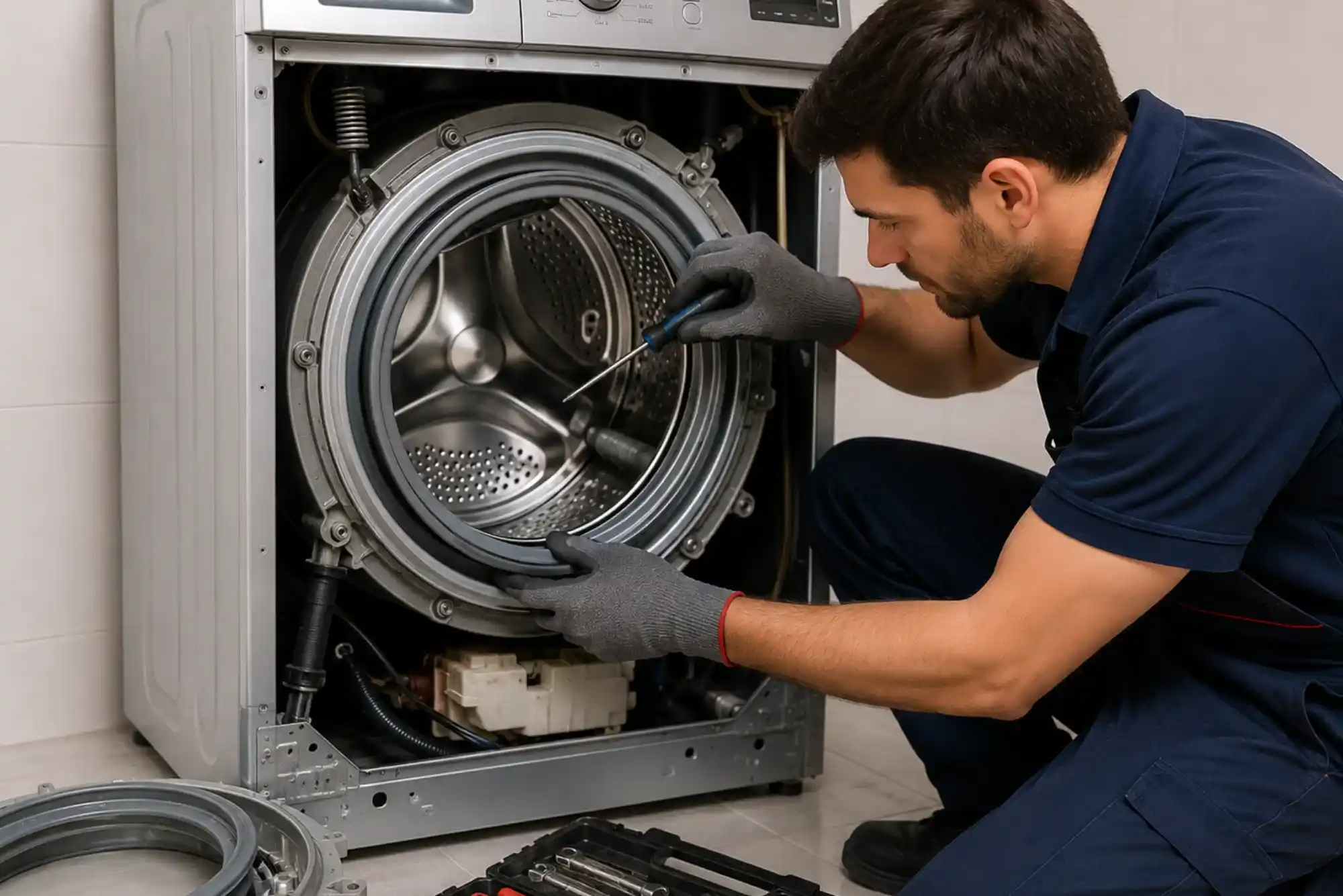
Washing Machine Drum Repair: Causes, Signs, and Practical Solutions
A washing machine drum is one of the hardest-working components inside a washer. It rotates through different speeds, handles heavy wet loads, and operates repeatedly during every wash cycle. When the drum becomes noisy, unbalanced, stuck, or unable to spin properly, the problem can quickly affect the entire appliance. Understanding when washing machine drum repair is needed can help homeowners avoid further damage and decide whether a simple adjustment or professional service is appropriate.
Drum problems do not always mean that the entire washing machine needs replacing. In many cases, the underlying issue may involve an unbalanced load, worn bearings, damaged suspension components, a loose belt, or a problem with the motor or drive system. Identifying the actual cause is therefore more important than simply replacing a visible component.
What Causes Washing Machine Drum Problems?
The drum works together with several mechanical and electrical components. A fault in any of these parts can change the way the drum moves. Some problems develop gradually through normal wear, while others appear suddenly after an overloaded or improperly balanced wash.
Worn Drum Bearings
Bearings allow the drum to rotate smoothly. When they become worn, users may notice grinding, rumbling, or increasingly loud sounds during the spin cycle. Continued operation with severely damaged bearings can place additional strain on other moving parts.
Unbalanced or Overloaded Loads
Not every drum problem is caused by a mechanical failure. Heavy blankets, towels, or clothing collected on one side of the drum can create an imbalance. The machine may shake excessively, move across the floor, or repeatedly stop the spin cycle.
Before arranging a repair, redistribute the clothing and make sure the washer is standing level. If the problem happens repeatedly even with normal loads, a deeper inspection may be necessary. You can also review these washing machine vibration solutions for common causes of excessive movement.

Damaged Drive Belt or Motor Components
Many washing machines rely on a belt or direct-drive system to transfer power to the drum. A stretched or broken belt may prevent the drum from spinning correctly. In other cases, the motor, motor coupling, or related control components may be responsible.
Common Signs You May Need Washing Machine Drum Repair
A washer does not always stop working completely when a drum-related fault begins. Early symptoms can provide useful clues and may help prevent a minor problem from becoming a more expensive repair.
- The drum makes grinding, knocking, or rumbling noises.
- The drum does not spin or rotates inconsistently.
- The washing machine vibrates excessively during high-speed spinning.
- The drum appears loose when moved by hand.
- The washer stops before completing the spin cycle.
- Clothes remain unusually wet after the cycle finishes.
- The machine produces unusual sounds that were not present previously.
A drum that feels unusually loose should not be ignored. Excessive movement can indicate worn bearings, suspension problems, or another mechanical fault. Similarly, repeated vibration should not simply be treated as a normal characteristic of the appliance.
Repair or Replacement: What Makes More Sense?
The right solution depends on the actual fault, the appliance’s condition, availability of replacement components, and the overall cost of the repair. A relatively minor component failure may be worth repairing, while extensive damage to an older appliance may require a different decision.
| Problem | Typical Approach | Professional Inspection |
|---|---|---|
| Unbalanced load | Redistribute the load and level the machine | Needed if the issue keeps returning |
| Worn bearings | Inspect and replace damaged components when practical | Recommended |
| Broken drive belt | Inspect belt and drive system | Recommended |
| Drum or tub damage | Assess repair versus component replacement | Strongly recommended |
For broader appliance support, Abu Dhabi Home Repair’s washing machine repair service provides a useful starting point for assessing washer-related faults.
Regular maintenance can also reduce avoidable problems. Cleaning the washer, avoiding excessive loads, checking the machine’s balance, and paying attention to unusual sounds can help identify developing faults earlier. These washing machine maintenance tips can help keep the appliance operating more reliably.
When the drum stops spinning correctly or begins making persistent mechanical noises, continuing to run repeated cycles may not be the best approach. The next step is to identify whether the fault is related to the drum itself, the drive mechanism, suspension system, or another component.
In the next part, we will look at how professionals diagnose drum faults, when DIY checks are appropriate, the role of drum bearings and suspension components, and how to decide whether repair or replacement is the more practical option.
How Professionals Diagnose a Washing Machine Drum Fault
Accurate diagnosis is the most important stage of washing machine drum repair. A technician should not assume that a noisy or stationary drum automatically means the drum itself is damaged. The same symptom can come from several different components, so a proper inspection helps identify the actual source of the problem.
The inspection usually begins with the machine’s external condition. The technician checks whether the washer is level, looks for signs of movement or water leakage, and listens for unusual sounds during operation. If necessary, the appliance is then examined internally to assess the drive system, bearings, suspension components, belt, motor, and drum assembly.
Checking the Drum by Hand
With the appliance switched off and disconnected from power, a technician may manually rotate the drum and check its movement. A smooth rotation is generally expected. Grinding, resistance, excessive play, or unusual movement can provide clues about worn bearings or other mechanical problems.
Inspecting the Drive System
The drive system transfers power from the motor to the drum. A damaged belt, worn pulley, motor problem, or related component can prevent normal spinning even when the drum itself is still usable.
This is why replacing the drum without diagnosing the drive mechanism can be an unnecessary expense. A professional assessment helps separate a drum fault from a problem elsewhere in the machine.
Can You Fix a Washing Machine Drum Yourself?
Simple checks are reasonable for homeowners, but internal drum repairs require more caution. Washing machines contain electrical connections, moving components, water connections, and heavy assemblies. Incorrectly dismantling the appliance can create additional damage or safety risks.
Before calling for service, homeowners can safely perform a few basic checks:
- Switch the washing machine off and disconnect it from the power supply.
- Remove excess clothing if the drum was heavily loaded.
- Check whether the appliance is standing level on the floor.
- Look for obvious signs of leakage around the machine.
- Check whether the drum rotates normally when the appliance is safely disconnected.
- Avoid operating the washer repeatedly if loud grinding or severe movement continues.
If these basic checks do not identify the problem, professional diagnosis is usually more appropriate than attempting to dismantle the drum assembly.
When Drum Bearings Need Attention
Bearings are particularly important because they support smooth drum rotation. As they wear, the machine may become progressively louder, especially during high-speed spin cycles. Some washers may also develop noticeable drum movement.
A bearing problem should be assessed early because continued operation with significant mechanical wear can affect other components. The exact repair procedure depends on the washing machine’s design. Some models allow individual components to be serviced more easily than others, while certain assemblies may require more extensive work.
Expert Tip: Do not judge a drum problem only by the noise it makes. A similar symptom can be caused by an unbalanced load, worn bearings, suspension damage, or a drive-system fault. Proper diagnosis should come before component replacement.
How to Reduce Future Drum Problems
Good operating habits can help reduce unnecessary stress on the washing machine. The objective is not to prevent every mechanical failure—wear is inevitable—but to avoid conditions that place excessive strain on the drum and supporting components.
- Follow the manufacturer’s recommended load capacity.
- Avoid repeatedly washing very heavy items in an overloaded drum.
- Keep the washing machine properly levelled.
- Remove objects such as coins and hard items from clothing pockets.
- Pay attention to new or unusual sounds.
- Keep the washer clean and follow the manufacturer’s maintenance instructions.
If a machine develops a persistent spinning problem, it can also be useful to compare the symptoms with common washer faults covered in quick washer repair solutions.
Washing Machine Drum Repair vs. Full Replacement
Repair is not automatically the best choice in every situation. The age of the appliance, severity of the fault, availability of compatible parts, labour involved, and expected future reliability should all be considered.
A newer washing machine with a replaceable bearing, belt, suspension component, or other relatively contained fault may be a sensible repair candidate. On the other hand, extensive drum or tub damage on an older appliance may make replacement worth considering.
The decision should therefore be based on the actual condition of the machine rather than the symptom alone. A professional technician can explain which component has failed and what the practical repair options are.
Frequently Asked Questions
What is the most common reason a washing machine drum stops spinning?
Possible causes include an unbalanced load, damaged belt, motor problem, worn bearings, suspension issues, or a control-related fault. The exact cause requires diagnosis.
Can a washing machine drum be repaired?
Yes. Depending on the fault and appliance design, individual components such as bearings, belts, suspension parts, or drive components may be repairable or replaceable. Severe drum or tub damage may require a larger component replacement.
Why does my washing machine drum make a loud noise?
Loud noises can result from an unbalanced load, foreign objects, worn bearings, suspension problems, or drive-system faults. Persistent grinding or rumbling should be inspected rather than ignored.
Is it safe to use a washing machine with a loose drum?
A noticeably loose drum should be inspected before continued use. Operating a machine with a significant mechanical fault may allow the underlying problem to become worse.
Should I repair or replace my washing machine?
Consider the appliance’s age, repair requirements, parts availability, overall condition, and estimated repair cost. A technician can help determine whether repairing the existing machine is practical.
Conclusion
Effective washing machine drum repair starts with identifying the real cause of the problem. Excessive vibration, unusual noise, poor spinning, or a loose drum can point to several different faults, from simple load imbalance to worn bearings or damaged drive components.
Basic checks can sometimes resolve straightforward issues, but persistent mechanical symptoms deserve professional attention. Addressing the problem early can help prevent additional wear and restore reliable washing performance.
Related Reading: Your AC Warning Signs Before It Fails — Here Is What That Warning Looks Like
Related Reading: Washing Machine Mid-Cycle Stop Fix
Related Reading: Washing Machine Repair Solutions — full guide
Related Reading: Home Washing Machine Repair Expert
Related Reading: Washing Machine Motor Repair Cost
Related Reading: Causes of Washing Machine Leakage
Related Reading: Washing Machine Noise Problem Repair
