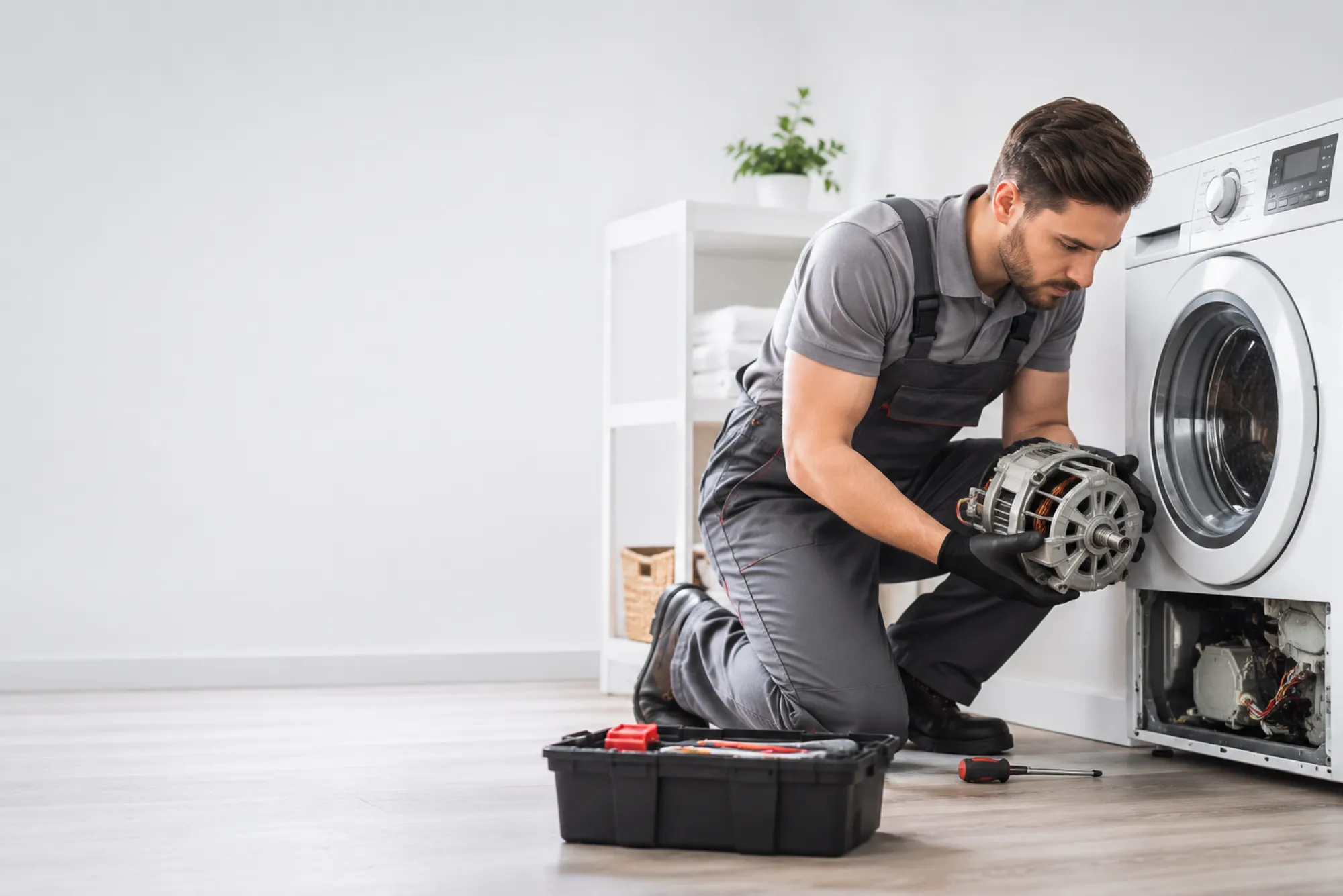
A washing machine is one of the hardest-working appliances in any home. Whether you’re handling daily family laundry or occasional weekend loads, the motor plays a central role in ensuring the drum spins efficiently through every wash and spin cycle. When the motor develops a fault, homeowners often wonder about the washing machine motor repair cost and whether repairing the appliance makes more financial sense than replacing it altogether.
The answer depends on several factors, including the type of washing machine, the severity of the motor issue, the availability of replacement parts, and the labor involved. Understanding these factors before calling a technician can help you make an informed decision while avoiding unnecessary expenses.
Why the Washing Machine Motor Is So Important
The motor powers the drum during washing and spinning cycles. Without it functioning correctly, the machine may fail to spin, stop midway through a cycle, make unusual noises, or display error codes.
Modern washing machines often use inverter or direct-drive motors that provide better energy efficiency and quieter operation. Older machines may rely on belt-driven motors, which have different maintenance requirements and repair considerations.
Common Signs of Motor Problems
Motor issues rarely appear without warning. Paying attention to early symptoms can reduce repair costs by preventing further damage.
The Drum Doesn’t Spin
If the machine fills with water but the drum remains stationary, the motor may not be receiving power or may have experienced internal failure.

Burning Smell
A noticeable burning odor during operation may indicate overheating windings, worn brushes, or electrical faults that require immediate attention.
Unusual Grinding or Humming Noises
Persistent mechanical sounds can suggest worn bearings, damaged motor components, or alignment problems.
Frequent Shutdowns
Some motors include thermal protection systems that automatically shut down when overheating occurs. Repeated interruptions often point to an underlying motor issue.
Factors That Affect Washing Machine Motor Repair Cost
Type of Motor
Not every washing machine motor is built the same. Traditional brushed motors are generally less expensive to repair than inverter or direct-drive motors, which involve more advanced components.
Availability of Replacement Parts
Popular appliance brands usually have replacement parts readily available. Older or discontinued models may require special ordering, increasing both waiting time and overall repair expenses.
Labor Charges
Labor costs vary depending on the complexity of the repair. Diagnosing electrical faults, removing the drum assembly, and replacing internal motor components require specialized knowledge and tools.
Extent of the Damage
Sometimes only carbon brushes or wiring need replacement. In other situations, the entire motor assembly may require replacement due to severe wear or electrical failure.
Age of the Appliance
If the washing machine is already approaching the end of its expected service life, investing heavily in motor repairs may not be the most economical option.
Repair or Replace?
One of the biggest decisions homeowners face is whether repairing the motor is worthwhile.
Repair is generally a practical choice when:
- The appliance is relatively new.
- The problem is limited to replaceable motor components.
- The rest of the washing machine remains in excellent condition.
- Replacement parts are reasonably priced.
Replacement may be more suitable when:
- The appliance has experienced multiple major failures.
- The motor replacement approaches the value of a new machine.
- Replacement parts are difficult to source.
- The appliance is no longer energy efficient.
Professional Diagnosis Matters
Motor symptoms can sometimes resemble problems caused by faulty control boards, damaged belts, worn bearings, or electrical supply issues. Attempting to diagnose the problem without proper equipment can result in replacing parts unnecessarily.
Qualified technicians perform electrical testing, inspect wiring connections, measure motor resistance, and identify whether the fault actually originates from the motor or another component.
Electrical faults affecting appliances can occasionally originate from household circuits rather than the machine itself. Ensuring components like circuit protection devices are functioning properly through services such as breaker and MCB repair helps eliminate potential power-related issues before major appliance repairs are undertaken.
Can You Repair the Motor Yourself?
Basic maintenance tasks such as cleaning filters, checking hoses, or inspecting accessible belts may be manageable for experienced homeowners. However, motor repairs involve electrical components that require specialized diagnostic equipment and safety precautions.
Improper repairs may create additional damage or present electrical hazards. In most cases, professional servicing is the safer and more reliable option.
How to Extend the Life of Your Washing Machine Motor
Avoid Overloading
Consistently exceeding the manufacturer’s recommended load places excessive strain on the motor and suspension system.
Use the Correct Wash Settings
Selecting appropriate cycles helps reduce unnecessary motor stress while improving washing efficiency.
Clean the Machine Regularly
Detergent residue, lint, and mineral deposits can affect the performance of multiple internal components over time.
Address Small Problems Early
Ignoring unusual sounds or intermittent performance issues often allows minor faults to become major repairs.
Other Household Maintenance Can Protect Appliances
Home maintenance extends beyond the washing machine itself. Moisture intrusion, damaged ceilings, and electrical problems may indirectly affect appliance reliability.
For example, repairing water-related structural issues through professional ceiling damage repair services can help prevent moisture from affecting nearby electrical installations and laundry spaces.
Likewise, kitchens and laundry areas often contain multiple high-powered appliances. Maintaining equipment like ovens with services such as oven surface burner spark electrode repair demonstrates the importance of timely appliance maintenance before small issues develop into expensive breakdowns.
Questions to Ask Before Approving a Repair
- Is the motor repair or full replacement recommended?
- Are genuine replacement parts being used?
- What warranty is provided for the repair?
- How long is the expected repair time?
- Are there any additional components showing signs of wear?
These questions help homeowners understand the long-term value of the repair rather than focusing solely on the immediate cost.
Preventive Maintenance Saves Money
Routine servicing is often more affordable than emergency repairs. Periodic inspections allow technicians to identify worn belts, loose wiring, failing bearings, and developing motor issues before they result in complete breakdowns.
Preventive maintenance also improves washing efficiency, reduces energy consumption, and extends the appliance’s overall lifespan.
Final Thoughts
Understanding washing machine motor repair cost involves much more than simply replacing a faulty component. The final expense depends on the motor type, labor requirements, replacement parts, appliance age, and the overall condition of the machine.
Prompt diagnosis, professional repairs, and regular maintenance can significantly extend the life of your washing machine while reducing long-term ownership costs. Rather than waiting for complete failure, addressing early warning signs allows homeowners to make informed repair decisions and keep one of the home’s most valuable appliances operating efficiently for years to come.
Related Reading: Home Washing Machine Repair Expert
Related Reading: Samsung Washing Machine Repair Center — full guide
Related Reading: Washing Machine Leg Leveling Repair
Related Reading: Washing Machine Repair Solutions
Related Reading: Oven Repair Cost and Why It Matters
