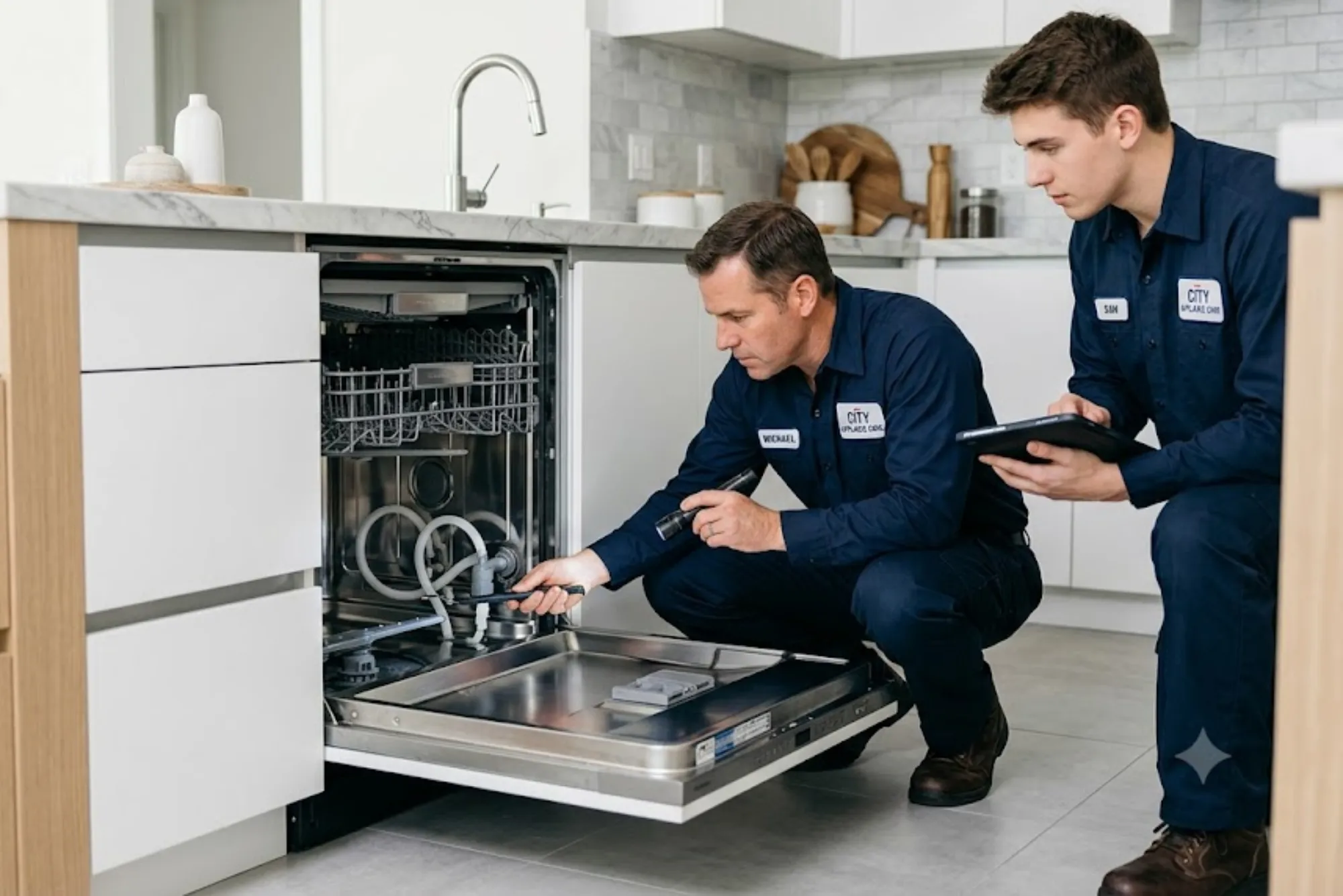
A Dishwasher System Inspection is an essential step in maintaining a reliable and efficient kitchen appliance. Many homeowners only call for repairs when their dishwasher completely stops working, but early inspection can identify hidden problems before they become expensive failures.
A professional inspection evaluates different dishwasher components, including water supply systems, drainage performance, electrical connections, spray arms, filters, racks, and internal mechanisms. By checking these areas regularly, homeowners can improve cleaning performance, reduce energy waste, and extend the life of their appliance.
Modern dishwashers contain several interconnected systems that must work together properly. A small issue with water pressure, drainage, or a damaged component can affect the entire washing cycle. That is why expert inspection plays an important role in preventing unexpected breakdowns.
Why Dishwasher System Inspection Is Important
Regular dishwasher inspections help identify problems that are not always visible during daily use. A dishwasher may appear functional while slowly developing issues that reduce efficiency.
Professional technicians usually examine the complete appliance system to ensure every part is operating correctly. This approach helps prevent repeated repairs and improves overall appliance reliability.
- Detects hidden mechanical and electrical problems
- Improves washing and drying performance
- Helps prevent water leakage issues
- Reduces unnecessary repair costs
- Extends dishwasher lifespan
- Improves energy and water efficiency
What Experts Check During a Dishwasher System Inspection
A complete inspection involves more than checking whether the dishwasher turns on. Professional technicians review multiple components to understand the actual condition of the appliance.
1. Water Supply and Inlet System
The water inlet system controls how water enters the dishwasher. During inspection, technicians check the inlet valve, connections, and water pressure to ensure proper operation.
Problems in this area can cause issues such as incomplete cleaning, longer cycles, or a dishwasher that does not fill correctly.
2. Drainage and Filter Inspection
A dishwasher needs an effective drainage system to remove dirty water after every cycle. Experts inspect filters, drain pumps, and hoses for blockages or performance problems.
A clogged filter or damaged drainage component can result in standing water, unpleasant odors, and poor cleaning results.
3. Spray Arm and Cleaning Performance Check
Spray arms distribute water throughout the dishwasher during operation. If they are blocked or damaged, dishes may remain dirty even after a complete cycle.
Technicians check spray arm movement, water distribution, and internal cleanliness to maintain effective washing performance.
4. Electrical and Control System Testing
Modern dishwashers depend on electronic controls and sensors. Inspection includes checking control panels, wiring connections, and operational settings.
Electrical problems can create safety risks and may prevent the dishwasher from completing normal cycles.
Common Dishwasher Problems Found During Inspection
A professional inspection often reveals common issues before they become major repairs. Some frequently detected problems include:
- Water not draining properly
- Dishwasher making unusual noises
- Weak cleaning performance
- Water leakage around the appliance
- Heating problems during drying cycles
- Broken racks or damaged internal parts
For homeowners who need professional solutions, experienced technicians can provide support through services such as dishwasher repair guidance and maintenance solutions.
Dishwasher Inspection vs Regular Repair: Understanding the Difference
| Feature | Dishwasher System Inspection | Regular Repair |
|---|---|---|
| Main Purpose | Identify current and potential problems | Fix an existing malfunction |
| Timing | Performed before major failure | Usually required after a problem appears |
| Cost Impact | Helps reduce future repair expenses | May involve higher costs if damage increases |
| Focus | Complete appliance evaluation | Specific damaged component repair |
How Professional Dishwasher System Inspection Improves Appliance Performance
A professional Dishwasher System Inspection does more than identify faults. It helps improve the overall performance of the appliance by ensuring every component works together correctly.
When internal parts are clean, properly connected, and functioning efficiently, the dishwasher can complete cycles faster and deliver better cleaning results. Regular inspection also helps maintain consistent performance throughout the appliance’s lifespan.
Professional technicians understand how different dishwasher systems interact. They can identify whether a problem comes from water supply, electrical controls, mechanical parts, or incorrect usage patterns.
Benefits of Professional Dishwasher Inspection
- Improved washing efficiency
- Early detection of expensive problems
- Reduced chances of sudden breakdowns
- Better water and energy usage
- Longer appliance operating life
- Safer dishwasher operation
Signs Your Dishwasher Needs a System Inspection
Many homeowners ignore early warning signs because the dishwasher still works. However, small performance changes often indicate developing problems that require attention.
You should consider scheduling an inspection if you notice any of the following signs:
- Dishes remain dirty after a complete washing cycle
- Water remains inside the dishwasher after operation
- The appliance produces unusual sounds
- Cleaning cycles take longer than normal
- There are water leaks around the dishwasher
- The dishwasher does not dry dishes properly
- Error codes appear frequently
Addressing these issues early can prevent larger failures and reduce the need for emergency repairs. Professional services such as dishwasher repair specialists can help diagnose and resolve system-related concerns effectively.
How Often Should You Schedule a Dishwasher System Inspection?
The ideal inspection frequency depends on appliance age, usage level, and maintenance history. A dishwasher used every day in a busy household may require more frequent checks compared to one used occasionally.
Generally, homeowners should consider inspection as part of regular appliance maintenance rather than waiting for a failure.
- New Dishwashers: Periodic checks help ensure proper installation and operation.
- Older Dishwashers: Regular inspections help identify wear and aging components.
- Frequently Used Appliances: More frequent evaluations can prevent unexpected downtime.
Simple Maintenance Tips After a Dishwasher Inspection
Although professional inspection is important, homeowners can also follow simple maintenance practices to keep their dishwasher working efficiently.
- Clean the dishwasher filter regularly
- Avoid overloading racks
- Remove food particles before loading dishes
- Check spray arms for blockages
- Use suitable dishwasher detergent
- Inspect door seals for damage
These small steps support professional maintenance and help prevent common dishwasher performance problems.
Why Choose Professional Dishwasher Inspection Services?
Dishwashers contain complex mechanical and electrical systems that require proper knowledge for accurate diagnosis. Attempting repairs without experience may create additional problems or damage important components.
Professional technicians use a systematic approach to inspect each part and identify the actual cause of an issue. This prevents unnecessary part replacements and ensures the correct solution is applied.
For complex appliance issues, services like dishwasher performance repair solutions can help restore proper operation and improve efficiency.
Frequently Asked Questions About Dishwasher System Inspection
1. What is included in a dishwasher system inspection?
A dishwasher system inspection usually includes checking water supply, drainage, electrical connections, filters, spray arms, control systems, and internal components to ensure proper operation.
2. How long does a dishwasher inspection take?
The inspection time depends on the dishwasher model and condition. A professional technician can usually complete a detailed evaluation within a reasonable service period.
3. Can inspection prevent dishwasher breakdowns?
Yes. Regular inspections help identify early warning signs and minor issues before they develop into major appliance failures.
4. Why is my dishwasher running but not cleaning properly?
Poor cleaning performance can be caused by blocked spray arms, dirty filters, low water pressure, drainage problems, or internal component issues. An inspection can help identify the exact cause.
5. Should I inspect my dishwasher even if it works normally?
Yes. A dishwasher can develop hidden problems before visible symptoms appear. Routine inspections help maintain efficiency and reduce unexpected repair needs.
Conclusion
A professional Dishwasher System Inspection is one of the best ways to maintain appliance reliability, improve performance, and avoid costly repairs. Instead of waiting for complete failure, regular evaluations help identify problems early and keep your dishwasher operating efficiently.
From checking water systems and drainage components to testing electrical controls and cleaning performance, a complete inspection provides valuable information about the condition of your appliance.
Homeowners who prioritize maintenance can enjoy better cleaning results, fewer interruptions, and a longer-lasting dishwasher. Whether your appliance shows warning signs or you simply want preventive care, a professional inspection is a smart investment for long-term performance.