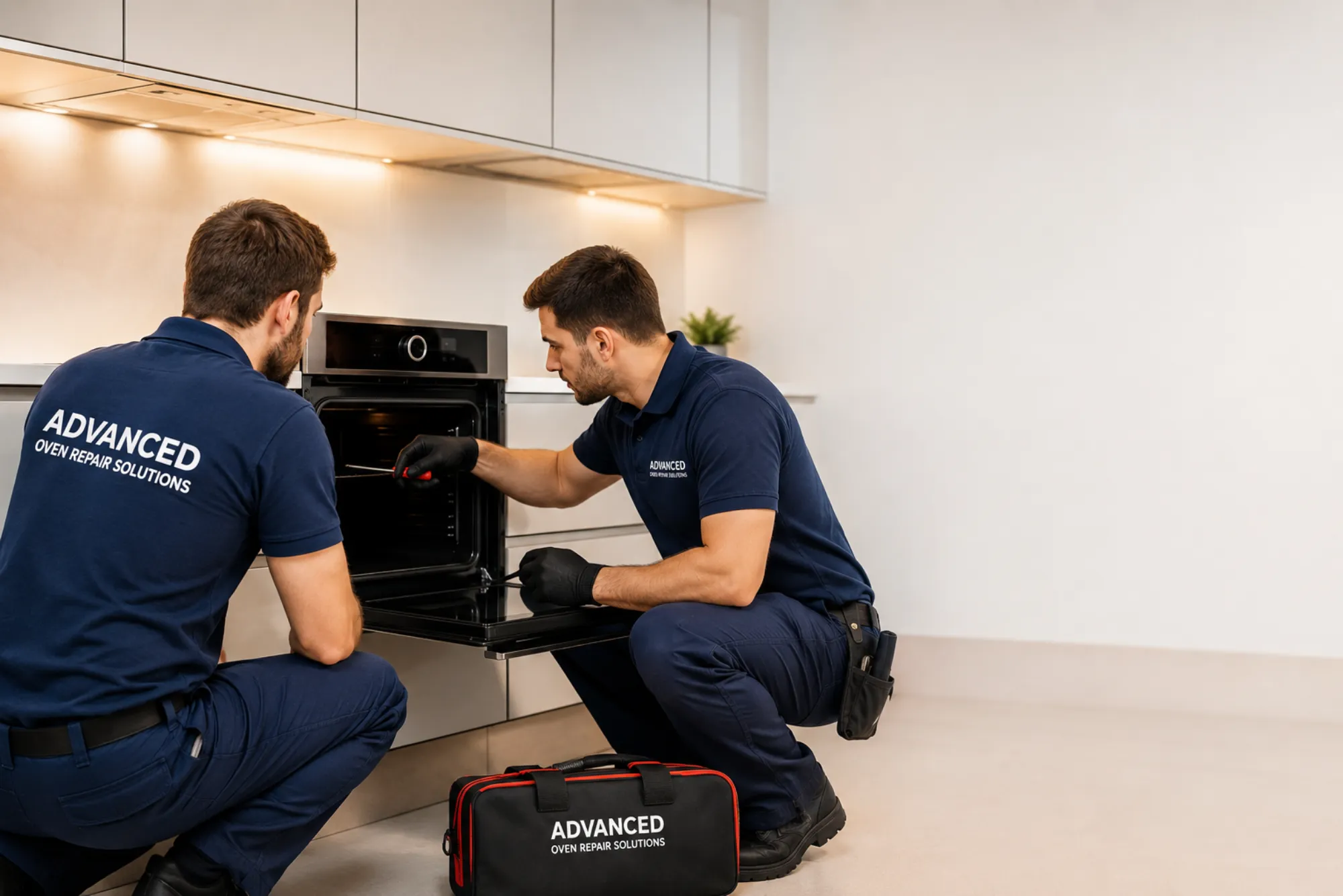
The modern oven is one of the most important appliances in any kitchen. Whether used for daily family meals or high-volume food preparation, consistent heating and reliable performance are essential. However, even high-quality ovens can develop problems over time, leading to uneven cooking, temperature fluctuations, longer cooking cycles, and increased energy consumption.
Understanding advanced oven repair solutions helps homeowners and business operators identify issues early and maintain peak appliance performance. From thermostat calibration and airflow optimization to electrical diagnostics and component replacement, professional repair strategies can significantly extend the lifespan of an oven while restoring efficiency and cooking precision.
As kitchen appliances become increasingly sophisticated, proper diagnosis and targeted repairs have become more important than ever. Addressing minor faults before they develop into major breakdowns helps avoid unexpected downtime and costly replacements.
Why Modern Ovens Require Advanced Repair Approaches
Today’s ovens incorporate multiple electronic and mechanical systems working together. Heating elements, sensors, thermostats, control boards, fans, door seals, and electrical connections all influence overall performance.
When one component begins to fail, it often affects the entire cooking process. A simple temperature sensor fault can result in undercooked meals, while airflow problems may create uneven heating zones throughout the oven cavity.
Professional repair specialists use systematic diagnostic procedures to identify root causes rather than merely treating visible symptoms. This approach improves reliability and prevents recurring issues.

Common Oven Problems That Require Professional Attention
Uneven Cooking Results
One of the most frequent complaints among oven users is inconsistent cooking. Food may burn on one side while remaining undercooked on another.
Potential causes include:
- Faulty heating elements
- Blocked airflow pathways
- Damaged convection fans
- Incorrect thermostat calibration
- Worn door seals
Many homeowners experiencing these issues benefit from specialized services focused on oven cooking performance optimization, which address both temperature consistency and energy efficiency.
Temperature Inaccuracy
Temperature inaccuracies often go unnoticed until cooking quality declines significantly. An oven displaying 180°C may actually be operating at a much lower or higher temperature.
Professional technicians typically test:
- Thermostat performance
- Temperature sensors
- Control board communication
- Heating element output
Accurate calibration ensures recipes cook correctly and consistently.
Slow Preheating
Extended preheating times can indicate failing elements, weakened electrical connections, or control system malfunctions. Ignoring slow preheating often leads to higher energy consumption and eventual component failure.
Door Seal and Heat Retention Problems
Even minor gaps around an oven door can cause significant heat loss. This forces heating elements to work harder and increases operating costs.
Signs of seal-related issues include:
- Hot exterior surfaces
- Longer cooking times
- Excessive energy usage
- Visible wear around the door gasket
Advanced Diagnostic Techniques Used in Oven Repair
Modern repair methods rely on detailed testing procedures rather than simple visual inspections.
| Diagnostic Area | Purpose | Common Findings |
|---|---|---|
| Thermostat Testing | Verify temperature accuracy | Calibration drift |
| Electrical Inspection | Check power delivery | Loose wiring or damaged terminals |
| Sensor Evaluation | Measure temperature feedback | Faulty sensor readings |
| Airflow Analysis | Assess heat distribution | Blocked vents or fan issues |
| Control Board Diagnostics | Analyze electronic performance | Circuit failures |
These advanced assessments allow technicians to identify hidden faults that may not be obvious during routine inspections.
The Role of Airflow in Oven Performance
Airflow is often overlooked during oven maintenance. However, proper circulation plays a major role in maintaining uniform temperatures.
When airflow becomes restricted, hot and cold zones develop inside the oven cavity. This results in inconsistent cooking, particularly when preparing multiple dishes simultaneously.
Professional services specializing in oven internal airflow tuning focus on restoring balanced heat circulation, improving both cooking quality and operational efficiency.
Correct airflow management also reduces stress on heating components and minimizes energy waste.
Electrical Components and Oven Reliability
Electrical systems form the foundation of every modern oven. Damaged wiring, worn connectors, or faulty control boards can affect performance in numerous ways.
Common electrical symptoms include:
- Intermittent shutdowns
- Display errors
- Heating failures
- Power fluctuations
- Unexpected temperature changes
Many appliance faults originate from wiring problems that require professional evaluation. Comprehensive wiring repair services help ensure safe and stable operation while preventing more serious electrical failures.
Thermostat Repair and Calibration
The thermostat serves as the control center for oven temperature regulation. Over time, calibration can drift due to normal wear, electrical issues, or prolonged exposure to heat.
When thermostat accuracy declines, users may notice:
- Overcooked meals
- Undercooked food
- Inconsistent baking results
- Extended cooking times
Professional calibration and repair procedures restore accurate temperature management, improving cooking consistency while reducing energy usage.
For ovens experiencing persistent temperature issues, dedicated oven thermostat repair solutions can address sensor faults, calibration errors, and thermostat component failures.
Commercial Oven Repair Challenges
Commercial kitchens place significantly greater demands on oven systems than residential environments. Continuous operation accelerates wear and increases the likelihood of component failures.
Commercial oven repair typically involves:
- High-capacity heating systems
- Advanced temperature controls
- Multiple cooking chambers
- Heavy-duty airflow systems
- Complex electrical circuits
Because downtime directly impacts business operations, rapid diagnosis and targeted repairs are critical. Preventive maintenance programs are particularly valuable for commercial facilities that depend on uninterrupted kitchen performance.
Preventive Maintenance Strategies
Many oven failures can be avoided through routine maintenance and early intervention.
Regular Cleaning
Grease accumulation restricts airflow, damages components, and increases fire risks. Scheduled cleaning helps maintain optimal performance.
Door Seal Inspection
Checking gaskets and seals regularly prevents heat loss and improves cooking efficiency.
Temperature Verification
Periodic temperature testing can identify calibration problems before they affect food quality.
Electrical Safety Checks
Routine inspections of wiring and connections help prevent unexpected failures and improve appliance safety.
When Repair Is Better Than Replacement
Many homeowners assume that oven performance issues automatically require appliance replacement. In reality, professional repairs are often more cost-effective.
Repair is typically the better option when:
- The appliance is structurally sound
- The fault is limited to specific components
- Replacement costs are significantly higher
- The oven remains energy efficient after repair
Modern diagnostic tools allow technicians to accurately evaluate repair feasibility and recommend the most practical solution.
The Importance of Professional Troubleshooting
DIY repairs may appear cost-effective initially, but ovens contain high-voltage electrical systems and sensitive electronic components. Incorrect repairs can create safety hazards and lead to additional damage.
Professional troubleshooting focuses on identifying the actual source of failure rather than replacing parts through trial and error. This approach reduces repair costs, minimizes downtime, and improves long-term reliability.
Comprehensive diagnostic services help determine whether issues involve sensors, thermostats, heating elements, control boards, airflow systems, or electrical connections.
Future Trends in Oven Repair Technology
The appliance repair industry continues to evolve alongside advances in smart kitchen technology. Many modern ovens now include digital diagnostics, sensor monitoring, and connected control systems.
Future repair solutions are expected to incorporate:
- Remote diagnostics
- Predictive maintenance analytics
- Enhanced sensor technologies
- AI-assisted troubleshooting
- Improved energy monitoring systems
These innovations will enable faster fault detection and more precise repair strategies, improving appliance reliability while reducing service disruptions.
Conclusion
Advanced oven repair solutions play a critical role in maintaining kitchen efficiency, cooking accuracy, and appliance longevity. From thermostat calibration and airflow optimization to electrical diagnostics and preventive maintenance, modern repair techniques provide targeted solutions for a wide range of performance issues.
Whether dealing with uneven cooking, temperature fluctuations, slow preheating, or electrical faults, timely professional intervention helps restore reliability while avoiding unnecessary replacement costs. By investing in proper maintenance and expert diagnostics, homeowners and businesses can ensure their ovens continue delivering consistent, efficient performance for years to come.
Related Reading: Quick Washer Repair Solutions
Related Reading: Energy-Efficient AC Repair Solutions
Related Reading: Oven Surface Burner Spark Electrode
Related Reading: Oven Repair Cost and Why It Matters — full guide
Related Reading: Oven Range Repair
