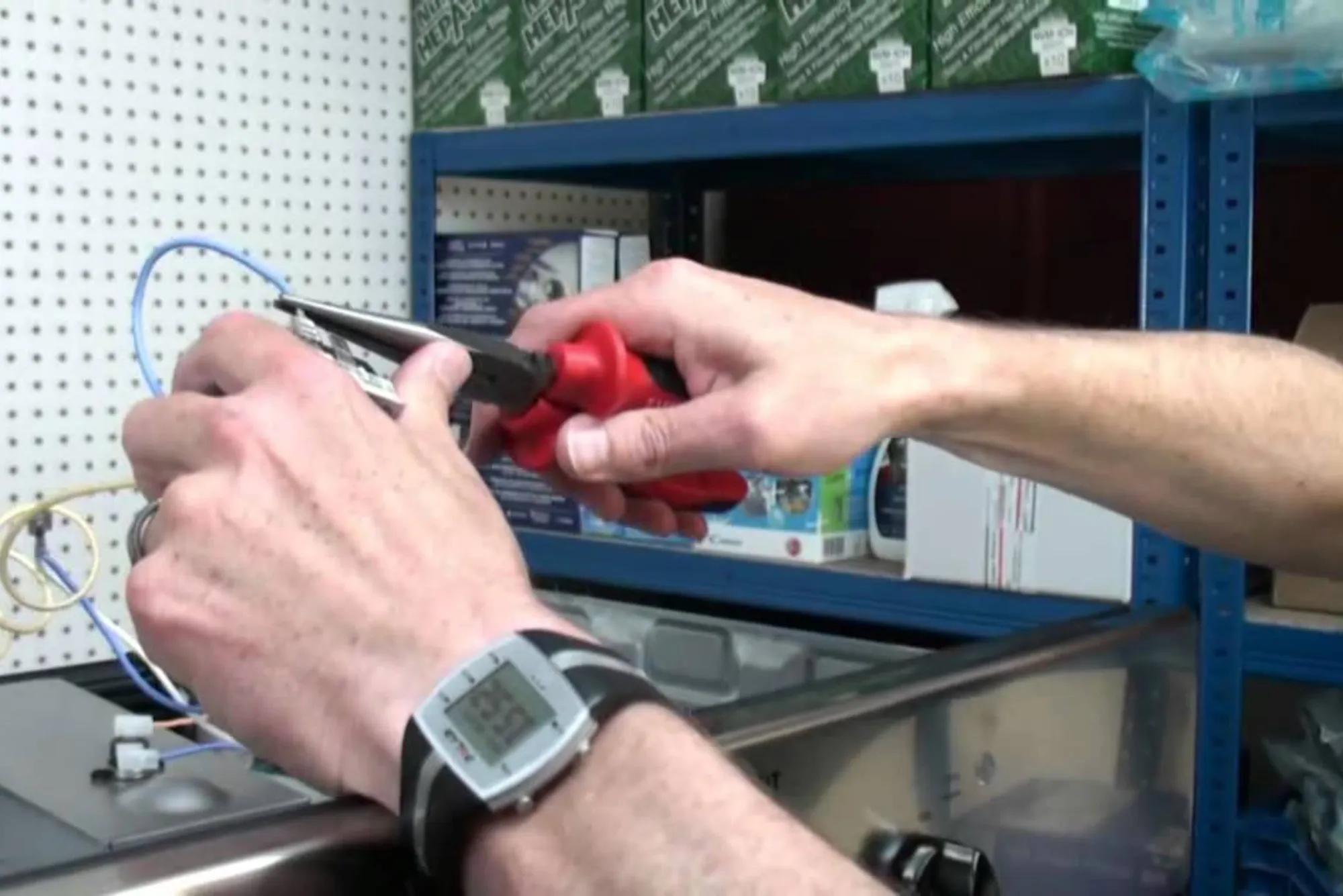
An oven is one of the most essential appliances in any kitchen, and its performance depends heavily on accurate temperature control. When an oven starts overheating, underheating, or cooking food unevenly, the most common cause is a faulty thermostat. Oven thermostat repair becomes necessary to restore proper functionality and ensure consistent cooking results. Without a properly working thermostat, even the best recipes can fail, leading to frustration and wasted food.
The thermostat in an oven is responsible for regulating temperature by turning the heating element on and off. It maintains the desired heat level inside the oven cavity. When it malfunctions, the temperature inside the oven may not match the set level, causing cooking problems. Understanding how thermostat issues occur and how they can be repaired is important for maintaining kitchen efficiency and appliance longevity.
Common Signs of a Faulty Oven Thermostat
One of the first signs that indicates the need for Oven Thermostat Repair is uneven cooking. You may notice that food is burnt on the outside but undercooked inside, or that baking results are inconsistent. This usually happens because the thermostat fails to maintain a steady temperature.
Another common symptom is incorrect temperature readings. If you set your oven to a specific temperature but it feels too hot or too cold, the thermostat may not be working correctly. In some cases, the oven may not heat up at all, while in others, it may overheat beyond the selected setting. These issues not only affect cooking but can also become safety hazards if ignored.
Longer cooking times are also a warning sign. When the thermostat is faulty, the oven struggles to maintain proper heat, forcing you to cook food for longer periods. This not only wastes time but also increases energy consumption.
Causes Behind Thermostat Problems
Several factors can lead to thermostat failure in ovens. One of the main causes is regular wear and tear. Over time, internal components of the thermostat can degrade due to constant exposure to high temperatures. This natural aging process eventually affects its accuracy and performance.

Another reason is electrical faults. Loose connections, damaged wiring, or power fluctuations can interfere with the thermostat’s functioning. In modern ovens, electronic thermostats rely on sensors and circuit boards, which can also develop faults over time.
Grease buildup and dirt accumulation inside the oven can also impact the thermostat. When grime collects around the sensor or internal components, it may prevent the thermostat from reading the correct temperature. Regular cleaning can help avoid this issue.
Importance of Timely Oven Thermostat Repair
Delaying oven thermostat repair can lead to bigger problems. A faulty thermostat not only affects cooking quality but also puts additional strain on other components like heating elements. This can lead to more expensive repairs in the future.
Timely repair ensures energy efficiency. When an oven operates at incorrect temperatures, it consumes more electricity or gas than necessary. Fixing the thermostat helps maintain optimal energy usage, reducing utility bills.
Safety is another critical reason to address thermostat issues promptly. An overheating oven can pose a fire risk, especially if left unattended. Ensuring that the thermostat functions properly reduces such risks and keeps your kitchen safe.
How Oven Thermostat Repair Works
The process of Oven Thermostat Repair typically begins with diagnosis. A technician checks the oven temperature using a thermometer to compare actual heat levels with the set temperature. This helps determine whether the thermostat is malfunctioning.
In some cases, recalibration may solve the issue. Many ovens allow manual adjustment of the thermostat to correct minor temperature differences. This is a simple fix that can restore accuracy without replacing parts.
If recalibration does not work, the thermostat may need to be replaced. This involves disconnecting the faulty component and installing a new one compatible with the oven model. Professional technicians ensure proper installation and testing to guarantee reliable performance.
DIY vs Professional Repair
Some homeowners attempt oven thermostat repair themselves, especially when dealing with minor issues. Cleaning the oven, checking connections, or recalibrating the thermostat are tasks that can be done without professional help. However, working with electrical components requires caution.
Professional repair services are recommended for complex problems. Technicians have the expertise and tools to handle wiring, sensors, and internal components safely. They can also identify hidden issues that may not be visible to untrained individuals.
Choosing professional repair ensures long-term reliability. While DIY fixes may provide temporary solutions, expert repair addresses the root cause of the problem and prevents recurring issues.
Preventing Thermostat Issues
Regular maintenance plays a key role in preventing thermostat problems. Keeping the oven clean reduces the risk of grease and dirt interfering with the thermostat. Wiping spills and avoiding buildup ensures accurate temperature readings.
Using the oven correctly also helps extend thermostat life. Avoid slamming the oven door, as this can damage internal components. Additionally, preheating the oven properly and not overloading it with heavy dishes can reduce strain on the thermostat.
Periodic inspection is another effective preventive measure. Checking the oven’s performance and addressing minor issues early can prevent major repairs later.
Cost of Oven Thermostat Repair
The cost of oven thermostat repair varies depending on the type of oven and the extent of the problem. Simple recalibration is usually inexpensive, while replacing the thermostat may cost more due to parts and labor.
Despite the cost, repair is often more economical than replacing the entire oven. Fixing the thermostat restores the appliance’s functionality and extends its lifespan, making it a worthwhile investment.
Modern Ovens and Advanced Thermostat Systems
Modern ovens come with advanced thermostat systems that use digital sensors and electronic controls. These systems offer greater accuracy but can be more complex to repair. When issues arise, specialized knowledge is required to diagnose and fix the problem.
Smart ovens may also include features like temperature monitoring through mobile apps. While these technologies improve convenience, they also increase the importance of professional repair services when something goes wrong.
When to Replace Instead of Repair
In some cases, replacing the oven may be a better option than repairing the thermostat. If the appliance is very old and frequently breaks down, investing in a new oven can be more cost-effective.
However, for relatively new ovens, repairing the thermostat is usually the best choice. It restores performance without the high cost of replacement and allows you to continue using your appliance efficiently.
Long-Term Benefits of Proper Repair
Fixing thermostat issues ensures consistent cooking results. Whether baking, roasting, or grilling, accurate temperature control is essential for achieving the desired outcome. Oven thermostat repair helps maintain this consistency.
It also improves energy efficiency, reducing unnecessary power consumption. A properly functioning oven operates within the set temperature range, minimizing waste and lowering energy bills.
Another benefit is extended appliance lifespan. Addressing issues early prevents further damage to internal components, allowing the oven to function effectively for many years.
Oven thermostat repair is an essential service for maintaining the performance and safety of your appliance. From uneven cooking to overheating problems, thermostat issues can disrupt daily kitchen activities and lead to higher energy costs. Understanding the causes, recognizing the signs, and taking timely action can prevent major complications.
Related Reading: AC Thermostat Not Working
Related Reading: Oven Repair Cost and Why It Matters — full guide
Related Reading: Oven Range Repair — full guide
