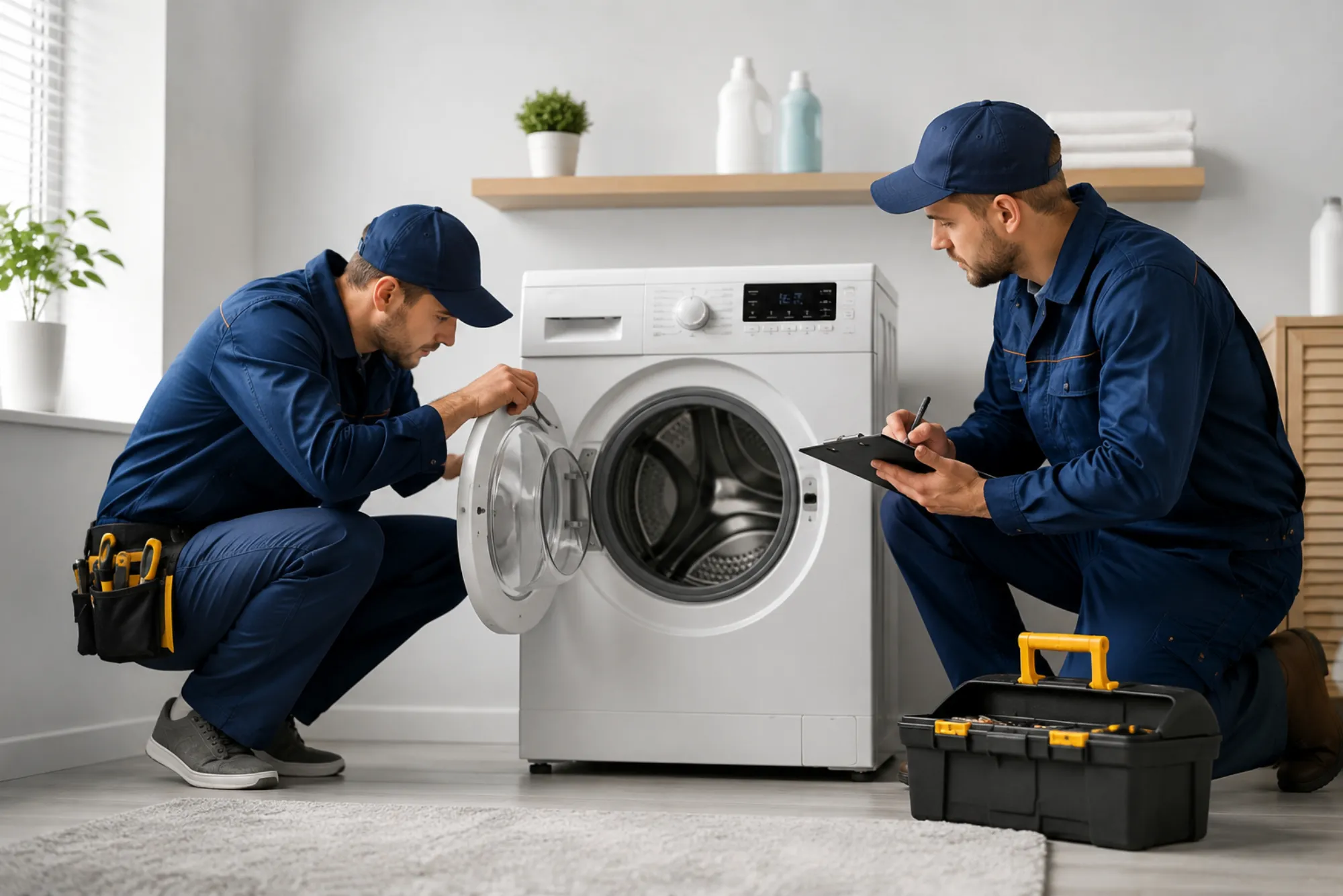
Washing machine breakdowns rarely happen at a convenient time. A machine that suddenly stops working, refuses to spin, leaks water, or makes unusual noises can disrupt daily life immediately. Since most households depend heavily on this appliance, understanding practical washing machine repair solutions becomes essential for maintaining smooth routines and avoiding unnecessary replacement costs.
Modern washing machines are built with advanced electronics, sensors, and automated washing programs. While these features improve performance and efficiency, they also make troubleshooting more complex. This detailed guide explains common faults, advanced repair solutions, preventive care techniques, and professional service options to help restore your appliance’s performance effectively.
Understanding How Washing Machines Work
Before exploring repair solutions, it helps to understand how a washing machine functions. Every machine operates through a combination of mechanical movement, water flow control, and electronic programming. The motor rotates the drum, the inlet valve controls water supply, and the drain pump removes dirty water after each cycle.
When even one of these systems fails, the entire washing process gets affected. Electrical faults, mechanical wear, or sensor errors can interrupt normal operation. This is why proper diagnosis is the foundation of effective repair.
Major Signs Your Washing Machine Needs Repair
Washing machines usually give warning signs before a complete breakdown. Recognizing these symptoms early can save both time and repair costs.
Common indicators include delayed cycle completion, excessive vibration, incomplete water drainage, and error codes on the display panel. In some cases, users may also notice a burning smell or irregular drum movement, which indicates internal component stress.

Performance-Related Symptoms
When washing results become unsatisfactory, such as detergent residue on clothes or improper rinsing, it often indicates water flow or drum rotation issues. These problems should not be ignored as they may worsen over time.
Mechanical Warning Signs
Grinding noises, loud banging sounds, or uneven spinning usually point to worn-out bearings, loose drum mounts, or foreign objects stuck inside the system.
Common Causes Behind Washing Machine Failures
Understanding the root causes helps in applying the right washing machine repair solutions instead of temporary fixes. Several internal and external factors contribute to machine breakdowns.
1. Electrical Fluctuations
Voltage instability can damage sensitive electronic components such as the control board and sensors. Over time, repeated fluctuations reduce the efficiency of the machine.
2. Water Supply Issues
Low water pressure, blocked inlet filters, or damaged valves often lead to incomplete washing cycles or extended operation times.
3. Overloading the Drum
Exceeding load capacity puts excessive strain on the motor and suspension system, leading to long-term mechanical damage.
4. Lack of Maintenance
Neglecting routine cleaning of filters and drainage systems results in clogging and reduced performance.
Advanced Washing Machine Repair Solutions
Professional technicians use advanced diagnostic tools to identify faults at both mechanical and electronic levels. Instead of replacing the entire machine, targeted repairs are performed to restore functionality efficiently.
For reliable service support, homeowners often depend on trusted providers such as washing machine repair services that specialize in handling all major brands and models with precision.
Motor Repair and Replacement
The motor is responsible for drum rotation and overall washing performance. When it fails, the machine becomes unusable. Repair specialists inspect wiring, carbon brushes, and rotor components before deciding whether repair or replacement is needed.
Drainage System Restoration
Blocked pumps and clogged hoses are among the most frequent issues. Technicians clean or replace damaged components to ensure smooth water flow during cycles.
Electronic Control Board Repair
Modern machines rely heavily on circuit boards for operation control. Faulty boards can cause cycle interruptions or random shutdowns. Skilled repair ensures safe restoration without affecting other systems.
Sensor and Timer Fixes
Sensors regulate water level, temperature, and spin speed. When they malfunction, washing cycles become inconsistent. Proper calibration or replacement resolves these issues effectively.
Quick Troubleshooting Before Calling a Technician
Some washing machine issues can be checked at home before requesting professional help. These simple steps help identify minor faults quickly.
- Ensure the power socket and switch are functioning correctly.
- Check inlet and outlet pipes for bends or blockages.
- Clean lint filters and detergent trays regularly.
- Restart the machine after unplugging it for a few minutes.
If the machine still fails to operate properly after these steps, professional inspection is recommended.
Washing Machine Error Codes and What They Mean
Many modern machines display error codes to indicate specific faults. While codes vary by brand, they generally point to similar issues such as drainage failure, door lock problems, or water supply errors.
Ignoring these codes can lead to more serious damage. It is always better to consult a technician when error messages persist.
Professional Repair vs Temporary Fixes
Temporary fixes may solve minor issues but rarely address the root cause. Professional repair ensures long-term performance and safety.
Trusted service providers like washer fixing experts offer complete inspection and repair solutions that improve efficiency and reduce future breakdown risks.
Emergency Washing Machine Repair Solutions
Sudden breakdowns often require urgent attention, especially when water leakage or electrical issues are involved. Emergency repair services focus on quick diagnosis and immediate resolution to minimize disruption.
These services are particularly useful in households with heavy daily laundry needs, ensuring the machine is restored as quickly as possible.
For urgent breakdowns, users often choose quick washer repair solutions that provide fast response and on-site repairs.
Preventive Maintenance for Better Performance
Preventive care is the most effective way to extend the lifespan of a washing machine. Regular maintenance reduces the risk of breakdowns and improves efficiency.
Cleaning internal components, avoiding overloading, and using the correct detergent type all contribute to better performance. It is also important to keep the machine in a dry and stable environment to avoid rust and vibration issues.
Routine servicing every few months helps detect hidden faults early and prevents expensive repairs later.
Cost Factors in Washing Machine Repairs
Repair costs vary depending on the type of fault, machine model, and required parts. Electrical repairs are usually more technical, while mechanical fixes depend on component availability.
In many cases, repairing a machine is significantly more cost-effective than replacing it. Professional diagnosis helps determine whether repair or replacement is the better option.
Expert Tips to Avoid Frequent Breakdowns
Small habits can significantly improve washing machine durability. Always distribute clothes evenly inside the drum to avoid imbalance. Avoid running back-to-back cycles without breaks, as this overheats the motor.
Additionally, using stabilizers in areas with voltage fluctuations can protect electrical components. Keeping the door slightly open after washing prevents moisture buildup and mold formation.
Importance of Professional Washing Machine Repair Solutions
Professional repair services ensure safety, accuracy, and long-term reliability. Technicians are trained to handle complex issues that cannot be resolved through basic troubleshooting.
They also use genuine spare parts and follow proper repair standards, which ensures that the machine continues to perform efficiently for years.
Conclusion
Washing machine repair solutions are essential for maintaining appliance efficiency and avoiding unexpected breakdowns. From basic troubleshooting to advanced technical repairs, understanding how your machine works helps you make better maintenance decisions.
While minor issues can sometimes be resolved at home, professional repair remains the most reliable option for long-term performance. Regular maintenance, timely inspections, and expert servicing ensure that your washing machine continues to operate smoothly and efficiently for years.
Frequently Asked Questions (FAQs)
1. Why does my washing machine stop mid-cycle?
This usually happens due to power supply issues, faulty sensors, or drainage blockages.
2. How do I know if my washing machine motor is damaged?
If the drum does not rotate or produces burning smells, the motor may be faulty.
3. Is it worth repairing an old washing machine?
Yes, if the repair cost is lower than replacement and the machine is structurally sound.
4. How often should I service my washing machine?
Regular servicing every 6–12 months helps maintain performance and prevent breakdowns.
Related Reading: Energy-Efficient AC Repair Solutions — full guide
Related Reading: LG Washing Machine Repair Dubai — full guide
Related Reading: Causes of Washing Machine Leakage — full guide
