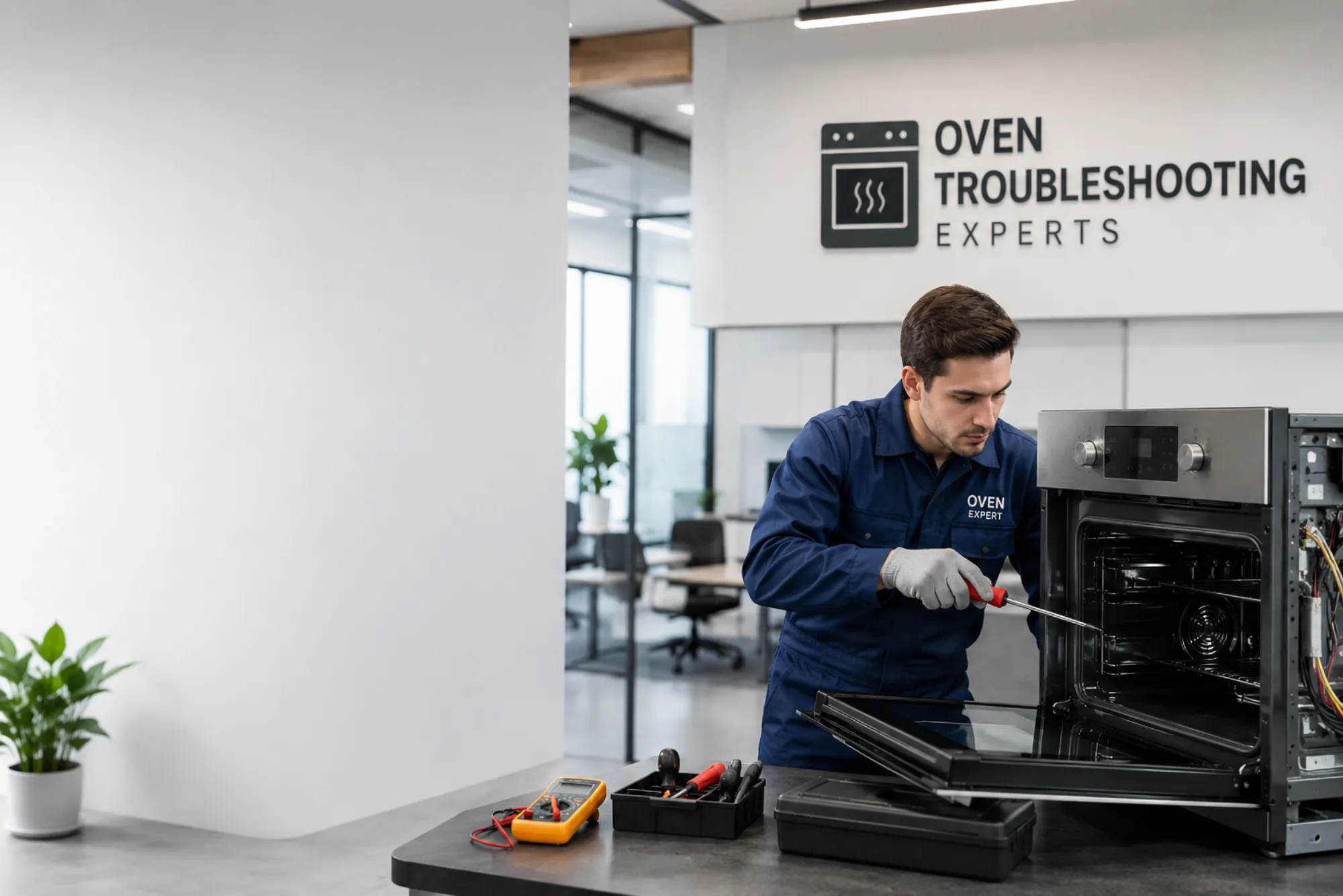
In today’s kitchens, the oven is more than just an appliance—it is the quiet engine behind family meals, restaurant consistency, and daily comfort. Yet when it begins to fail, the disruption is immediate. Uneven baking, inconsistent temperatures, or complete heating failure can turn routine cooking into frustration. This is where oven troubleshooting experts play a critical role, combining technical knowledge with practical experience to restore performance before small issues become expensive replacements.
Across rapidly growing cities like Abu Dhabi and Dubai, professional repair services are becoming essential not only for residential kitchens but also for commercial environments where downtime directly affects business operations. Understanding how ovens fail—and how experts diagnose them—can help homeowners make smarter, faster decisions when problems arise.
Why Ovens Fail: The Hidden Mechanics Behind Common Problems
Ovens may appear simple from the outside, but internally they rely on a precise balance of electrical components, sensors, heating elements, and thermostatic controls. Even a minor fault in one part can disrupt the entire system.
One of the most common issues is inconsistent heating. This often traces back to faulty thermostats or worn-out heating elements. In such cases, specialized services like oven thermostat repair solutions become essential for restoring accuracy and temperature balance.
Another frequent problem involves electrical instability. Faulty wiring or power fluctuations can cause ovens to shut down unexpectedly or heat unevenly. These issues often require trained technicians who understand appliance-level electrical diagnostics rather than general handyman fixes.
Signs You Need Oven Troubleshooting Experts Immediately
Many oven problems begin subtly before becoming fully disruptive. Recognizing early warning signs can prevent costly repairs or replacements. Professional technicians often report that most major breakdowns could have been avoided if early symptoms were addressed in time.

- Food cooking unevenly or taking longer than usual
- Burning smell or unusual heat patterns
- Oven not reaching the correct temperature
- Display panel errors or inconsistent controls
- Door not sealing properly, causing heat leakage
When these signs appear, delaying repair can worsen internal damage. At this stage, experienced technicians offering cooking range and oven repair services can diagnose the root cause before it escalates into a full system failure.
How Oven Troubleshooting Experts Diagnose the Problem
Unlike basic repair attempts, professional diagnostics follow a structured method. Experts do not rely on guesswork—they use testing equipment, component inspection, and performance analysis to identify faults accurately.
The process typically begins with temperature calibration tests, followed by inspection of heating elements and thermostat behavior. If electrical inconsistencies are detected, technicians may trace wiring faults or control board malfunctions.
In modern kitchens, especially those with built-in appliances, diagnostics require careful handling to avoid damaging surrounding cabinetry or connected systems. This is why homeowners increasingly prefer certified appliance repair specialists instead of general repair attempts.
When DIY Fixes Stop Working: The Turning Point
There is a growing trend of homeowners attempting DIY oven repairs using online tutorials. While minor cleaning or resetting functions can be helpful, internal faults require professional expertise. Misdiagnosing the issue often leads to further damage, especially in electrical or gas-connected systems.
Professional services such as appliance repair experts provide structured inspection processes that eliminate guesswork and ensure safety compliance.
For example, replacing a heating element without testing the thermostat first may result in repeated failure. Similarly, ignoring ventilation issues can lead to overheating and long-term performance degradation.
Professional Repair Process: What Happens Behind the Scenes
When you call oven troubleshooting experts, the process is far more detailed than a simple part replacement. It usually follows a multi-step workflow designed to restore both efficiency and safety.
Technicians begin with a full system inspection, followed by targeted component testing. Once the issue is identified, they proceed with calibrated replacement or repair. Finally, performance testing ensures that heat distribution and timing functions are restored accurately.
In some cases, deeper issues such as insulation damage or door sealing faults require additional repair. Services like oven door repair and condensation solutions ensure heat retention efficiency is fully restored.
Preventive Maintenance: The Secret to Long-Lasting Ovens
While repairs solve immediate issues, prevention remains the most cost-effective approach. Regular maintenance significantly extends the lifespan of ovens and reduces unexpected breakdowns.
Experts recommend the following preventive practices:
- Regular cleaning of heating elements and interior surfaces
- Checking door seals for heat leakage
- Monitoring temperature consistency during cooking
- Avoiding overloading that strains heating performance
Routine servicing not only improves performance but also ensures energy efficiency. According to the U.S. Department of Energy, properly maintained appliances consume significantly less energy and perform more consistently over time.
Commercial Kitchens: Why Expert Repair Matters More
In commercial environments, oven reliability is not optional—it is essential. Restaurants, bakeries, and catering services depend on consistent cooking output. A single oven failure can disrupt entire operations and impact customer satisfaction.
This is where specialized services like commercial oven repair solutions in Abu Dhabi become critical. These services focus on high-capacity equipment, ensuring faster diagnostics and minimal downtime.
Commercial-grade ovens also require more advanced troubleshooting due to heavier usage cycles and complex heating systems. Experts in this field are trained to handle industrial-level components and safety standards.
The Importance of Accurate Temperature Control
Temperature accuracy is the heart of oven performance. Even a slight deviation can affect baking quality, cooking time, and food safety. Faulty thermostats, sensor drift, or electrical irregularities often lead to inconsistent results.
Modern troubleshooting focuses heavily on recalibration and sensor verification to ensure precision cooking. This level of accuracy is especially important in baking, where timing and heat distribution directly affect results.
For homeowners seeking better performance, understanding these technical aspects helps in identifying problems early and communicating effectively with repair professionals.
How Expert Repairs Improve Kitchen Efficiency
Beyond fixing faults, professional repair services improve overall kitchen efficiency. A properly functioning oven reduces energy consumption, shortens cooking time, and enhances food quality.
In many cases, technicians also identify hidden inefficiencies during inspections—such as insulation leaks or faulty door alignment—that homeowners may not notice.
By addressing these issues holistically, oven troubleshooting experts ensure long-term reliability rather than temporary fixes.
Conclusion: Why Expertise Matters More Than Quick Fixes
Ovens are essential to modern living, but their complexity requires more than surface-level repairs. From electrical diagnostics to thermostat calibration, every component plays a role in performance. Relying on oven troubleshooting experts ensures that issues are resolved accurately, safely, and permanently.
Whether in residential kitchens or commercial environments, professional repair services not only restore functionality but also extend appliance lifespan and improve energy efficiency. In a world where convenience and reliability matter more than ever, expert intervention is not just a service—it is a necessity.
Frequently Asked Questions (FAQs)
1. What do oven troubleshooting experts check first?
They typically start with heating elements, thermostat accuracy, and electrical connections.
2. Can I fix oven heating problems myself?
Minor cleaning is fine, but internal electrical or thermostat issues require professional repair.
3. How long does oven repair usually take?
Most standard repairs take between 1–3 hours depending on the fault complexity.
4. Is oven repair better than replacement?
In most cases, yes. Repairs are more cost-effective unless the oven is severely damaged or outdated.
5. How often should ovens be serviced?
Experts recommend professional servicing at least once a year for optimal performance.
Related Reading: What Are the Akashic Records? The Ancient Library That Holds the Story of Your Life — full guide
Related Reading: AC Plenum Box Sealing — full guide
Related Reading: AC Refrigerant Overcharge Symptom
