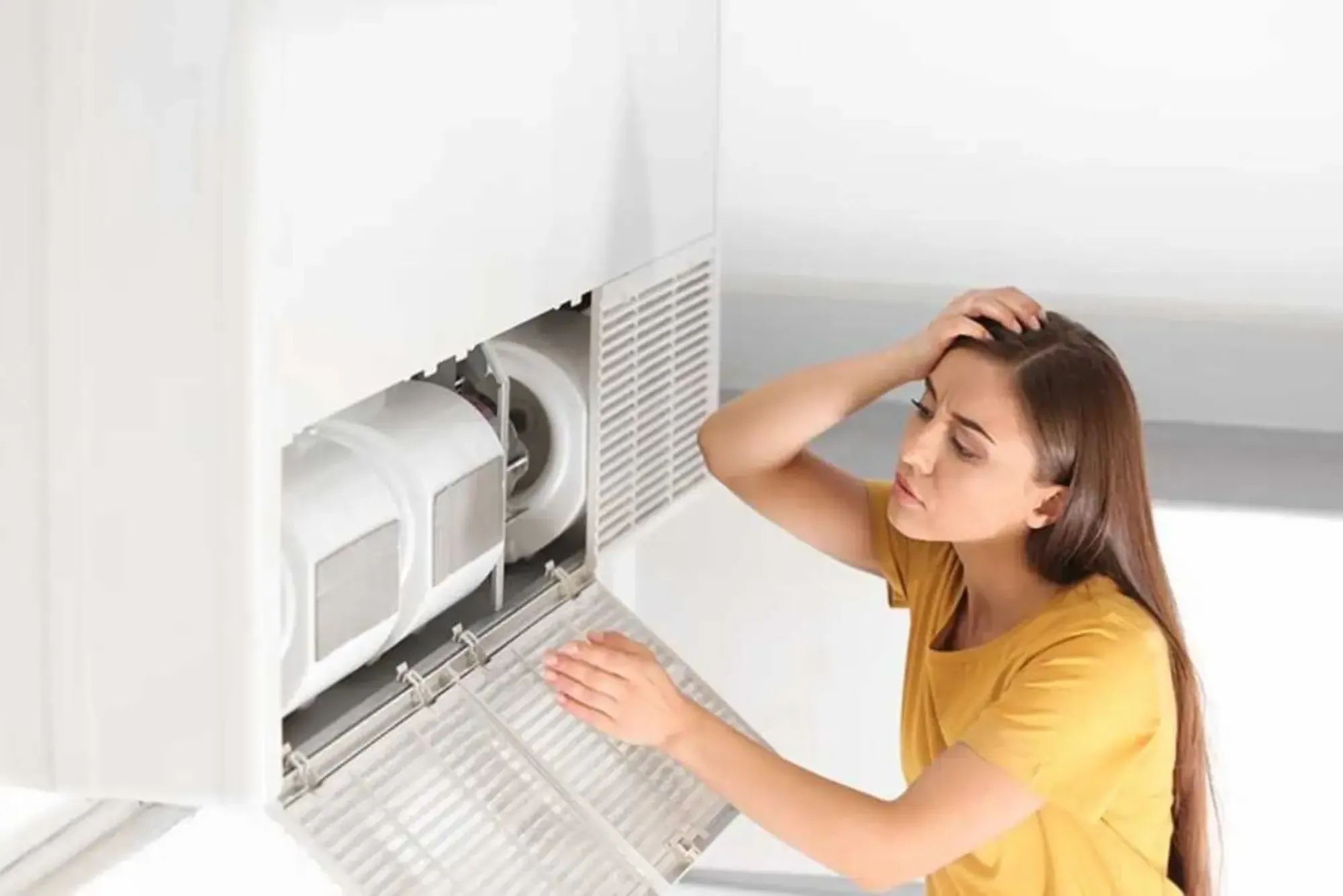
Air conditioners play a vital role in maintaining indoor comfort, especially in hot climates where consistent cooling is essential. However, when an AC system fails to cool properly, it can quickly become frustrating and uncomfortable. Understanding AC cooling problem diagnosis is important because it helps identify the root cause of the issue rather than just addressing the symptoms. Many users ignore early warning signs such as reduced airflow or inconsistent temperature, which often leads to more serious and costly repairs later.
Diagnosing cooling issues requires a combination of observation, technical knowledge, and proper maintenance awareness. Whether it is a residential or commercial unit, identifying the problem early ensures better efficiency, lower energy bills, and a longer lifespan for the system. A well-functioning air conditioner not only improves comfort but also contributes to healthier indoor air quality.
Common Signs of Cooling Problems
One of the first steps in AC cooling problem diagnosis is recognizing the signs that indicate something is wrong. Many air conditioners do not suddenly stop working; instead, they show gradual symptoms that users often overlook. Weak airflow is one of the most noticeable indicators. When air coming from the vents feels weak, it usually points to issues with the fan, filters, or duct system.
Another common sign is when the AC runs continuously but fails to cool the room effectively. This could be due to low refrigerant levels, dirty coils, or thermostat problems. Unusual noises such as buzzing or rattling may also signal internal mechanical issues. Additionally, if you notice water leakage or ice buildup on the unit, it often indicates a blockage or improper functioning of internal components.
Recognizing these signs early makes AC cooling problem diagnosis more effective and prevents further damage to the system.
Role of Air Filters in Cooling Efficiency
Air filters are one of the most overlooked components in an air conditioning system. Dirty or clogged filters restrict airflow, forcing the system to work harder to maintain the desired temperature. This not only reduces cooling efficiency but also increases energy consumption.

When airflow is blocked, the evaporator coil may become too cold and eventually freeze, further reducing the system’s ability to cool. Regular cleaning or replacement of air filters is a simple yet essential step in maintaining proper airflow. In many cases, replacing a clogged filter can significantly improve cooling performance without the need for complex repairs.
Maintaining clean filters also improves indoor air quality by removing dust, allergens, and pollutants. This makes it a critical part of both comfort and health.
Refrigerant Levels and Their Impact
Refrigerant is the substance responsible for absorbing heat from indoor air and releasing it outside. If the refrigerant level is low, the AC cannot effectively cool the space. This is one of the most common issues identified during AC cooling problem diagnosis.
Low refrigerant levels are usually caused by leaks rather than natural depletion. Signs of refrigerant issues include warm air blowing from vents, hissing sounds, and ice formation on the evaporator coil. Addressing this problem requires professional attention, as handling refrigerants involves technical expertise and safety precautions.
Proper refrigerant levels ensure efficient heat exchange, allowing the system to maintain consistent cooling even during peak usage.
Thermostat Function and Calibration
The thermostat acts as the control center of an air conditioning system. If it is not functioning correctly, the AC may not cool properly even if all other components are working fine. Incorrect temperature settings, faulty sensors, or poor placement of the thermostat can lead to inaccurate readings.
For example, if the thermostat is placed near a heat source, it may signal the AC to stop cooling prematurely. Regular calibration and proper placement are essential for accurate temperature control. Upgrading to a programmable or smart thermostat can also improve efficiency and provide better control over cooling settings.
Ensuring the thermostat functions correctly is a key step in accurate AC cooling problem diagnosis.
Importance of Condenser and Evaporator Coils
The condenser and evaporator coils are crucial components responsible for heat exchange. Over time, these coils can accumulate dirt and debris, reducing their ability to transfer heat effectively. When this happens, the AC struggles to cool the air, leading to reduced performance.
Dirty coils force the system to run longer cycles, increasing energy consumption and wear on components. Cleaning the coils regularly ensures optimal heat exchange and improves overall efficiency. In severe cases, professional cleaning may be required to remove stubborn buildup.
Keeping these components clean not only enhances cooling but also extends the lifespan of the air conditioning unit.
Electrical and Mechanical Issues
Electrical problems can also contribute to cooling failures. Faulty wiring, damaged capacitors, or worn-out motors can prevent the AC from functioning properly. These issues often require professional inspection and repair to ensure safety and reliability.
Mechanical components such as fans and compressors play a vital role in the cooling process. If the fan is not working correctly, airflow will be compromised. Similarly, a failing compressor can significantly reduce cooling capacity. Addressing these issues promptly prevents further damage and costly replacements.
Proper maintenance and timely inspections help identify electrical and mechanical problems early, making AC cooling problem diagnosis more accurate and effective.
Drainage Problems and Moisture Control
Air conditioners not only cool the air but also remove humidity. The moisture extracted from the air is drained through a condensate line. If this line becomes clogged, water can back up into the system, leading to leakage and reduced efficiency.
Blocked drainage can also create a breeding ground for mold and bacteria, affecting indoor air quality. Regular cleaning of the drain line ensures proper moisture removal and prevents water-related issues.
Effective moisture control is essential for maintaining comfort and preventing damage to the AC system.
Impact of Improper Installation
Improper installation is another factor that can lead to cooling problems. An incorrectly sized unit, poor ductwork design, or improper placement can significantly affect performance.
For example, an undersized AC will struggle to cool the space, while an oversized unit may cycle on and off too frequently, reducing efficiency. Proper installation ensures balanced airflow, efficient operation, and consistent cooling.
Professional installation is crucial for avoiding long-term issues and ensuring optimal performance from the start.
Preventive Maintenance for Long-Term Efficiency
Regular maintenance is the most effective way to prevent cooling problems. Routine inspections, cleaning, and servicing keep all components in good condition and ensure efficient operation.
Maintenance tasks include checking refrigerant levels, cleaning filters and coils, inspecting electrical connections, and ensuring proper airflow. These steps help identify potential issues before they become major problems.
Investing in preventive maintenance not only improves performance but also reduces energy costs and extends the lifespan of the system.
When to Seek Professional Help
While some minor issues can be addressed through basic maintenance, many cooling problems require professional expertise. Certified technicians have the tools and knowledge to perform accurate AC cooling problem diagnosis and provide effective solutions.
Attempting complex repairs without proper training can lead to further damage and safety risks. Professional services ensure that repairs are done correctly and efficiently, restoring the system’s performance.
AC cooling problem diagnosis is essential for maintaining comfort, efficiency, and reliability in any air conditioning system. By understanding the common causes of cooling issues and taking proactive steps to address them, users can ensure consistent performance and avoid unnecessary expenses.
