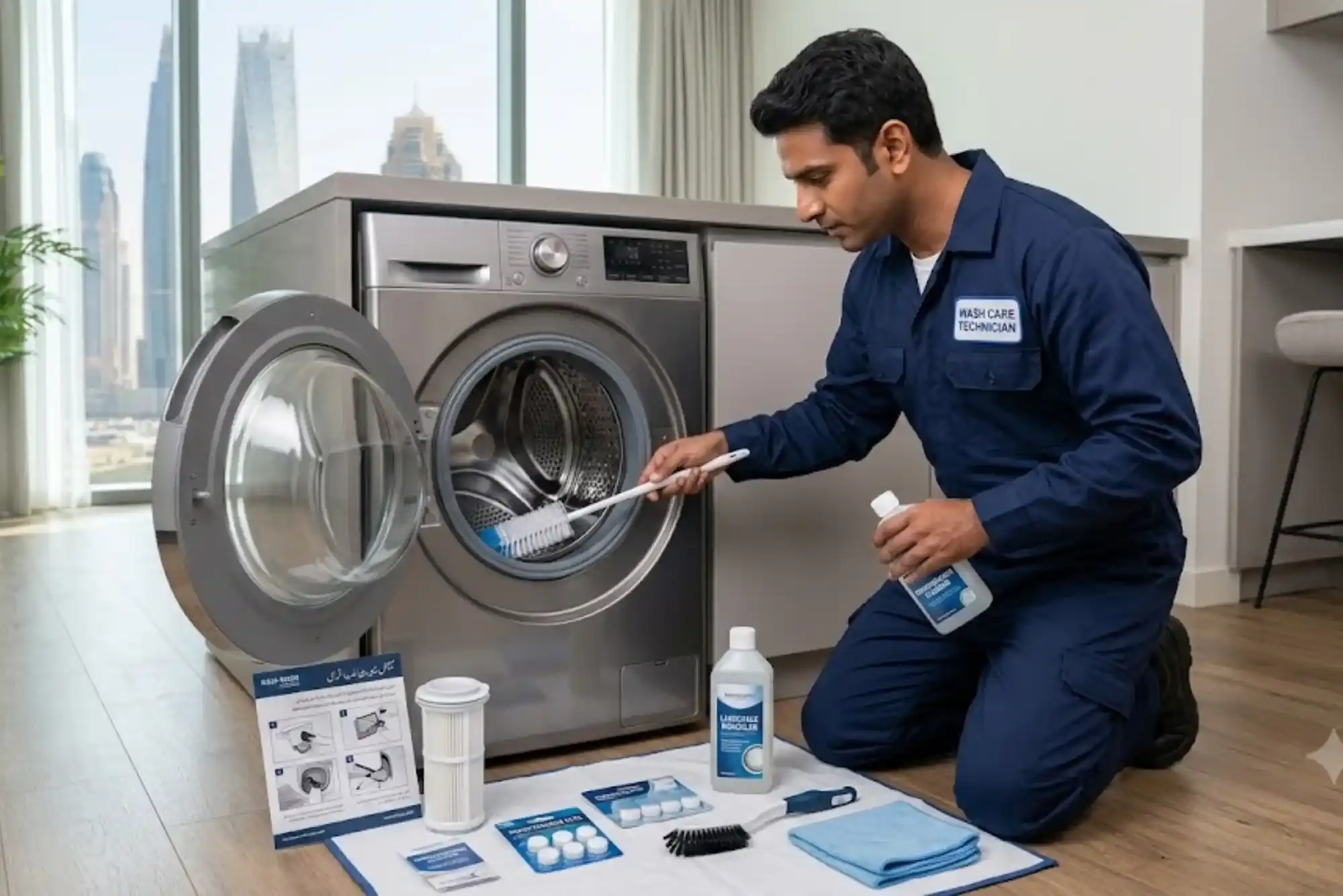
A washing machine is one of the hardest-working appliances in any home. Whether it handles daily family laundry or weekly loads, it operates under constant stress from water, detergent, and heavy clothing. Without regular care, even a high-quality machine can develop problems that lead to expensive repairs or early replacement.
Following the right washing machine maintenance tips helps improve efficiency, reduces unexpected breakdowns, lowers energy consumption, and keeps clothes cleaner after every cycle. A few simple maintenance habits can significantly increase your appliance’s lifespan while helping you avoid unnecessary repair costs.
If you ever notice unusual noises, poor spinning performance, or drainage issues, it’s worth consulting professionals who specialise in washing machine repair services before the problem becomes more serious.
Why Regular Washing Machine Maintenance Matters
Many homeowners only think about their washing machine when something stops working. Preventive maintenance is far more effective than waiting for a breakdown. Dirt, detergent residue, lint, mineral deposits, and moisture slowly build up inside the machine, reducing its performance over time.
Routine maintenance provides several long-term benefits, including:
- Longer appliance lifespan
- Improved washing performance
- Lower electricity and water consumption
- Reduced repair expenses
- Fresher-smelling laundry
- Fewer unexpected mechanical failures
Even spending just a few minutes each month maintaining your washer can prevent problems that would otherwise require costly repairs.

Clean the Washing Machine Drum Regularly
The drum may appear clean after every wash, but detergent residue, fabric softener, lint, and bacteria gradually accumulate inside. This hidden buildup can create unpleasant odours and reduce washing efficiency.
Run an empty hot-water cleaning cycle every month using a manufacturer-approved washing machine cleaner or white vinegar. This helps remove residue while keeping internal components cleaner.
After each wash cycle, leave the door slightly open to allow moisture to escape. Proper ventilation helps prevent mould and mildew growth.
Inspect the Door Seal Frequently
The rubber gasket around front-loading washing machines traps moisture and often collects dirt, hair, detergent residue, and small objects left in clothing pockets.
Inspect the seal every week and wipe it with a clean cloth. Pay special attention to hidden folds where moisture tends to remain. Keeping the seal dry helps prevent unpleasant smells and mould growth.
Signs the Door Seal Needs Attention
- Visible mould spots
- Persistent musty odours
- Water leaking from the door
- Residue inside the rubber folds
Use the Right Amount of Detergent
More detergent does not produce cleaner clothes. In fact, excessive detergent creates extra foam that leaves residue inside the drum, hoses, and pump.
Always follow the detergent manufacturer’s recommendations and adjust the amount according to your laundry load size and local water hardness.
High-efficiency (HE) washing machines should only be used with HE detergent to prevent excessive suds and unnecessary wear.
Keep the Drain Filter Clean
The drain filter collects lint, coins, buttons, and other small objects that accidentally enter the machine. A blocked filter reduces drainage efficiency and may eventually cause water to remain inside the drum.
Cleaning the drain filter every one to three months helps maintain smooth operation. If your washing machine begins draining slowly or produces unusual noises, checking the filter should be one of your first maintenance steps.
For machines already experiencing excessive movement or shaking, understanding common washing machine vibration problems can help identify whether the issue is maintenance-related or requires professional repair.
Do Not Overload the Washer
One of the most common causes of premature washing machine wear is overloading. While it may seem efficient to wash larger loads, excessive weight places significant strain on the motor, bearings, suspension, and drum.
Instead, divide bulky laundry into smaller loads that allow clothes to move freely. This improves cleaning performance while reducing stress on mechanical components.
| Maintenance Task | Recommended Frequency | Main Benefit |
|---|---|---|
| Clean Drum | Monthly | Removes detergent residue and bacteria |
| Inspect Door Seal | Weekly | Prevents mould and leaks |
| Clean Drain Filter | Every 1–3 Months | Improves drainage performance |
| Inspect Water Hoses | Every 6 Months | Reduces leak risks |
Check Water Supply Hoses
The inlet hoses supply water under pressure every time the washer operates. Over time, rubber hoses may develop cracks, bulges, or small leaks that eventually become major flooding hazards.
Inspect both hot and cold water hoses at least twice a year. Replace damaged hoses immediately, and consider upgrading to braided stainless-steel hoses for additional durability.
If your washer suddenly stops operating after routine maintenance or begins showing performance issues, professional washing machine repair solutions can help diagnose the underlying problem before further damage occurs.
Pay Attention to Unusual Sounds and Vibrations
Your washing machine often gives early warning signs before a major failure occurs. Grinding noises, loud banging, excessive vibration, or squeaking sounds should never be ignored. Identifying these symptoms early can prevent damage to expensive internal components.
For example, excessive movement during the spin cycle may indicate an unbalanced load, worn suspension parts, or an uneven floor. Addressing these issues promptly can save you from costly repairs later.
Common Warning Signs to Watch For
- Water leaking around the machine
- Unusual grinding or knocking noises
- Longer washing cycles than normal
- Poor spinning performance
- Clothes remaining excessively wet
- Error codes appearing repeatedly
If your washing machine suddenly stops working and requires immediate attention, professional emergency washing machine repair services can help minimise downtime and prevent further damage.
Balance Every Laundry Load
Balanced loads reduce unnecessary stress on the drum, bearings, suspension, and motor. Washing heavy items like blankets or towels together without balancing them with lighter garments often causes excessive vibration.
Distribute clothing evenly around the drum before starting each cycle. Avoid washing single bulky items whenever possible, as uneven weight distribution can shorten the appliance’s lifespan.
Schedule Professional Inspections When Needed
Although routine home maintenance is essential, some internal components require professional inspection. Motors, bearings, belts, electronic control boards, and water pumps should only be checked by experienced technicians.
Annual servicing allows professionals to identify hidden wear before it develops into major mechanical failures. Preventive servicing is usually far less expensive than replacing damaged internal parts.
Expert Tip:
Perform a quick five-minute inspection once every month. Clean the detergent drawer, wipe the door seal, check the drain filter, inspect the water hoses, and run a drum cleaning cycle. These simple habits can significantly extend the lifespan of your washing machine while maintaining excellent washing performance.
Simple Monthly Washing Machine Maintenance Checklist
- Run an empty hot cleaning cycle.
- Clean the detergent dispenser thoroughly.
- Wipe the rubber door gasket dry.
- Remove lint and debris from the drain filter.
- Inspect inlet hoses for signs of wear.
- Check that the machine remains level.
- Leave the door open after every wash.
- Use only the recommended amount of detergent.
Frequently Asked Questions
How often should I clean my washing machine?
Cleaning the drum once a month and wiping the door seal after every few washes helps prevent detergent buildup, mould, and unpleasant odours.
Can too much detergent damage a washing machine?
Yes. Excess detergent creates excessive foam and residue, which can clog internal components and reduce washing efficiency over time.
Why is my washing machine vibrating excessively?
Common causes include overloaded laundry, uneven flooring, worn suspension parts, or an unbalanced drum. Identifying the cause early helps prevent additional damage.
When should I call a professional technician?
If you notice water leaks, repeated error codes, burning smells, loud grinding noises, or the washer fails to spin or drain correctly, professional inspection is recommended.
How long should a washing machine last?
With proper care and regular maintenance, many quality washing machines can provide reliable performance for 10 to 15 years, depending on usage and manufacturer recommendations.
Conclusion
Following these washing machine maintenance tips is one of the simplest ways to improve efficiency, reduce repair costs, and extend the life of your appliance. Regular cleaning, balanced laundry loads, proper detergent use, and routine inspections all contribute to dependable long-term performance.
While many maintenance tasks can be completed at home, professional assistance is invaluable when mechanical or electrical issues arise. Combining preventive care with expert servicing ensures your washing machine continues delivering reliable results for years to come.
Related Reading: Sliding Door Maintenance and Upgrade Tips for Abu Dhabi Homes
