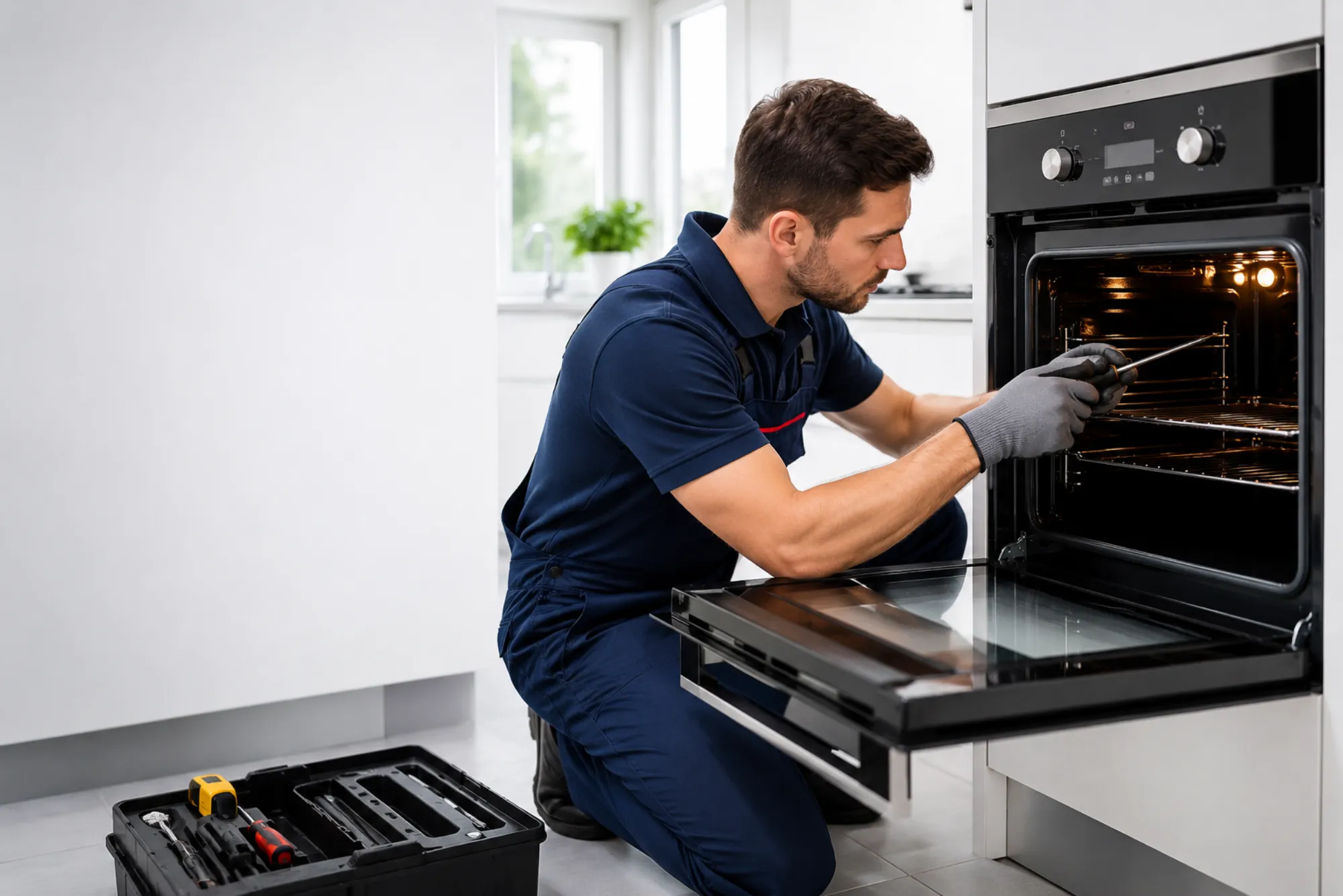
The oven is one of the hardest-working appliances in any kitchen. Whether preparing family dinners, baking desserts, or hosting holiday gatherings, homeowners depend on it to perform consistently. Like any frequently used appliance, however, an oven requires routine care to maintain efficiency, safety, and long-term reliability.
Many people overlook small performance issues until they become expensive repairs. Uneven heating, unusual noises, electrical problems, or burners that fail to ignite are often early warning signs that should never be ignored. Fortunately, routine maintenance combined with timely professional repairs can significantly extend the lifespan of an oven while reducing energy consumption and minimizing unexpected breakdowns.
This guide explains why preventative maintenance matters, the most common oven problems, when professional assistance becomes necessary, and practical ways homeowners can keep their appliances operating at their best.
Why Regular Oven Maintenance Matters
Every cooking cycle exposes an oven to extreme temperatures, grease, moisture, and food residue. Over time, these factors gradually affect internal components such as heating elements, thermostats, ignition systems, wiring, and door seals.
Routine maintenance offers several important benefits:
- Improves cooking consistency
- Extends appliance lifespan
- Reduces energy consumption
- Enhances household safety
- Prevents costly emergency repairs
- Maintains manufacturer performance standards
Professional servicing helps identify developing issues before they become major failures, saving both time and repair expenses.

Common Signs Your Oven Needs Professional Attention
Uneven Heating
If food cooks unevenly or requires significantly longer cooking times, the heating element, thermostat, or temperature sensor may no longer be functioning correctly.
Burners Fail to Ignite
Gas ovens rely on ignition systems that can wear over time. Dirty or damaged spark electrodes often prevent proper burner ignition.
When ignition issues become frequent, professional inspection of components such as the oven surface burner spark electrode can restore safe and reliable operation.
Temperature Fluctuations
An oven that cannot maintain a stable temperature often produces inconsistent cooking results. Faulty thermostats, sensors, or electronic control boards commonly contribute to this problem.
Door Doesn’t Seal Properly
A damaged door gasket allows heat to escape, increasing cooking times while placing unnecessary strain on heating components.
Electrical Problems
Tripping breakers, intermittent power loss, or display failures should never be ignored. Electrical faults require prompt diagnosis to prevent further damage.
Issues involving household electrical protection may require inspection of components such as breaker and MCB repair services to ensure safe appliance operation.
Simple Maintenance Habits Every Homeowner Should Follow
Clean Spills Immediately
Food spills create smoke, unpleasant odors, and baked-on residue that becomes increasingly difficult to remove. Cleaning minor spills after the oven cools helps prevent long-term buildup.
Inspect Door Seals
Regularly check rubber door gaskets for cracks, tears, or compression damage. Replacing worn seals improves energy efficiency and cooking performance.
Keep Burners Clean
Surface burners should remain free from grease and food particles that may interfere with proper ignition or flame quality.
Avoid Harsh Cleaning Products
Strong abrasive chemicals may damage protective finishes, sensors, and heating components. Always use products recommended for oven cleaning.
Check Ventilation
Proper airflow prevents excessive heat accumulation around electrical components while improving cooking efficiency.
Professional Maintenance Goes Beyond Cleaning
While homeowners can perform basic maintenance, certified technicians carry out comprehensive inspections that address internal components not easily accessible without specialized tools.
Professional servicing typically includes:
- Thermostat calibration
- Heating element inspection
- Gas leak testing
- Electrical safety checks
- Ignition system diagnostics
- Door alignment inspection
- Control board testing
- Performance verification
These preventive inspections often identify developing problems long before appliance failure occurs.
Why Timely Repairs Save Money
Some homeowners continue using an oven despite noticeable performance issues, assuming the problem is minor. Unfortunately, delayed repairs frequently allow small defects to develop into much larger failures.
For example:
- A faulty thermostat may overwork heating elements.
- A damaged ignition system may affect gas efficiency.
- Electrical faults can damage electronic control boards.
- Loose wiring may create safety hazards.
Addressing problems early typically reduces repair costs while minimizing downtime.
The Importance of Using Experienced Oven Repair Specialists
Modern ovens combine sophisticated electronics, heating technology, gas systems, sensors, and digital controls. Accurate diagnosis requires technical expertise and proper testing equipment.
Experienced repair professionals understand manufacturer specifications and can accurately identify root causes rather than simply replacing parts through trial and error.
Comprehensive advanced oven repair solutions often include detailed diagnostics that improve repair accuracy and long-term reliability.
Safety Should Always Come First
Ignoring oven problems can present significant household risks. Electrical faults, damaged wiring, gas leaks, and overheating components all require immediate professional attention.
Never attempt repairs involving:
- Gas supply lines
- Internal electrical wiring
- Electronic control boards
- Heating element replacement
- Ignition system repairs
Professional technicians follow safety procedures designed to protect both occupants and appliances.
Supporting Kitchen Maintenance Beyond the Oven
A well-maintained kitchen depends on more than functioning appliances. Moisture damage, structural wear, and surrounding finishes also contribute to the overall safety and appearance of the cooking environment.
For example, repairing damaged ceilings caused by leaks or humidity helps preserve indoor conditions while preventing additional maintenance issues. Homeowners facing structural concerns may also benefit from professional ceiling damage repair services as part of broader home maintenance planning.
How Often Should an Oven Be Serviced?
The ideal maintenance schedule depends on cooking frequency.
Light Household Use
Professional inspection every two to three years is generally sufficient.
Average Family Use
Annual maintenance helps maintain optimal performance and identify developing issues.
Heavy Daily Cooking
Homes where ovens operate frequently may benefit from inspections every six to twelve months.
Routine servicing becomes especially valuable as appliances age.
Choosing the Right Repair Professional
Not every repair service offers the same level of expertise. Homeowners should consider several factors before scheduling maintenance.
- Experience with multiple oven brands
- Transparent pricing
- Accurate diagnostics
- Quality replacement parts
- Strong customer reviews
- Clear communication
- Warranty on repair work
A qualified technician focuses on identifying the underlying issue rather than recommending unnecessary replacements.
Preventive Care Delivers Long-Term Value
Regular maintenance is an investment rather than an expense. Proper servicing improves efficiency, supports consistent cooking performance, extends appliance life, and reduces unexpected repair costs.
Small habits such as cleaning spills promptly, monitoring performance changes, and scheduling periodic professional inspections can significantly improve the reliability of any oven.
When warning signs appear, timely diagnosis by experienced oven maintenance and repair experts helps restore performance while protecting both the appliance and household safety.
Conclusion
An oven plays a central role in everyday cooking, making dependable performance essential for every household. Routine maintenance, early identification of minor issues, and professional repair services all contribute to safer operation, lower energy costs, and longer appliance life.
Rather than waiting for complete equipment failure, homeowners who prioritize preventative care benefit from more efficient cooking, fewer unexpected breakdowns, and greater peace of mind. Investing in professional oven maintenance today helps ensure reliable kitchen performance for years to come.
Related Reading: Commercial Air Conditioning Maintenance And Repair Specialists — full guide
Related Reading: Dishwasher Repair and Maintenance Experts
Related Reading: Oven Repair Cost and Why It Matters
Related Reading: Oven Range Repair
Related Reading: Oven Thermostat Repair Dubai
Related Reading: AC Cooling Issue Repair Experts
