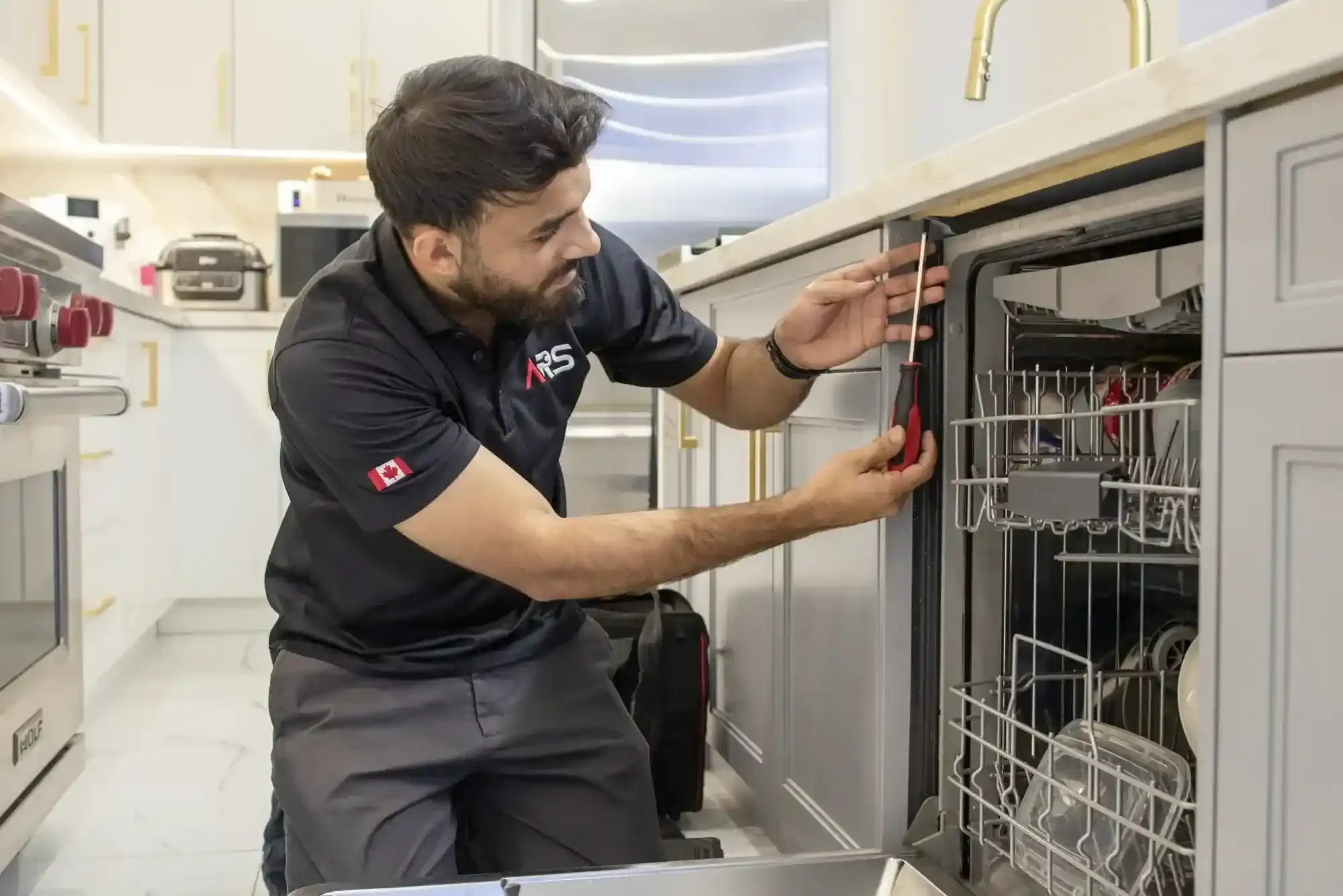
A built-in dishwasher is one of the most convenient appliances in any modern kitchen, designed to save time, water, and effort. However, like all appliances, it can develop issues over time due to regular use, wear and tear, or lack of maintenance. When problems arise, understanding built-in dishwasher repair becomes essential to avoid costly replacements and maintain smooth kitchen operations.
Dishwashers are complex machines that combine electrical components, water systems, and mechanical parts. Even a minor issue, such as improper drainage or weak cleaning performance, can disrupt daily routines. Many homeowners ignore early warning signs, which often leads to more serious damage. Addressing these problems early through proper repair techniques helps extend the life of the appliance and ensures consistent performance.
Common Causes of Dishwasher Malfunctions
Built-in dishwashers can stop working efficiently for several reasons. One of the most common causes is clogged filters. Over time, food particles, grease, and debris accumulate in the filter, restricting water flow and reducing cleaning effectiveness. When this happens, dishes may come out dirty, and the machine may struggle to complete cycles. Cleaning the filter regularly can prevent this issue.
Another frequent problem involves drainage issues. If water remains at the bottom of the dishwasher after a cycle, it usually indicates a blockage in the drain hose or pump. This can result in unpleasant odors and bacterial growth. Proper Built-In Dishwasher Repair involves checking and clearing any obstructions to restore normal drainage.
Electrical faults are also a major concern. A dishwasher that fails to start or suddenly stops during operation may have wiring issues, a faulty control board, or a damaged door latch. These components require careful inspection and, in many cases, professional repair to ensure safety and reliability.
Water Leakage and Its Impact
Water leakage is one of the most noticeable and potentially damaging dishwasher problems. Leaks can occur due to worn door seals, loose connections, or damaged hoses. Even a small leak can lead to water damage in cabinets and flooring if not addressed quickly.

In many cases, the issue lies in the rubber gasket around the door. Over time, this seal can crack or lose its elasticity, allowing water to escape during operation. Replacing the gasket is a common solution in built-in dishwasher repair and helps restore proper sealing.
Leaks may also originate from internal components such as pumps or valves. Identifying the exact source of the leak is crucial to prevent further damage. Regular inspection of hoses and connections can help detect problems early and avoid costly repairs.
Poor Cleaning Performance
One of the main reasons homeowners seek Built-in Dishwasher Repair is poor cleaning results. When dishes come out with residue or stains, it indicates a problem within the system. This issue can be caused by clogged spray arms, low water pressure, or detergent-related problems.
Spray arms play a vital role in distributing water evenly across dishes. If their tiny holes become blocked with debris, water flow is reduced, and cleaning efficiency drops. Removing and cleaning the spray arms can significantly improve performance.
Water temperature is another important factor. Dishwashers rely on hot water to dissolve grease and remove food particles. If the heating element is faulty, the water may not reach the required temperature, leading to unsatisfactory results. Repairing or replacing the heating element is often necessary in such cases.
Unusual Noises During Operation
A properly functioning dishwasher operates quietly. However, if you notice grinding, rattling, or buzzing sounds, it could indicate a mechanical issue. These noises are often caused by loose components, worn bearings, or foreign objects stuck in the pump.
Ignoring unusual sounds can lead to more severe damage over time. In built-in dishwasher repair, diagnosing the source of the noise is the first step. Technicians typically inspect the motor, pump, and internal components to identify the problem. Timely repairs not only restore quiet operation but also prevent further wear and tear.
Importance of Regular Maintenance
Preventive maintenance plays a crucial role in avoiding major dishwasher problems. Simple habits such as rinsing dishes before loading, cleaning filters, and using the right detergent can significantly improve performance and longevity.
Regular maintenance also includes checking hoses, inspecting seals, and ensuring proper loading of dishes. Overloading the dishwasher can block spray arms and reduce cleaning efficiency. By maintaining proper usage practices, homeowners can reduce the need for frequent built-in dishwasher repair and keep their appliance running smoothly.
Another important aspect is descaling. Hard water can cause mineral buildup inside the dishwasher, affecting its efficiency. Using descaling solutions periodically helps remove these deposits and maintain optimal performance.
When to Call a Professional Technician
While some minor issues can be resolved through basic maintenance, certain problems require professional expertise. Electrical faults, motor issues, and complex mechanical failures should always be handled by trained technicians. Attempting to fix these problems without proper knowledge can lead to safety risks and further damage.
Professional technicians have the tools and experience needed to diagnose issues accurately. They can identify hidden problems that may not be visible to the average user. Investing in expert built-in dishwasher repair ensures that the appliance is restored to its original condition and operates safely.
Cost Considerations and Long-Term Value
Many homeowners hesitate to repair their dishwasher due to cost concerns. However, repairing an existing appliance is often more economical than replacing it entirely. Minor repairs, such as replacing a gasket or cleaning a drain, are relatively inexpensive and can extend the life of the dishwasher by several years.
Understanding the long-term value of maintenance and repair helps homeowners make informed decisions. Regular servicing not only reduces the likelihood of major breakdowns but also improves energy efficiency. A well-maintained dishwasher uses less water and electricity, resulting in lower utility bills.
Extending the Lifespan of Your Dishwasher
A built-in dishwasher is a long-term investment, and proper care can significantly extend its lifespan. Using the appliance correctly, performing regular maintenance, and addressing issues promptly are key factors in ensuring durability.
Avoiding harsh detergents, not overloading the machine, and running regular cleaning cycles can prevent many common problems. Additionally, keeping the interior clean and free from debris helps maintain hygiene and efficiency.
Over time, even the best appliances may require occasional built-in dishwasher repair, but consistent care minimizes the frequency and severity of issues. By adopting good maintenance habits, homeowners can enjoy reliable performance for many years.
Built-in dishwashers are essential appliances that simplify daily kitchen tasks, but they require proper care and timely repairs to function efficiently. Understanding common problems such as drainage issues, leaks, poor cleaning performance, and unusual noises helps homeowners take proactive measures.
Related Reading: Dishwasher Wash Cycle Imbalance Repair — full guide
Related Reading: Dishwasher Performance Repair
