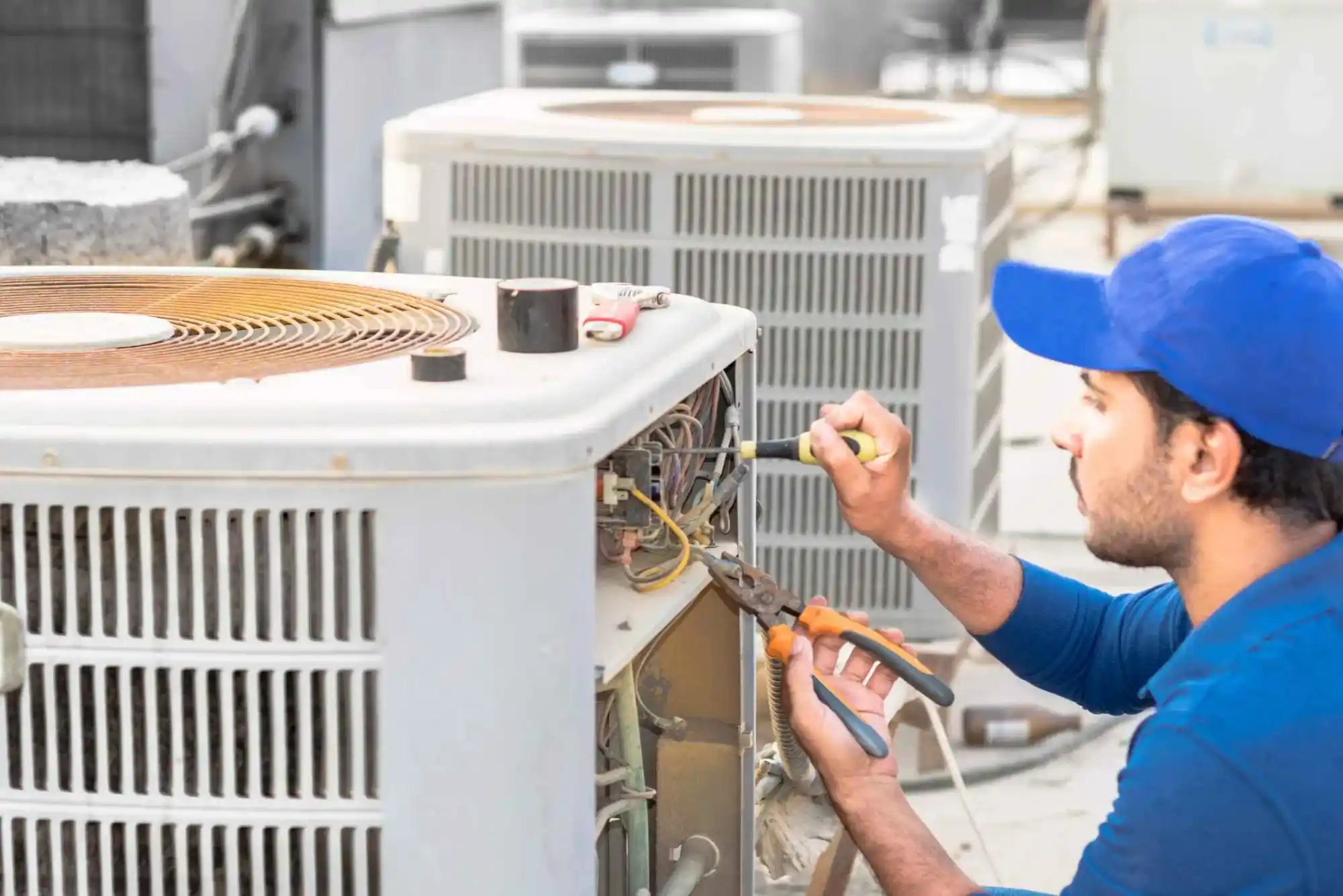
Air conditioners have become an essential part of modern living, especially in regions with extreme temperatures. However, like any electrical appliance, air conditioning systems are prone to faults that can disrupt their performance. Among these issues, electrical faults are some of the most common and critical problems that users face. Understanding AC electrical fault repair is essential not only for restoring cooling performance but also for ensuring safety and energy efficiency.
Electrical faults in air conditioning systems can occur due to multiple reasons, including wiring issues, damaged components, voltage fluctuations, or lack of maintenance. These faults may cause the unit to stop working completely or function inefficiently. Ignoring such problems can lead to higher electricity bills, further damage, or even safety hazards such as short circuits and fire risks. Therefore, timely diagnosis and repair are crucial for maintaining the overall health of the system.
Common Causes of Electrical Faults in Air Conditioners
Air conditioners consist of several electrical components that work together to provide cooling. When any of these components fail, the system may stop functioning properly. One of the most common causes of electrical faults is worn-out wiring. Over time, wires can become loose, damaged, or corroded, leading to poor connections and interruptions in power supply.
Another major factor is voltage fluctuation. Inconsistent voltage levels can damage sensitive components such as capacitors, compressors, and circuit boards. This is particularly common in areas where power supply is unstable. As a result, the air conditioner may fail to start or may shut down unexpectedly during operation.
Faulty capacitors are also a frequent cause of electrical issues. Capacitors help start the compressor and fan motors, and when they fail, the AC unit may struggle to turn on or may not function at all. Similarly, issues with relays, contactors, or thermostats can disrupt the electrical flow and cause the system to malfunction.
Signs That Indicate Electrical Problems in AC Units
Recognizing the early signs of electrical faults can help prevent serious damage to the air conditioning system. One of the most noticeable symptoms is the AC not turning on despite having a power supply. This often indicates an issue with wiring, circuit breakers, or internal components.

Frequent tripping of circuit breakers is another clear sign of electrical problems. This usually happens when there is an overload, short circuit, or faulty component drawing excessive power. Ignoring this issue can lead to further damage and should be addressed immediately.
Unusual noises such as buzzing or clicking sounds can also indicate electrical issues. These sounds often originate from faulty relays or loose connections. Additionally, if the air conditioner is not cooling effectively or is shutting down randomly, it may be due to electrical faults affecting key components.
Importance of Professional Repair Services
Handling electrical faults in air conditioners requires technical expertise and proper tools. Attempting to repair these issues without sufficient knowledge can be dangerous and may worsen the problem. Professional technicians are trained to diagnose and fix electrical faults safely and efficiently.
Experts use advanced diagnostic tools to identify the root cause of the issue and provide appropriate solutions. They also ensure that all repairs comply with safety standards, reducing the risk of future problems. Moreover, professional services often include inspection of the entire system, helping to identify potential issues before they become serious.
Choosing professional AC electrical fault repair services not only ensures accurate repairs but also extends the lifespan of the air conditioning unit. Regular maintenance and timely repairs can significantly improve performance and reduce energy consumption.
Key Components Involved in Electrical Fault Repair
Air conditioning systems rely on several key electrical components, each playing a vital role in the unit’s operation. The compressor is one of the most important components, and any electrical fault affecting it can disrupt the entire system. Issues with compressor wiring or starting components can prevent the AC from functioning properly.
The capacitor is another crucial component that stores and releases electrical energy to start the motors. A faulty capacitor can lead to startup problems or cause the system to stop working altogether. Similarly, the thermostat controls the temperature settings and communicates with other components. Electrical faults in the thermostat can result in inaccurate temperature control or system failure.
Circuit boards, also known as PCBs, act as the brain of modern air conditioners. They regulate various functions and ensure smooth operation. Damage to the circuit board due to electrical faults can cause multiple issues, making repair or replacement necessary.
Preventive Measures to Avoid Electrical Faults
Preventing electrical faults is always better than dealing with costly repairs. Regular maintenance plays a crucial role in keeping the air conditioning system in good condition. Cleaning and inspecting components periodically can help identify potential issues early.
Ensuring stable power supply is another important preventive measure. Using voltage stabilizers can protect the AC unit from damage caused by power fluctuations. Proper installation by qualified technicians also reduces the risk of electrical faults.
Keeping the outdoor and indoor units clean and free from dust and debris improves airflow and prevents overheating, which can indirectly affect electrical components. Regular servicing ensures that all parts are functioning correctly and reduces the likelihood of unexpected breakdowns.
Safety Considerations During Repair
Safety should always be a top priority when dealing with electrical systems. Before attempting any repair, it is essential to disconnect the power supply to avoid electric shocks. Using proper tools and protective equipment further reduces risks.
It is also important to avoid temporary fixes, as they can lead to more serious problems later. Electrical faults should be addressed thoroughly to ensure long-term safety and reliability. Professional technicians follow strict safety protocols to handle repairs effectively.
Homeowners should avoid handling complex electrical issues themselves and instead rely on experts. This not only ensures safety but also guarantees that the problem is resolved correctly.
Role of Maintenance in Long-Term Performance
Regular maintenance is key to ensuring the long-term performance of an air conditioning system. Routine inspections help identify minor issues before they escalate into major problems. This includes checking wiring, cleaning components, and testing electrical connections.
Maintenance also improves energy efficiency by ensuring that the system operates smoothly. An AC unit with electrical faults often consumes more power, leading to higher electricity bills. By addressing issues promptly, users can save on energy costs and enjoy consistent cooling performance.
Professional maintenance services provide comprehensive care for the system, ensuring that all components are functioning optimally. This not only enhances performance but also extends the lifespan of the unit.
Electrical faults in air conditioners can disrupt comfort and pose serious safety risks if not addressed promptly. Understanding the causes, symptoms, and solutions related to AC electrical fault repair helps users take timely action and maintain their systems effectively.
Related Reading: AC Plenum Box Sealing
