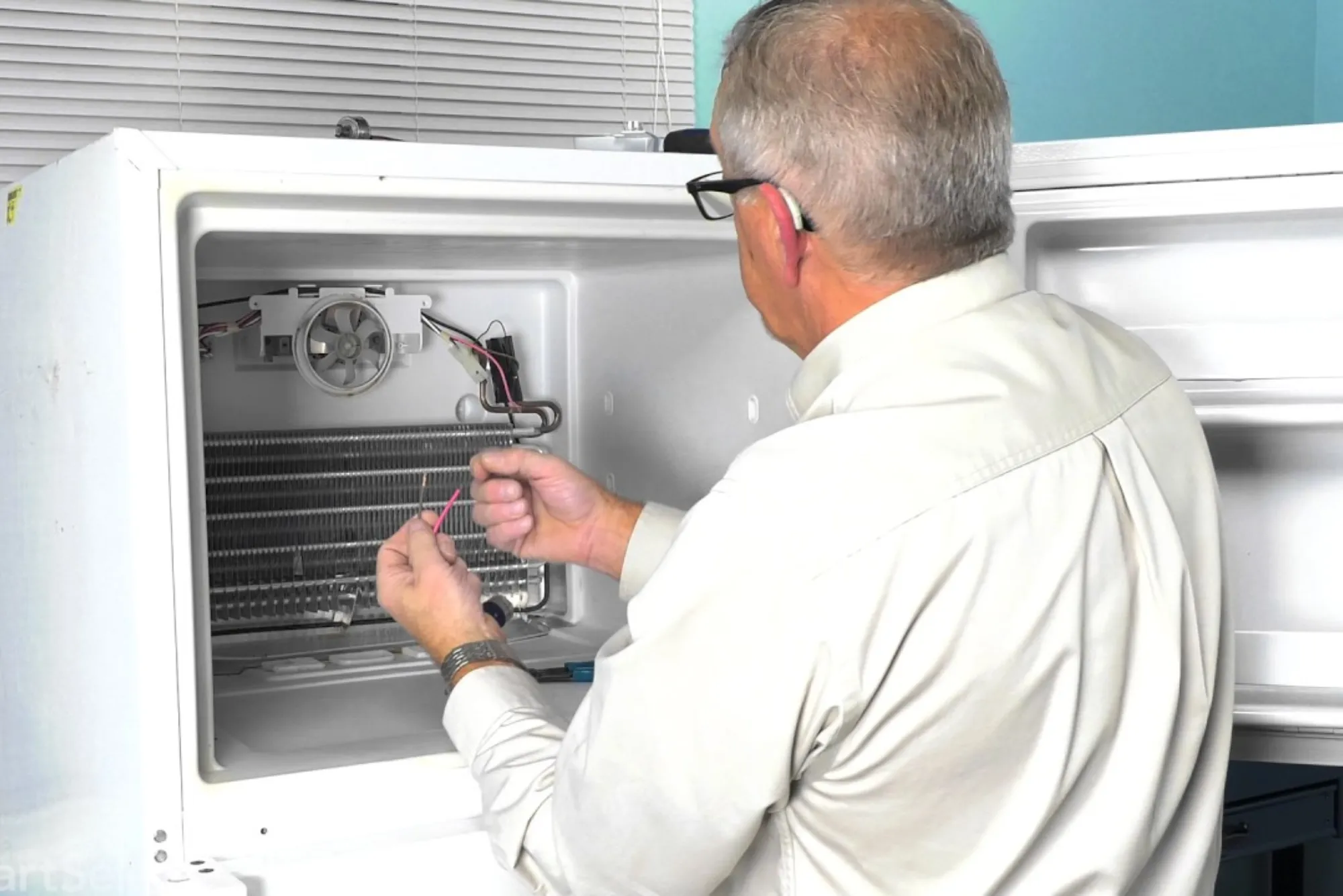
A refrigerator is one of the most important appliances in any household, operating continuously to preserve food, maintain freshness, and ensure daily convenience. When it begins to malfunction, even slightly, the disruption can quickly become stressful. One of the most common and overlooked problems is a thermostat malfunction. A Daewoo fridge thermostat issue can lead to unstable temperatures, spoiled food, excessive energy consumption, and long-term damage to internal components. Understanding how the thermostat works and recognizing early warning signs can save both money and inconvenience.
The thermostat in a Daewoo refrigerator acts as the control center for temperature regulation. It monitors internal cooling levels and signals the compressor when to turn on or off. When functioning correctly, it maintains a stable temperature that keeps food fresh without freezing items unnecessarily. However, when the thermostat begins to fail, cooling becomes unpredictable. Some users notice that their fridge becomes too cold, freezing vegetables and beverages, while others experience insufficient cooling that puts perishable food at risk.
Understanding the Role of the Thermostat in a Daewoo Refrigerator
The thermostat is responsible for detecting temperature changes inside the refrigerator compartment. Once the temperature rises above the set level, the thermostat activates the compressor to start cooling. When the desired temperature is reached, it signals the compressor to stop. This cycle repeats throughout the day to maintain consistent cooling.
In a Daewoo fridge thermostat issue, this regulation system is disrupted. The thermostat may fail to detect temperature accurately or may not send proper signals to the compressor. As a result, the compressor may run continuously, increasing electricity usage, or it may fail to start when needed, causing the fridge to warm up unexpectedly.
Modern Daewoo refrigerators may use electronic control boards in combination with thermostatic sensors. In such cases, diagnosing the issue requires careful testing and technical understanding, as the problem may involve either the thermostat sensor or the control circuitry.
Common Signs of a Thermostat Problem
One of the earliest signs of a Daewoo fridge thermostat issue is temperature inconsistency. Food may spoil faster than usual, or ice may form in unexpected areas. Users sometimes notice that adjusting the temperature dial has no effect on cooling performance. Another common symptom is continuous compressor operation, where the refrigerator seems to run without stopping.

Unusual noises can also accompany thermostat failure. When the compressor is forced to run longer than necessary, it may produce louder humming sounds. On the other hand, if the thermostat fails to trigger cooling, the fridge may remain silent even when internal temperatures rise.
These signs should not be ignored. Early detection allows for timely repair, preventing further damage to expensive components such as the compressor or evaporator coils.
Causes Behind Thermostat Malfunction
Several factors can contribute to a Daewoo fridge thermostat issue. Normal wear and tear over time is one of the primary causes. Since the thermostat cycles repeatedly throughout the day, its internal contacts may eventually degrade.
Electrical fluctuations are another common cause. Sudden voltage spikes can damage sensitive components within the thermostat system. In areas with unstable power supply, refrigerators are particularly vulnerable to control system faults.
Moisture buildup and condensation can also affect thermostat performance. If water enters sensitive areas, it may interfere with electrical connections. Additionally, dust accumulation behind the control panel can contribute to sensor inaccuracies.
Improper temperature settings or blocked air vents may mimic thermostat issues. Therefore, a thorough inspection is necessary before confirming the need for replacement.
Impact on Energy Consumption and Food Safety
A malfunctioning thermostat directly affects energy efficiency. If the compressor runs continuously due to faulty temperature detection, electricity consumption increases significantly. Over time, this not only raises utility bills but also shortens the lifespan of the compressor.
Conversely, insufficient cooling can compromise food safety. Dairy products, meats, and fresh produce require stable low temperatures to prevent bacterial growth. When a Daewoo fridge thermostat issue prevents consistent cooling, the risk of food contamination increases.
Maintaining proper temperature control is essential not only for convenience but also for health and safety. Addressing thermostat problems promptly protects both household budgets and well-being.
Diagnosing the Problem Accurately
Accurate diagnosis is critical before replacing any component. Technicians typically begin by checking the temperature settings and ensuring that vents are unobstructed. They may use thermometers to measure internal cooling levels and compare them with the set temperature.
Electrical testing is often required to determine whether the thermostat is sending signals to the compressor. In electronic models, diagnostic tools may be used to assess sensor readings and control board responses.
Sometimes, the issue may appear to be thermostat-related but is actually caused by a faulty defrost system or blocked condenser coils. Professional evaluation ensures that the correct component is repaired or replaced.
Repair or Replacement Considerations
In some cases, minor adjustments or cleaning may resolve a Daewoo fridge thermostat issue. However, if the thermostat is damaged internally, replacement becomes necessary. Replacing the thermostat involves disconnecting the appliance from power, removing the control housing, and installing a compatible component.
Using original or manufacturer-approved parts is essential to maintain performance and safety standards. Improper installation can lead to further complications or recurring problems.
Professional repair services ensure that the replacement is done correctly and that the system is tested thoroughly before completion. This approach provides long-term reliability and prevents repeated breakdowns.
Preventive Maintenance for Long-Term Stability
Preventive maintenance plays a significant role in avoiding thermostat issues. Regular cleaning of condenser coils improves cooling efficiency and reduces strain on the system. Ensuring proper ventilation around the refrigerator prevents overheating.
Using voltage stabilizers can protect sensitive electronic components from power fluctuations. Periodically checking door seals and maintaining proper internal organization also help maintain consistent airflow and temperature distribution.
Simple habits such as avoiding frequent door opening and not overloading the fridge contribute to stable performance. Preventive care reduces the likelihood of experiencing a Daewoo fridge thermostat issue in the future.
When to Seek Professional Assistance
While some users may attempt minor troubleshooting, thermostat repair often requires technical expertise. Electrical components must be handled carefully to avoid safety risks. If temperature fluctuations persist despite basic adjustments, professional inspection is recommended.
Technicians can quickly determine whether the thermostat is faulty or if another component is responsible. Timely intervention prevents further damage and ensures that the refrigerator continues operating efficiently.
Attempting DIY repairs without proper knowledge can lead to wiring errors or accidental damage to internal parts. Professional service ensures accurate diagnosis, safe handling, and reliable restoration of performance.
Long-Term Benefits of Proper Repair
Addressing a Daewoo fridge thermostat issue promptly restores temperature stability and improves overall appliance performance. A properly functioning thermostat ensures that food remains fresh, energy consumption stays within normal limits, and the compressor operates under optimal conditions.
A Daewoo fridge thermostat issue may begin as a minor inconvenience, but it can quickly escalate into serious performance and safety concerns. The thermostat plays a vital role in regulating cooling cycles and maintaining stable temperatures. When it malfunctions, the consequences affect energy efficiency, food preservation, and overall appliance durability.
Understanding the symptoms, causes, and solutions allows homeowners to take timely action. Whether through professional diagnosis, proper replacement, or preventive maintenance, addressing thermostat problems ensures reliable performance for years to come.
Related Reading: Fridge Door Gasket Magnet
Related Reading: AC Breaker Tripping Issue
