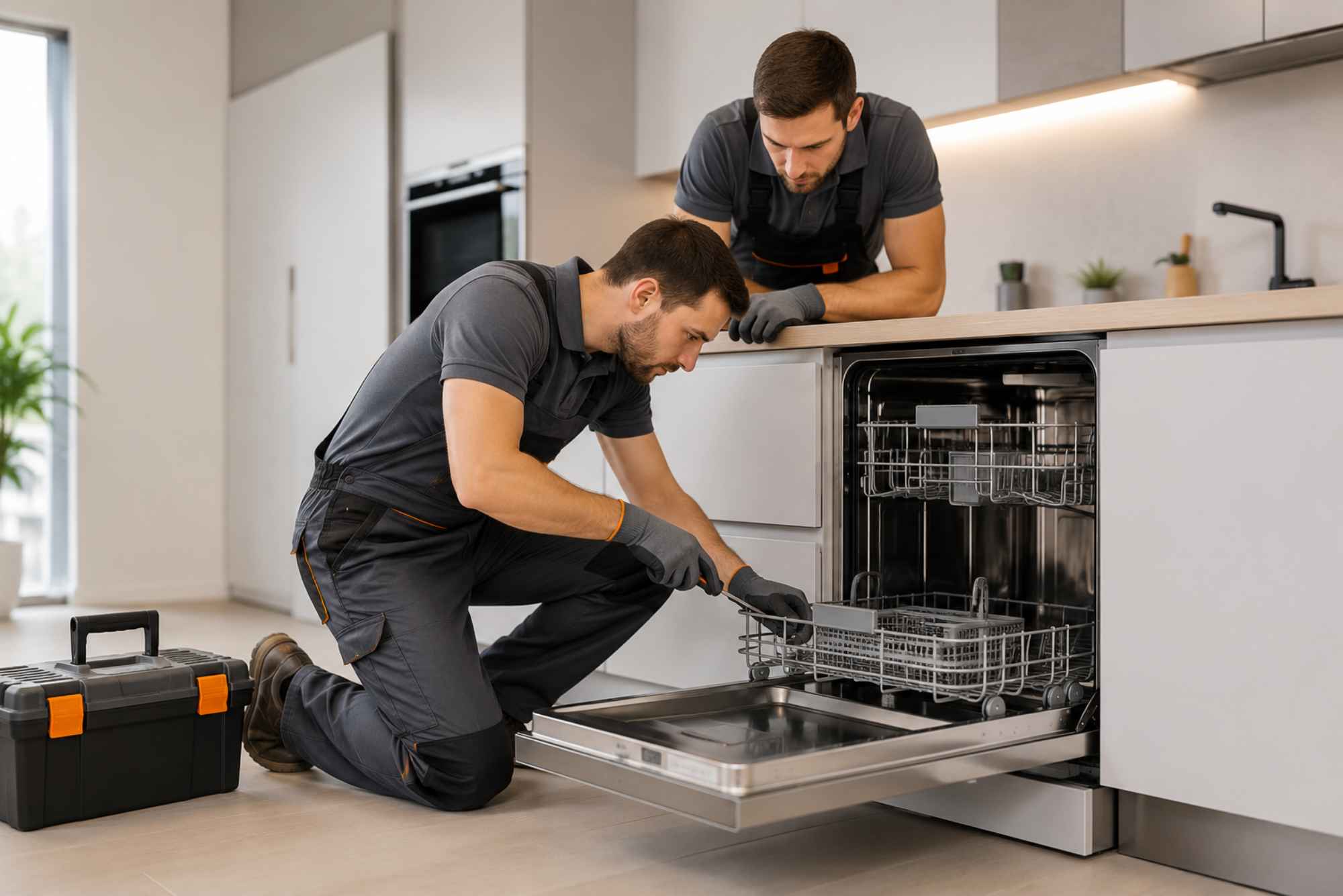
A dishwasher is one of the most convenient appliances in any modern kitchen, saving time, effort, and water. However, like any other machine, it requires regular care and timely repairs to function efficiently. Understanding how professional dishwasher repair and maintenance experts handle issues can help homeowners avoid costly replacements and ensure smooth daily operation.
From minor drainage issues to complex electrical faults, dishwashers can develop a wide range of problems over time. The key is early detection and proper servicing, which not only extends the lifespan of the appliance but also improves cleaning performance and energy efficiency.
Why Dishwasher Maintenance Matters
Regular maintenance is essential for ensuring that a dishwasher continues to perform at its best. Without proper care, food residue, hard water deposits, and worn-out components can reduce efficiency and cause long-term damage.
Professional technicians often recommend scheduled servicing to avoid breakdowns. Routine inspection helps identify problems early, such as clogged filters, faulty spray arms, or malfunctioning heating elements.
Key Benefits of Regular Maintenance
- Improved cleaning performance
- Lower energy and water consumption
- Extended appliance lifespan
- Reduced risk of major breakdowns
For homeowners looking for reliable solutions, professional services like dishwasher repair services provide complete diagnostics and repair solutions tailored to different appliance brands and models.
Common Dishwasher Problems Homeowners Face
Dishwashers may appear simple to operate, but internally they rely on multiple mechanical and electrical systems. When one component fails, the entire cleaning cycle can be affected.

Some of the most common issues include poor cleaning results, water leakage, unusual noise, and failure to start. Each of these problems usually points to a deeper technical fault that requires professional attention.
Frequent Faults Explained
- Water not draining: Often caused by clogged filters or blocked hoses.
- Dishes not clean: Spray arms may be jammed or water pressure may be low.
- Leakage issues: Worn door seals or internal cracks.
- Power failure: Electrical faults or control board issues.
In many cases, these issues can worsen if ignored. That is why expert inspection is highly recommended before the problem escalates into a full breakdown.
Professional Dishwasher Repair Approach
Experienced technicians follow a structured process to diagnose and repair dishwashers. This ensures that the root cause of the problem is addressed rather than just the symptoms.
The process typically begins with a full inspection, followed by testing of electrical and mechanical components. Once the issue is identified, necessary parts are repaired or replaced.
For advanced cases involving recurring faults, specialists from dishwasher troubleshooting specialists use diagnostic tools to pinpoint hidden issues and ensure accurate repair solutions.
Step-by-Step Repair Process
- Initial inspection and problem identification
- Testing of water inlet and drainage systems
- Electrical component evaluation
- Replacement or repair of faulty parts
- Final performance testing
Dishwasher Performance Optimization
Beyond repairs, optimizing dishwasher performance is essential for long-term efficiency. Even a fully functional dishwasher can lose performance if not maintained properly.
Performance optimization involves cleaning internal components, adjusting water pressure settings, and ensuring proper loading techniques. These small adjustments can significantly improve cleaning results.
Experts offering dishwasher performance repair solutions focus on restoring full efficiency by fine-tuning mechanical and electronic systems.
Best Practices for Better Performance
- Clean filters weekly
- Use recommended detergents
- Avoid overloading racks
- Run hot water cycles periodically
Common Dishwasher Issues and Solutions
| Problem | Possible Cause | Recommended Solution |
|---|---|---|
| Dishes remain dirty | Blocked spray arms or low water pressure | Clean spray arms and check inlet valve |
| Water leakage | Damaged door seal | Replace rubber gasket or seal |
| Dishwasher not starting | Electrical or control board issue | Professional electrical inspection required |
| Bad odor | Food residue buildup | Deep cleaning and filter maintenance |
Maintenance Tips from Experts
Preventive care is the most effective way to avoid frequent repairs. Simple habits can make a significant difference in the performance of your dishwasher.
Experts recommend running empty hot cycles once a month to remove grease buildup. Additionally, checking seals and cleaning the interior helps prevent mold and odor formation.
For complex installations, such as integrated kitchen units, services like built-in dishwasher repair ensure safe handling and precise fitting without damaging cabinetry or plumbing connections.
Monthly Maintenance Checklist
- Inspect door seals for wear
- Clean filter and drain area
- Check spray arms for blockages
- Run a vinegar cleaning cycle
When to Call Dishwasher Repair Experts
While minor maintenance can be done at home, certain issues require professional intervention. Electrical faults, persistent leakage, or repeated cycle failures should never be ignored.
Calling professionals ensures safety, prevents further damage, and restores the appliance to optimal condition. Skilled technicians also provide long-term maintenance advice tailored to your usage patterns.
Conclusion
A well-maintained dishwasher is a reliable kitchen companion that saves time and effort every day. By understanding common issues, practicing regular maintenance, and seeking expert help when needed, homeowners can significantly extend the life of their appliance.
Professional dishwasher repair and maintenance experts play a crucial role in ensuring efficiency, safety, and performance. Whether it’s troubleshooting a minor fault or handling a major repair, expert services guarantee peace of mind and long-term reliability.
Related Reading: Quick Dishwasher Repair Experts
Related Reading: Oven Maintenance and Repair Experts
