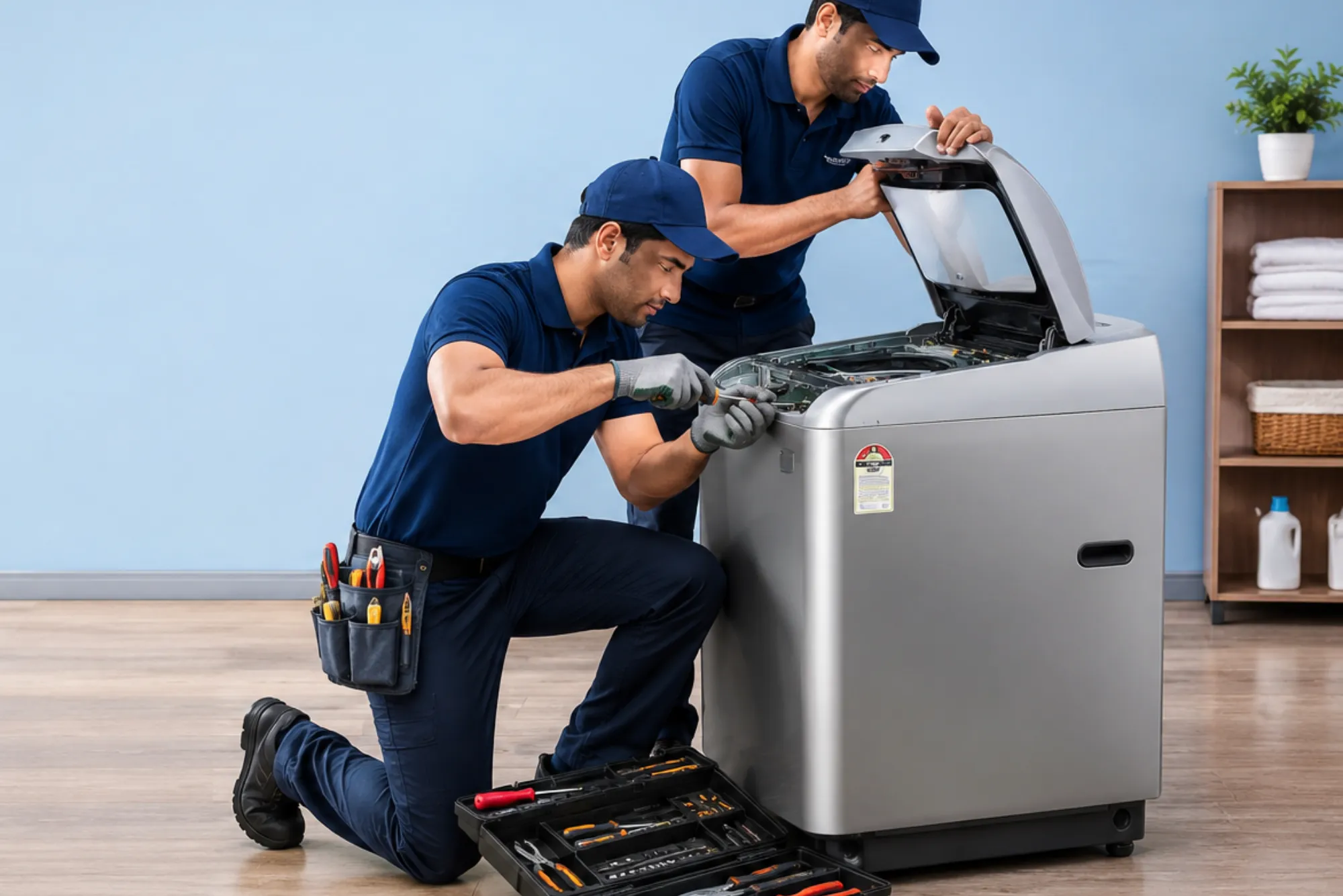
A dependable washing machine is one of the most important appliances in any home. When a top load washer stops spinning, fails to drain, leaks water, or produces unusual noises, daily routines can quickly become inconvenient. A professional top load washing machine repair service helps diagnose these issues accurately, restore performance, and extend the lifespan of the appliance.
Top load washing machines are known for their durability and user-friendly design, but like any household appliance, they experience wear and tear over time. Understanding common faults, maintenance requirements, and repair options can help homeowners make informed decisions before minor problems develop into costly breakdowns.
What Is a Top Load Washing Machine Repair Service?
A top load washing machine repair service involves inspecting, diagnosing, and fixing mechanical, electrical, or performance-related issues affecting top-loading washers. Technicians evaluate the appliance, identify the root cause of the malfunction, replace faulty components when necessary, and test the machine to ensure safe and efficient operation.
Professional repair services are particularly valuable when dealing with electrical faults, motor issues, drainage failures, control board problems, or recurring performance concerns that cannot be resolved through basic troubleshooting.
Common Top Load Washing Machine Problems
Many washer issues begin with subtle warning signs. Recognizing these symptoms early can help prevent further damage.
| Problem | Possible Cause | Impact on Performance |
|---|---|---|
| Machine not spinning | Faulty lid switch, worn belt, motor issue | Wet clothes after wash cycle |
| Water not draining | Blocked drain hose or defective pump | Standing water inside drum |
| Excessive vibration | Unbalanced load or damaged suspension | Machine movement and noise |
| Water leakage | Loose hose, damaged seal, cracked pump | Water damage around appliance |
| Machine not starting | Power supply issue or faulty control board | Complete operational failure |
| Strange noises | Worn bearings or foreign objects | Reduced efficiency and possible damage |
| Incomplete wash cycles | Sensor or timer malfunction | Poor cleaning results |
Signs You Need Professional Repair
Some issues can be resolved through routine maintenance, while others require expert attention. Ignoring warning signs often leads to more extensive repairs.

- Persistent leaking during operation
- Burning smells or electrical odors
- Repeated cycle interruptions
- Unusual grinding, banging, or squealing sounds
- Failure to fill or drain properly
- Error codes appearing frequently
- Drum failing to spin consistently
When these symptoms occur, consulting specialists experienced in washing machine repair services can help prevent additional component damage.
Why Top Load Washers Stop Spinning
One of the most common service requests involves a washer that completes its cycle but leaves clothes soaking wet. Several components can contribute to this problem.
A faulty lid switch may prevent the spin cycle from engaging. Damaged drive belts can reduce drum movement, while worn motor couplings may interrupt power transmission. In some cases, electronic control systems fail to activate the spin sequence correctly.
Homeowners experiencing this issue can benefit from understanding the causes behind washing machine spinning problems before deciding whether repair or replacement is the better option.
Step-by-Step Diagnostic Process
Professional technicians follow a systematic approach when evaluating a faulty top load washer.
- Inspect power supply and electrical connections.
- Check water inlet valves and pressure levels.
- Examine drain hoses and pump functionality.
- Test lid switches and safety mechanisms.
- Inspect belts, pulleys, and motor components.
- Evaluate electronic controls and sensors.
- Run performance tests after repairs.
This process ensures the root cause is identified rather than simply addressing visible symptoms.
Top Load Washing Machine Components That Commonly Fail
Several parts experience regular wear due to repeated washing cycles.
| Component | Function | Common Failure Symptoms |
|---|---|---|
| Drain Pump | Removes wastewater | Water remains in drum |
| Lid Switch | Safety lock mechanism | Machine won’t spin |
| Drive Belt | Transfers motor power | Weak or no drum movement |
| Motor Coupling | Connects motor and transmission | Loss of spinning capability |
| Water Inlet Valve | Controls water flow | Slow filling or no water |
| Control Board | Manages operating functions | Random shutdowns and errors |
| Suspension System | Stabilizes drum movement | Excessive vibration |
The Importance of Timely Repairs
Delaying repairs often increases the likelihood of secondary damage. For example, a minor drainage issue can place additional stress on the motor, while excessive vibration may damage suspension components and internal mounting structures.
Early intervention generally reduces repair complexity and minimizes downtime. It also improves energy efficiency because malfunctioning machines often consume more water and electricity than properly functioning units.
Preventive Maintenance Tips for Top Load Washers
Routine maintenance plays a major role in preventing unexpected breakdowns and extending appliance lifespan.
- Clean the drum monthly.
- Inspect hoses for cracks or leaks.
- Avoid overloading the machine.
- Use the recommended detergent quantity.
- Check and clean drain filters regularly.
- Keep the lid and seals dry after use.
- Level the machine to reduce vibration.
Preventive maintenance can significantly reduce service calls while helping the washer maintain optimal cleaning performance.
When Repair Is Better Than Replacement
Many homeowners immediately consider replacement when a washer develops a fault. However, repair is often the more practical and cost-effective option.
Replacement may be justified when multiple major components have failed simultaneously or when the appliance has reached the end of its expected service life. In contrast, replacing individual components such as pumps, switches, hoses, or belts is usually far less expensive than purchasing a new machine.
Consulting experienced washer repair specialists can help determine whether a repair provides good long-term value.
Choosing a Reliable Top Load Washing Machine Repair Service
Not all repair providers offer the same level of expertise. Choosing qualified technicians can make a significant difference in repair quality and appliance reliability.
Look for service providers that offer:
- Experienced appliance technicians
- Brand-specific troubleshooting knowledge
- Transparent diagnostics
- Genuine replacement parts
- Warranty-backed repairs
- Prompt scheduling and support
Industry best practices for appliance maintenance and repair are often outlined by recognized technical resources and consumer guidance organizations. Homeowners can review additional recommendations through [Insert relevant reference link here] to better understand maintenance standards and repair expectations.
Top Load Washer Maintenance Schedule
Following a maintenance schedule helps reduce the risk of major failures.
| Maintenance Task | Recommended Frequency |
|---|---|
| Drum cleaning | Monthly |
| Hose inspection | Every 3 months |
| Drain filter cleaning | Every 2 to 3 months |
| Machine leveling check | Twice yearly |
| Professional inspection | Annually |
| Deep internal cleaning | Annually |
How Professional Appliance Repair Supports Home Efficiency
Washing machines rarely operate in isolation. A well-maintained home depends on the proper functioning of multiple systems and appliances. Property owners often combine washer maintenance with broader appliance repair services to ensure refrigerators, dishwashers, ovens, and other essential household equipment continue operating efficiently.
Coordinated maintenance helps identify developing issues early, reducing unexpected breakdowns and improving overall household convenience.
Frequently Asked Questions
How long does a typical top load washing machine repair take?
Most common repairs can be completed within a single service visit, although complex issues requiring specialized parts may take longer.
Why is my top load washer making loud noises during spinning?
Common causes include worn bearings, damaged suspension components, loose parts, or an unbalanced load. A professional inspection can determine the exact source.
Can a leaking washing machine be repaired?
Yes. Leaks are often caused by damaged hoses, seals, pumps, or connections. Many leakage issues can be resolved through targeted repairs.
How often should a washing machine be professionally serviced?
An annual inspection is generally recommended to identify wear, clean critical components, and ensure efficient operation.
What is the most common top load washer repair?
Drainage problems, spin cycle failures, faulty lid switches, and worn drive belts are among the most frequently repaired issues.
Conclusion
A professional top load washing machine repair service provides more than a quick fix. It helps preserve appliance performance, improve efficiency, and prevent small problems from turning into major failures. Whether the issue involves drainage, spinning, unusual noises, or electronic controls, timely diagnosis and expert repairs can significantly extend the life of a top load washer. Combined with routine maintenance and proper usage habits, professional repair support ensures reliable operation and consistent washing results for years to come.
Related Reading: Front Load Washing Machine Repair
