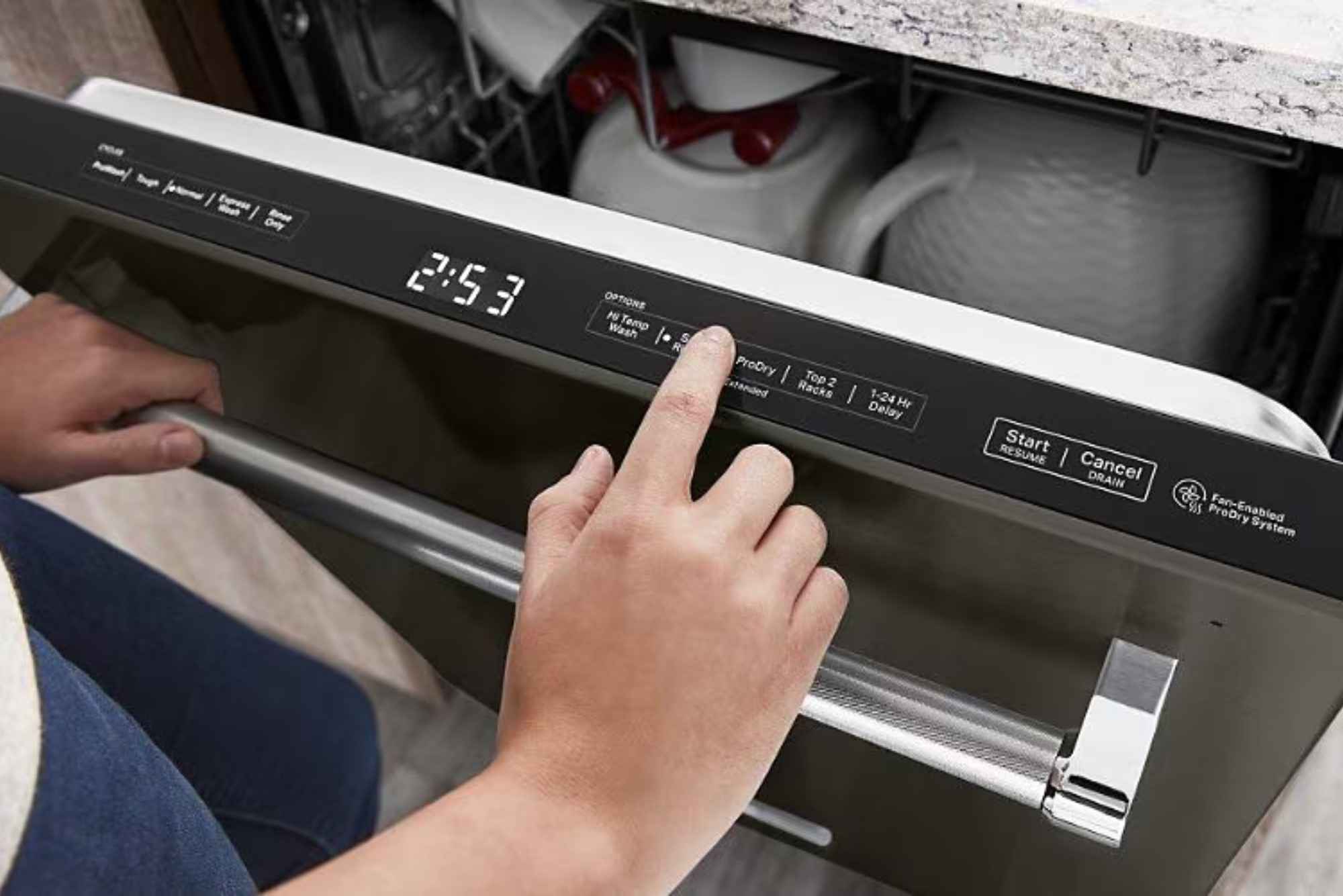
A dishwasher is one of the most essential appliances in any modern kitchen, saving time and effort in daily cleaning tasks. However, when the appliance suddenly stops working, it can disrupt your routine and create unnecessary stress. One of the most common issues users face is when their dishwasher refuses to start. Understanding the reasons behind this problem and applying the right dishwasher not starting fix can help you restore your appliance quickly without unnecessary expense.
In many cases, the issue is not as serious as it may seem. Dishwashers are designed with multiple safety mechanisms and electrical components that must function properly before the machine can begin a cycle. When even a small part fails or becomes misaligned, the entire system may stop responding. This makes it important to approach the problem methodically and identify the root cause before attempting any repair.
Power Supply Issues and Basic Checks
One of the first things to consider when your dishwasher does not start is the power supply. If the appliance is not receiving electricity, it will not respond regardless of how many times you press the start button. Sometimes the issue is as simple as a loose plug or a tripped circuit breaker. Checking the power outlet and ensuring the dishwasher is properly connected can save time and effort.
In addition, damaged power cords or faulty sockets may also interrupt the electrical flow. Over time, wiring can wear out or become loose, leading to inconsistent performance. If the dishwasher shows no signs of life, such as lights or sounds, inspecting the electrical connection is a necessary step in finding an effective Dishwasher Not Starting Fix.
Door Latch Problems and Safety Mechanisms
Dishwashers are designed with safety features that prevent them from operating when the door is not securely closed. The door latch plays a critical role in ensuring the appliance starts only when it is safe to do so. If the latch is damaged, loose, or misaligned, the dishwasher may fail to start even if everything else is functioning correctly.
When the door does not close properly, the internal switch does not activate, stopping the machine from beginning its cycle. Over time, repeated use can cause wear and tear on the latch mechanism. Cleaning the latch area and ensuring there is no debris blocking it can help resolve the issue. In some cases, replacing the latch may be necessary to restore normal operation.

Control Panel and Electronic Faults
Modern dishwashers rely heavily on electronic control panels to operate efficiently. These panels allow users to select wash cycles, adjust settings, and start the machine. If the control panel becomes unresponsive, the dishwasher may not start at all. This can happen due to moisture exposure, electrical surges, or internal component failure.
Sometimes, the control panel may appear functional but fails to send signals to the internal system. Resetting the dishwasher by disconnecting it from power for a few minutes can help resolve minor glitches. However, if the issue persists, professional inspection may be required to repair or replace the electronic components involved in the dishwasher not starting fix process.
Faulty Start Switch and Timer Issues
Another possible cause of a non-starting dishwasher is a defective start switch. This component is responsible for sending the signal that begins the wash cycle. If the switch is worn out or damaged, pressing the start button will have no effect. Similarly, older dishwashers that use mechanical timers may fail to start if the timer is faulty.
Over time, switches and timers can degrade due to continuous use. Diagnosing this issue often requires technical knowledge and tools to test electrical continuity. Replacing a faulty switch or timer can restore the appliance’s functionality and ensure smooth operation.
Water Supply Problems and Their Impact
Dishwashers require a proper water supply to begin their cycles. If the appliance detects that there is no water coming in, it may refuse to start. This safety feature prevents damage to internal components. A closed water valve, clogged inlet hose, or faulty inlet valve can all contribute to this issue.
Checking the water connection and ensuring that the valve is fully open is an important step. In some cases, mineral buildup or debris may block the water inlet, reducing flow. Cleaning or replacing the affected parts can help resolve the issue and support an effective dishwasher not starting fix.
Drainage System Blockages
A blocked drainage system can also prevent a dishwasher from starting. If the machine detects that water from the previous cycle has not drained properly, it may stop functioning to avoid overflow or damage. Food particles, grease, and debris can accumulate in the drain hose or filter, causing blockages over time.
Regular cleaning of the filter and drain area is essential to maintain proper performance. Removing any visible debris and ensuring smooth water flow can help prevent starting issues. In more severe cases, professional cleaning may be required to clear stubborn blockages.
Thermal Fuse and Internal Protection
Many dishwashers are equipped with a thermal fuse that protects the appliance from overheating. If the fuse blows, the dishwasher will not start as a safety precaution. This component is designed to cut off power when excessive heat is detected, preventing damage to internal parts.
Replacing a blown thermal fuse requires careful handling and proper diagnosis. Since this issue is related to electrical safety, it is often recommended to seek professional assistance. Addressing the root cause of overheating is also important to prevent the problem from recurring.
Importance of Regular Maintenance
Regular maintenance plays a vital role in preventing issues like a dishwasher failing to start. Cleaning the interior, checking connections, and inspecting key components can help identify potential problems before they become serious. Simple practices such as avoiding overloading the dishwasher and using the correct detergent can also improve performance.
By maintaining your appliance properly, you reduce the chances of unexpected breakdowns and extend its lifespan. Preventive care is always more cost-effective than dealing with major repairs, making it an essential part of appliance ownership.
When Professional Help Is Necessary
While many dishwasher problems can be resolved with basic troubleshooting, some issues require professional expertise. Electrical faults, internal component failures, and complex mechanical problems should be handled by trained technicians. Attempting to fix such issues without proper knowledge can lead to further damage or safety risks.
Professional repair services have the tools and experience needed to diagnose and fix problems accurately. They can also ensure that replacement parts are compatible and installed correctly. Seeking expert help is often the best approach when basic troubleshooting does not resolve the issue.
A dishwasher that does not start can be frustrating, but the problem is often easier to fix than it appears. By understanding the common causes and applying the right solutions, you can restore your appliance to working condition without unnecessary stress. From checking the power supply to inspecting internal components, each step plays a role in identifying the issue.
Related Reading: AC Refrigerant Overcharge Symptom
Related Reading: Dishwasher Rack Wheel Replacement — full guide
