Modern dryers are built for convenience, efficiency, and durability, yet even the smallest component can affect their overall performance. One such overlooked part is the dryer door hinge pin. Although small in size, this metal pin plays a crucial structural role in supporting the dryer door and ensuring smooth opening and closing. When the hinge pin becomes loose, bent, worn, or broken, it can lead to misalignment, air leakage, operational inefficiency, and long-term mechanical damage. Understanding the importance of the dryer door hinge pin helps homeowners recognize early warning signs and take timely action.
A properly functioning dryer door ensures that heat remains sealed within the drum during operation. This controlled environment allows clothes to dry evenly and efficiently. When the hinge pin weakens, the door may sag or fail to close securely. Even a slight misalignment can cause warm air to escape, forcing the dryer to work harder and consume more energy. Over time, this added strain impacts internal components and increases electricity costs.
Understanding the Role of the Dryer Door Hinge Pin
The dryer door hinge pin connects the door to the cabinet frame. It acts as a pivot point that allows smooth movement while keeping the door aligned with the latch mechanism. This alignment is critical because dryers are equipped with safety switches that prevent operation when the door is not properly closed. If the hinge pin becomes damaged, the door may not engage the switch correctly, resulting in intermittent start issues or complete failure to run.
In many cases, users notice that the dryer door feels heavier or uneven. This is often due to wear on the hinge pin caused by repeated use over several years. Each time the door is opened and closed, pressure is applied to the hinge assembly. Eventually, friction and weight stress can cause the pin to bend or loosen. Professional evaluation ensures that the hinge pin and surrounding components remain secure and properly aligned.
Common Signs of a Faulty Dryer Door Hinge Pin
There are several warning signs indicating potential hinge pin problems. One of the most noticeable is a sagging door that does not sit flush against the dryer body. Another common issue is difficulty closing the door, often requiring extra force. Some users hear a squeaking or grinding noise when opening or closing the dryer, which suggests metal-on-metal friction caused by a worn pin.
In more severe cases, the door may appear crooked, or the latch may fail to connect with the door switch. This can prevent the dryer from starting, even if all other systems are functioning properly. Ignoring these signs can lead to further damage, including stress on the door panel or cracking of the hinge bracket.

How a Damaged Hinge Pin Affects Performance
Although the hinge pin is not directly involved in the drying mechanism, it significantly impacts operational efficiency. A door that does not seal properly allows heated air to escape. This reduces internal temperature stability, causing the dryer to run longer cycles to achieve desired dryness levels. Extended operation increases wear on heating elements, thermostats, and motors.
Additionally, poor door alignment can compromise safety. Modern dryers rely on door switches to prevent accidental operation. If the hinge pin prevents the door from closing fully, the appliance may shut off mid-cycle or refuse to start. These inconsistencies create inconvenience and may lead users to believe there is a more complex electrical issue when the root cause is mechanical.
Professional Repair and Replacement Process
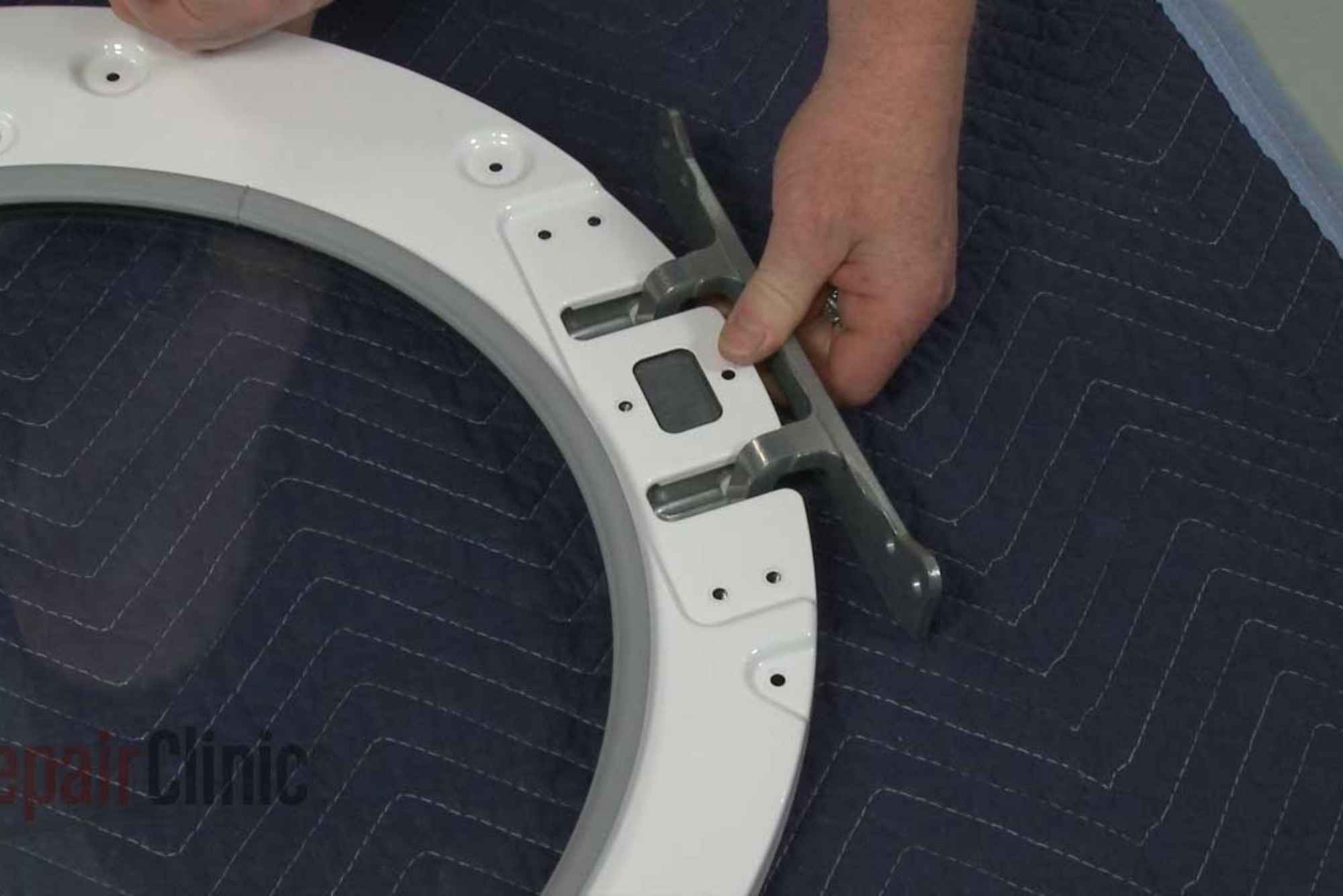
Replacing a dryer door hinge pin requires careful disassembly of the door panel and hinge assembly. The technician first disconnects power to ensure safety. The dryer door is then removed by unscrewing hinge brackets from the cabinet frame. Once detached, the damaged hinge pin is extracted and replaced with a compatible part designed for the specific dryer model.
Professional technicians ensure that the new hinge pin fits securely and that the door aligns properly with the latch and switch. After reassembly, the door is tested for smooth movement and secure closure. This precision prevents recurring issues and guarantees stable performance. Attempting to fix a hinge pin without proper tools or expertise may result in misalignment or stripped screws, leading to additional repairs.
Importance of Proper Door Alignment
Door alignment is essential for both efficiency and safety. When the hinge pin holds the door at the correct angle, the gasket forms a tight seal around the drum opening. This seal maintains consistent internal temperature and prevents energy waste. Even a minor gap can disrupt airflow and extend drying times.
A misaligned door also places uneven stress on the hinge bracket and surrounding screws. Over time, this stress can cause structural damage to the cabinet frame. Professional hinge pin replacement ensures balanced weight distribution and reduces mechanical strain.
Preventive Maintenance for Longer Lifespan
Although hinge pins are durable, regular inspection helps identify wear before it becomes severe. Avoiding excessive force when opening or closing the door prolongs hinge life. Supporting the door gently instead of allowing it to swing freely reduces impact stress on the pin.
Periodic maintenance checks allow technicians to tighten loose screws and inspect hinge alignment. Addressing small adjustments early prevents larger mechanical failures. Preventive care not only protects the hinge pin but also extends the lifespan of the entire dryer.
Energy Efficiency and Cost Considerations
Many homeowners overlook how minor mechanical faults affect energy consumption. A loose hinge pin leading to air leakage may increase drying time significantly. Longer cycles translate to higher electricity bills and unnecessary component strain. By maintaining a secure door seal, homeowners preserve efficiency and reduce operating costs.
Investing in timely hinge pin replacement is far more affordable than replacing heating elements or motors damaged by prolonged overuse. Professional repair ensures that the dryer operates at optimal capacity without hidden inefficiencies.
When to Seek Professional Assistance
If the dryer door feels unstable, does not close smoothly, or produces unusual sounds, professional inspection is advisable. Attempting temporary fixes such as tightening screws without checking the hinge pin may not resolve the underlying problem. Experts assess the entire hinge assembly, including brackets, bushings, and alignment.
Professional repair services provide accurate diagnosis and durable solutions. With proper tools and model-specific parts, technicians restore original functionality quickly and safely. Prompt attention prevents minor hinge issues from escalating into major structural damage.
Long-Term Appliance Value
Maintaining small components like the dryer door hinge pin contributes to overall appliance longevity. Dryers represent a significant household investment, and preserving their structural integrity protects that investment. Regular care ensures consistent performance, reduces downtime, and enhances user satisfaction.
A well-maintained dryer operates efficiently, consumes less energy, and provides reliable service for many years. Addressing hinge pin wear promptly supports these benefits and prevents unnecessary stress on internal systems.
The dryer door hinge pin may appear insignificant, but its role in maintaining alignment, safety, and efficiency is critical. A damaged or worn hinge pin can lead to door misalignment, energy loss, operational inconsistency, and structural strain. Recognizing early signs such as sagging doors, unusual noises, or difficulty closing the dryer allows homeowners to take corrective action before major problems develop.
Related Reading: Fridge Door Gasket Magnet — full guide