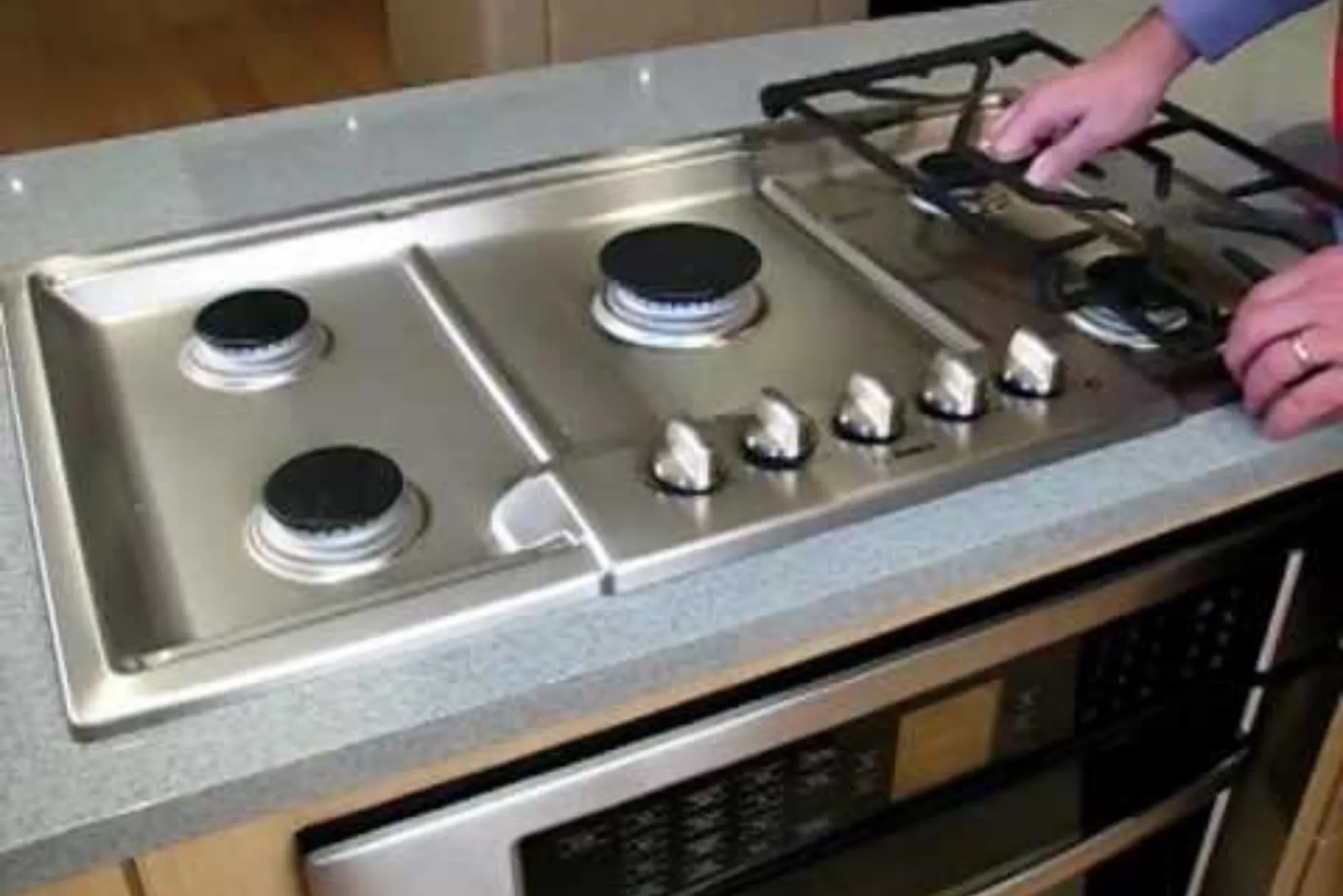
Stove spill tray cleaning is one of the most overlooked yet essential maintenance tasks in modern kitchens. While homeowners often focus on wiping the cooktop surface, the spill trays beneath burners silently collect grease, food particles, and burnt residue. Over time, this buildup can affect not only the appearance of your stove but also its performance, safety, and lifespan. Regular Stove spill tray cleaning ensures that your cooking appliance remains hygienic, efficient, and free from hidden damage that may eventually require professional stove repair service.
In today’s fast-paced households, stoves are used daily for preparing meals, boiling liquids, frying foods, and simmering sauces. Each cooking session increases the chance of spills, splatters, and overflows. Without proper cleaning and maintenance, these spills harden and become difficult to remove, leading to corrosion, unpleasant odors, and burner malfunctions. Understanding how and why Stove spill tray cleaning is crucial can save you time, money, and unnecessary repair costs in the future.
Understanding the Role of Stove Spill Trays
Spill trays, sometimes referred to as drip pans, are designed to catch food debris, oil splashes, and liquid overflows during cooking. These trays sit beneath the burners and act as a protective barrier for the internal components of the stove. Whether you own a gas or electric stove, spill trays prevent direct exposure of sensitive parts to food residue and moisture.
When these trays are neglected, accumulated grease and burnt particles can interfere with heat distribution. In gas stoves, clogged spill trays may restrict airflow around the burners, causing uneven flames. In electric models, hardened residue can lead to overheating and potential damage to heating elements. Proper Stove spill tray cleaning not only preserves the cleanliness of your kitchen but also supports optimal stove performance.
Why Stove Spill Tray Cleaning Is Essential for Kitchen Hygiene
Kitchen hygiene is a priority in every home and commercial space. Hidden grease buildup beneath burners can attract pests, promote bacterial growth, and create foul odors. When food particles decompose under high heat, they release smoke and unpleasant smells that can affect the taste of your meals.
Stove spill tray cleaning eliminates these hygiene risks by removing trapped debris before it becomes a serious issue. Clean trays reduce the chance of smoke during cooking and help maintain a fresh kitchen environment. In restaurants and food service establishments, consistent cleaning practices are even more critical to meet health and safety standards.

Ignoring spill tray maintenance can eventually result in visible rust, corrosion, and permanent staining. At this stage, basic cleaning methods may no longer be effective, and replacement or stove repair service may become necessary.
The Impact of Grease Buildup on Stove Performance
Grease and food residue do more than just look unsightly. Over time, hardened deposits can block burner ports in gas stoves, leading to weak or irregular flames. You may notice that food takes longer to cook or that flames appear yellow instead of blue. These are signs that Stove spill tray cleaning has been neglected.
In electric stoves, residue buildup can interfere with heat conduction. Burners may heat unevenly, resulting in inconsistent cooking temperatures. This not only affects food quality but also increases energy consumption. When your stove works harder to reach the desired temperature, it consumes more gas or electricity, raising utility bills.
Regular Stove spill tray cleaning ensures proper airflow, stable flames, and consistent heat distribution. It also reduces strain on internal components, extending the lifespan of your appliance and minimizing the need for professional stove repair service.
Professional Approach to Stove Spill Tray Cleaning
While many homeowners attempt quick surface cleaning, a professional approach involves a thorough inspection and deep cleaning process. The first step is allowing the stove to cool completely. Removing burners and carefully detaching spill trays ensures safe access to hidden areas.
Soaking trays in warm water mixed with degreasing agents helps loosen stubborn residue. Gentle scrubbing with non-abrasive tools removes burnt particles without scratching the surface. In severe cases, specialized cleaning solutions may be required to dissolve hardened grease layers.
After cleaning, trays must be dried completely before reinstallation. Moisture left behind can accelerate rust formation, especially in metal trays. Professional technicians offering stove repair service often include detailed cleaning as part of routine maintenance, ensuring that every component functions efficiently.
Common Challenges in Stove Spill Tray Cleaning
One of the biggest challenges in Stove spill tray cleaning is dealing with burnt-on residue that has accumulated over months or even years. When spills are repeatedly exposed to high heat, they carbonize and become extremely difficult to remove. Scraping aggressively can damage the tray surface, reducing its durability.
Another issue arises when trays are severely corroded. Rust not only affects appearance but can also weaken the structural integrity of the tray. In such cases, replacement may be more practical than cleaning. Consulting a professional stove repair service helps determine whether cleaning or replacement is the best solution.
Improper cleaning products can also cause damage. Harsh chemicals may erode protective coatings, while abrasive scrubbers can scratch enamel surfaces. Choosing the right cleaning method is essential for maintaining tray quality.
Preventive Maintenance to Avoid Major Repairs
Preventive maintenance plays a crucial role in reducing long-term repair costs. Performing Stove spill tray cleaning regularly prevents grease buildup from becoming unmanageable. Wiping minor spills immediately after cooking significantly reduces cleaning effort later.
Scheduling periodic inspections with a trusted stove repair service ensures that internal components remain in good condition. Technicians can identify early signs of burner blockage, gas flow irregularities, or electrical issues before they escalate into expensive problems.
Preventive care also improves safety. Accumulated grease is highly flammable and increases the risk of kitchen fires. By maintaining clean spill trays, homeowners reduce fire hazards and create a safer cooking environment.
When to Seek Professional Stove Repair Service
Although Stove spill tray cleaning can be handled at home, certain signs indicate the need for professional assistance. Persistent uneven flames, frequent burner ignition problems, or electrical malfunctions may point to deeper issues beyond surface cleaning.
If you notice rust spreading beyond the tray into surrounding components, it is essential to contact a qualified stove repair service. Corrosion can compromise structural parts and lead to gas leaks or electrical faults. Professional technicians have the tools and expertise to diagnose and resolve these issues safely.
Strange odors during cooking, continuous smoke despite cleaning, or visible damage to burner assemblies are additional warning signs. Addressing these concerns promptly prevents further deterioration and ensures safe appliance operation.
The Financial Benefits of Regular Cleaning
Investing time in Stove spill tray cleaning offers long-term financial benefits. Clean stoves operate more efficiently, consuming less fuel or electricity. Reduced energy consumption translates into lower utility bills over time.
Regular maintenance also extends appliance lifespan. Replacing a stove is a significant expense, especially in commercial kitchens. By maintaining clean spill trays and seeking timely stove repair service, property owners avoid premature replacement costs.
Additionally, maintaining a clean and functional stove enhances property value. In rental properties or homes for sale, well-maintained appliances contribute to positive impressions and increased market appeal.
Enhancing Cooking Efficiency Through Proper Care
Cooking efficiency depends heavily on consistent heat distribution. When spill trays are clean, burners perform at their best, ensuring that pots and pans receive even heat. This leads to better cooking results, reduced cooking times, and improved food quality.
Professional chefs understand the importance of appliance maintenance. In commercial kitchens, Stove spill tray cleaning is part of routine operational standards. Clean equipment supports productivity, allowing chefs to focus on preparing meals rather than troubleshooting appliance issues.
Home cooks can benefit similarly. A clean and well-maintained stove provides reliable performance, making everyday cooking tasks more convenient and enjoyable.
Long-Term Appliance Protection
Stoves are long-term investments designed to serve households for many years. However, neglecting basic maintenance can significantly shorten their lifespan. Stove spill tray cleaning protects internal components from grease infiltration, corrosion, and mechanical strain.
By preventing residue from spreading into burner assemblies and gas lines, cleaning reduces the likelihood of internal damage. When combined with regular stove repair service inspections, this maintenance approach ensures optimal appliance performance for years to come.
Manufacturers often recommend routine cleaning as part of warranty requirements. Failure to maintain the appliance properly may void warranty coverage. Consistent care not only preserves functionality but also safeguards warranty benefits.
Stove spill tray cleaning is far more than a simple cosmetic task. It plays a critical role in maintaining hygiene, enhancing performance, improving safety, and extending the lifespan of your stove. Neglected spill trays can lead to inefficient cooking, higher energy bills, unpleasant odors, and costly repairs.
By adopting a proactive approach to Stove spill tray cleaning and seeking professional stove repair service when necessary, homeowners and businesses can protect their investment and ensure reliable kitchen performance. Regular maintenance reduces risks, enhances efficiency, and promotes a clean and safe cooking environment.
Related Reading: AC Refrigerant Overcharge Symptom — full guide
Related Reading: AC Plenum Box Sealing — full guide
