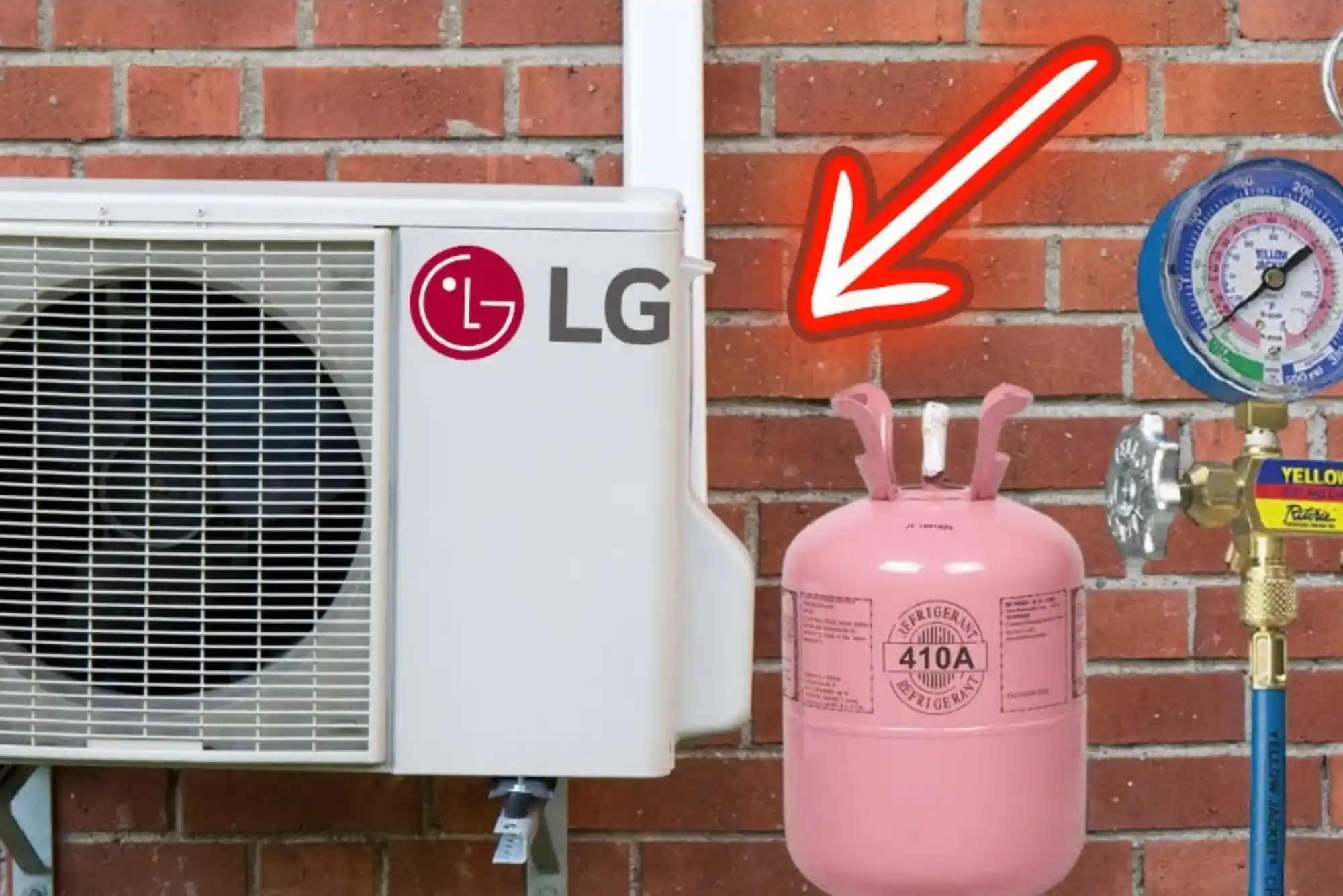
Air conditioning systems play a critical role in maintaining comfort, particularly in hot climates such as Dubai. With the rising need for cooling solutions, the proper functioning of air conditioners has become a priority for homeowners, businesses, and property managers alike. One often overlooked issue that can compromise the efficiency and longevity of an AC system is refrigerant overcharge. Understanding AC refrigerant overcharge symptoms is essential for preventing costly damage and ensuring optimal performance. Homeowners and facility managers who recognize these signs early can benefit from timely intervention and professional AC repair service, saving both money and stress in the long run.
Refrigerant overcharge occurs when the air conditioning system contains more refrigerant than the manufacturer recommends. While it may seem that adding extra refrigerant could enhance cooling performance, this is a misconception. In reality, excessive refrigerant increases pressure inside the system, putting stress on key components such as the compressor, evaporator coils, and condenser. Over time, this strain can lead to component failure, reduced efficiency, and potentially complete system breakdown. Recognizing AC refrigerant overcharge symptoms early is essential for maintaining a safe and effective cooling environment.
Causes of AC Refrigerant Overcharge
Refrigerant overcharge typically arises from human error during servicing or improper maintenance practices. Technicians who are inexperienced may add excessive refrigerant during a routine refill, mistakenly believing that more refrigerant will improve cooling capacity. In some cases, the refrigerant levels may not be measured accurately due to faulty equipment or improper techniques, resulting in overcharge. Overcharging can also occur after repairing leaks if the system is refilled without ensuring the correct total refrigerant level. Such mistakes may seem minor initially, but they create stress on the entire AC system and compromise its ability to operate efficiently. Awareness of the causes of refrigerant overcharge helps homeowners understand the importance of hiring qualified AC repair service professionals who follow proper procedures and adhere to manufacturer specifications.
Detecting AC Refrigerant Overcharge Symptoms
Detecting refrigerant overcharge requires a combination of observational awareness and professional diagnostic testing. One of the first noticeable signs of overcharge is a reduction in cooling efficiency. This may seem counterintuitive because more refrigerant does not automatically improve cooling performance. Instead, excessive refrigerant increases system pressure, which interferes with proper heat transfer within the AC system. Homeowners may notice that their air conditioner takes longer to reach the desired temperature, or that rooms remain warmer than expected despite the system running continuously. Reduced cooling performance is often accompanied by other subtle indicators that, when combined, strongly suggest refrigerant overcharge.
Another indication is ice formation on the evaporator coil. Excess refrigerant can cause the temperature of the coil to drop below freezing, leading to the accumulation of ice. This ice buildup restricts airflow and further reduces cooling efficiency. Over time, the frozen evaporator coil can damage surrounding components, and if the condition persists, it may lead to permanent compressor issues. Observing frost on the coil or condensation freezing within the AC unit is a warning sign that professional AC repair service is required immediately.
Pressure readings within the system provide additional confirmation of overcharge. Overcharged systems display abnormally high pressure levels in both the low and high-pressure sides of the unit. While a casual homeowner cannot easily measure pressure, a professional technician can use specialized gauges to determine whether the system is operating within safe parameters. High pressure strains components such as valves, compressors, and pipelines, and prolonged exposure to these conditions can result in mechanical failure. Timely intervention ensures that the system is returned to its optimal pressure range, preventing severe damage.

Accompanying these mechanical signs are changes in sound. Overcharged AC systems often produce unusual noises, including hissing, banging, or gurgling sounds. These noises result from the abnormal movement of refrigerant and the stress it places on the system’s internal components. While occasional operational sounds are normal, persistent or unusual noises should never be ignored, as they frequently indicate a more serious underlying issue that requires professional AC repair service.
Another less obvious but critical symptom is increased energy consumption. An overcharged system must work harder to achieve the desired cooling effect, which places extra load on the compressor and electrical circuits. As a result, electricity bills may rise unexpectedly even when cooling demand remains constant. Noticing a sudden spike in energy consumption without an apparent reason may indicate refrigerant overcharge and serves as a strong prompt to schedule professional inspection and service.
Consequences of Ignoring Refrigerant Overcharge
Failing to address refrigerant overcharge can have severe consequences for an air conditioning system. One of the most critical risks is damage to the compressor, which serves as the heart of the AC unit. Excessive pressure can cause the compressor to overheat, leading to mechanical failure or even total breakdown. Compressor repairs are often costly and, in some cases, may require complete replacement of the unit. The strain caused by overcharge is not limited to the compressor; it affects the evaporator and condenser coils, valves, and pipelines. Over time, this strain accelerates wear and tear, significantly reducing the overall lifespan of the air conditioner.
In addition to mechanical damage, refrigerant overcharge carries environmental concerns. Overcharged systems are more likely to leak refrigerant, releasing harmful chemicals into the atmosphere. This not only affects the environment but also risks non-compliance with regulations that govern refrigerant handling. Certified technicians follow strict protocols to ensure safe recovery and disposal of refrigerants, minimizing environmental impact while restoring the system to proper operating conditions.
Ignoring refrigerant overcharge also compromises energy efficiency. The AC system operates under higher pressure and increased load, consuming more electricity and potentially straining home or office electrical systems. Over time, this inefficiency translates to higher utility bills and a less comfortable indoor environment. Addressing refrigerant levels promptly ensures that cooling systems operate efficiently and reliably, providing consistent comfort and cost savings.
The Role of Professional AC Repair Service
Professional AC repair service is essential when dealing with AC refrigerant overcharge symptoms. Experienced technicians bring the knowledge, tools, and skills necessary to accurately diagnose and correct refrigerant imbalances. Using precise gauges, temperature sensors, and pressure measurement equipment, technicians can identify whether a system is overcharged and determine the exact amount of refrigerant that needs to be removed or adjusted.
Once overcharge is confirmed, certified technicians safely remove excess refrigerant, following strict environmental and safety protocols. This process not only restores the system to its correct operating parameters but also prevents harm to the environment and ensures regulatory compliance. Proper refrigerant handling is a key aspect of professional AC repair service, and it underscores the importance of hiring qualified personnel for all AC maintenance and repair tasks.
Beyond refrigerant adjustment, professional AC repair service typically includes a comprehensive inspection of the system. This may involve examining the compressor, condenser and evaporator coils, valves, electrical connections, and other critical components. By assessing the entire system, technicians can identify potential issues that may have been caused or exacerbated by overcharge, implementing preventative measures that reduce the likelihood of future breakdowns.
Restoring correct refrigerant levels also improves energy efficiency. An AC system operating under optimal conditions consumes less electricity while delivering consistent cooling. This is particularly important in regions with extreme heat, such as Dubai, where air conditioners often run for long periods. Professional AC repair service ensures that systems operate at peak performance, minimizing costs and enhancing comfort for residents and businesses.
Preventing AC Refrigerant Overcharge
Prevention is the most effective strategy against refrigerant overcharge. Regular maintenance and inspections are crucial for keeping refrigerant levels balanced and system components in good condition. Homeowners and facility managers should avoid DIY refrigerant refills, as misjudging quantities can easily lead to overcharge. Relying on trained technicians ensures that proper measurements are taken and manufacturer guidelines are strictly followed.
Monitoring system performance is also important. Signs such as reduced cooling, ice formation on coils, unusual noises, and rising energy bills should prompt immediate professional evaluation. Early detection and corrective action prevent minor refrigerant issues from escalating into major mechanical failures. Professional AC repair service not only addresses current overcharge issues but also provides guidance on maintaining ideal refrigerant levels, helping homeowners avoid future problems.
A proactive approach includes scheduling routine inspections, keeping detailed records of past maintenance, and promptly addressing minor issues before they impact system performance. By integrating preventive maintenance with timely repair service, air conditioning systems remain reliable, energy-efficient, and capable of delivering the comfort expected in demanding environments.
AC refrigerant overcharge symptoms can seriously affect system performance, increase energy consumption, and damage critical components such as compressors and coils. Recognizing the signs, including reduced cooling efficiency, ice buildup on the evaporator coil, unusual noises, high pressure readings, and rising electricity bills, allows homeowners and businesses to take timely action. Ignoring these symptoms can lead to costly repairs, reduced system lifespan, and environmental hazards from refrigerant leaks.
