A washing machine that refuses to spin can be a frustrating problem for any household. The spin cycle is essential for removing excess water from clothes, making laundry faster and more efficient. When a washing machine stops spinning, clothes remain soaking wet, drying takes longer, and daily routines are disrupted. Understanding the causes behind this problem, along with professional repair solutions, can save time, money, and unnecessary stress.
Whether it’s a sudden malfunction or a recurring issue, knowing why your washing machine isn’t spinning is the first step toward a solution. From simple issues like unbalanced loads to complex electrical faults, this guide explores everything you need to know about washing machine not spinning repair.
Common Causes of Washing Machine Not Spinning
A washing machine may fail to spin for a variety of reasons, ranging from minor user errors to serious mechanical or electrical faults. Identifying the root cause is critical for effective repair.
One of the most frequent causes is an unbalanced load. Washing machines are designed to detect unevenly distributed clothes, and if the drum is off-center, the machine may stop the spin cycle to prevent damage. Overloading the machine can also strain internal components like the motor or drum, causing the spin function to fail. Even small imbalances, such as a few heavy items mixed with lighter ones, can prevent proper spinning.
Another common issue is a worn-out or broken drive belt. The belt connects the motor to the drum, enabling rotation during the spin cycle. If it becomes loose, frayed, or broken, the drum cannot spin regardless of the other functions working correctly. Similarly, problems with the motor coupling or clutch, which transfer power from the motor to the drum, can result in spinning failures. These components wear out over time, particularly in older machines.
Electrical and control system faults can also prevent spinning. Malfunctioning lid switches, timers, or control boards may interrupt the cycle. For instance, a faulty lid switch may falsely signal that the door is open, stopping the spin cycle as a safety measure. Capacitors, motors, or electronic circuits can also fail, preventing the drum from reaching the required speed to spin effectively.

Recognizing the Signs That Require Repair
It is important to identify early warning signs to prevent minor issues from becoming major problems. If your washing machine repair fills and drains water but does not spin, the problem likely lies in mechanical or electrical components rather than user error.
Other signs include strange noises, excessive vibrations, or repeated cycle interruptions. Ignoring these signs can lead to severe motor damage or failure of internal components, increasing repair costs. Water leakage, burning smells, or persistent error codes indicate serious faults that need professional attention.
While minor problems like uneven loads or overfilling can be fixed at home, persistent spinning issues require professional evaluation. Technicians can diagnose the underlying cause accurately and repair or replace faulty parts, ensuring the machine functions efficiently and safely.
DIY Checks Before Calling a Technician
Before contacting a repair professional, there are a few safe checks homeowners can perform. First, ensure the washing machine is placed on a flat, stable surface. Uneven flooring can trigger safety mechanisms that stop the spin cycle. Checking the load distribution is also crucial; if the machine is overloaded or the clothes are unevenly spread, redistributing the items can often restore spinning.
Inspecting the lid or door switch is another practical step. For top-loading machines, closing the lid firmly ensures that the spin cycle can start. For front-loading washers, the door latch must engage properly. Sometimes a visual inspection can reveal obvious damage or misalignment that is preventing the machine from spinning.
However, deeper mechanical or electrical issues should not be addressed without professional expertise. Attempting repairs without proper tools or knowledge can cause further damage or even pose a risk of electric shock.
Detailed Causes Behind Spinning Issues
Understanding the specific reasons why a washing machine stops spinning helps in targeted repair.
1. Mechanical Failures: Over time, key components such as the motor, drive belt, or drum bearings can wear out. A broken belt or malfunctioning clutch interrupts the transmission of power from the motor to the drum, preventing spinning. Similarly, damaged drum bearings make the drum heavy and difficult to rotate, affecting the spin cycle.
2. Electrical Problems: Modern washing machines rely heavily on electronic systems to control cycles. Faulty timers, control boards, or capacitors can prevent the machine from entering the spin phase. A malfunctioning lid or door switch can also simulate an open-door condition, stopping the spin cycle as a safety precaution.
3. Water Level and Drainage Issues: Washing machines will not spin if water is not drained properly. A clogged pump, blocked hose, or malfunctioning drainage system can prevent the machine from entering the spin cycle. Machines often detect the water level and will not spin until the drum is fully drained.
4. User Error: While most spinning issues are mechanical or electrical, improper use of the washing machine can also contribute. Overloading, mixing excessively heavy and light items, or uneven distribution of clothes can trigger sensors that prevent spinning.
Professional Washing Machine Not Spinning Repair
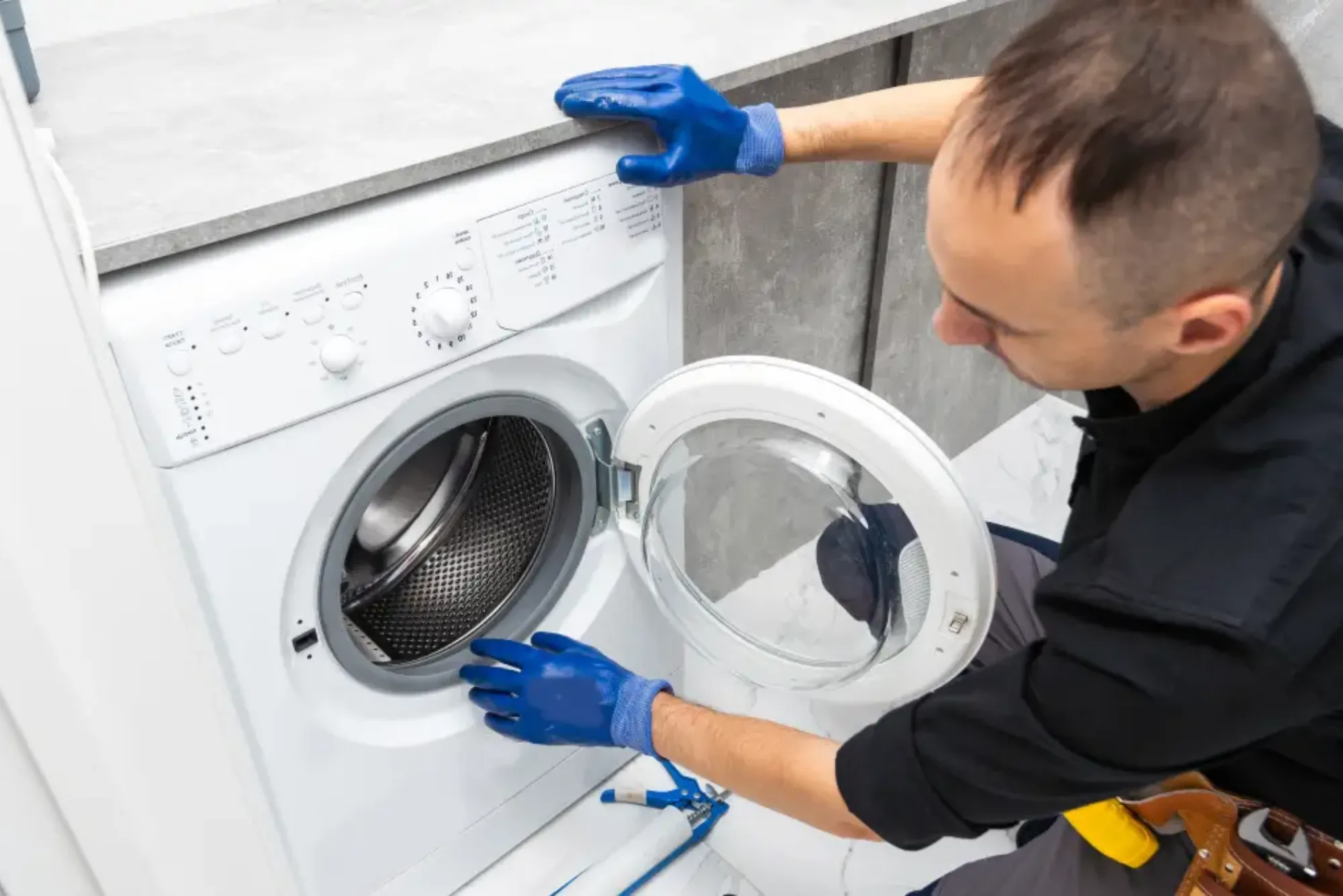
Engaging a professional for washing machine not spinning repair ensures accurate diagnosis and effective solutions. Certified technicians have the skills and tools to safely disassemble the machine, inspect internal components, and repair or replace faulty parts.
Technicians can address a wide range of issues, from worn belts and motor problems to electronic control malfunctions. They also test the machine after repair to ensure it spins smoothly under normal load conditions. Professional services minimize the risk of repeat issues and prevent further damage, making the repair more durable.
Additionally, professionals offer preventive advice to extend the lifespan of your appliance. They can recommend proper loading techniques, maintenance routines, and usage habits to prevent future spinning problems. Timely repair not only restores functionality but also improves energy efficiency and reduces water wastage, saving money in the long run.
Maintenance Tips to Prevent Future Spinning Issues
Regular maintenance is key to avoiding spinning problems in washing machines. Following manufacturer guidelines regarding load capacity and detergent use helps prevent excessive strain on the drum and motor. Overuse of detergent can create residue buildup, which may hinder the drum’s rotation.
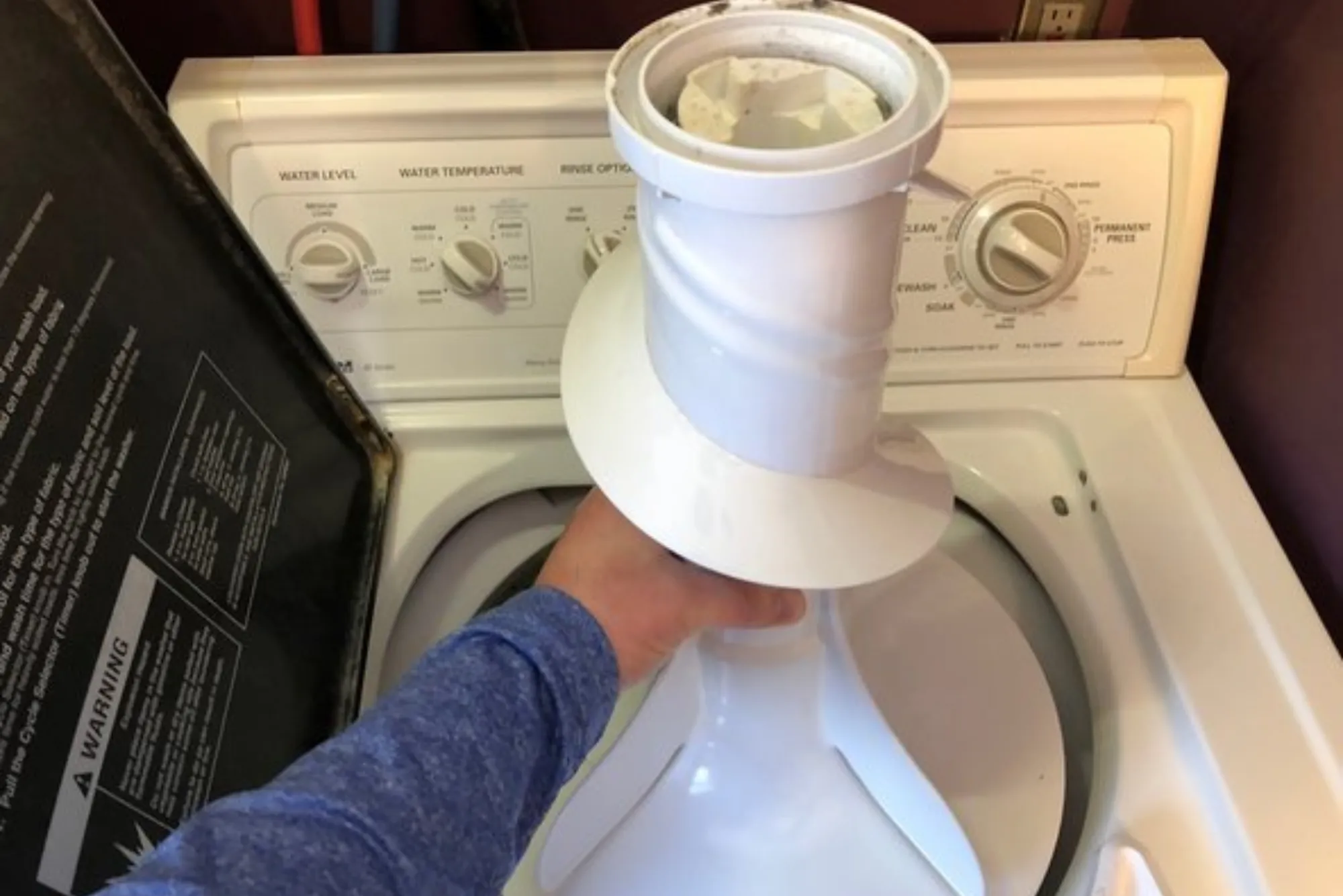
Keeping the washing machine level on a firm surface reduces unnecessary vibration, which can damage mechanical components over time. Regularly cleaning the drum, filter, and drainage system prevents blockages and ensures smooth operation. Periodic inspections by professional technicians can detect early signs of wear and tear, allowing preventive intervention before serious failures occur.
Other helpful habits include avoiding sudden power cuts during cycles and removing laundry promptly after the wash to prevent excess moisture accumulation inside the drum. Proper care not only prevents spinning failures but also ensures overall efficiency and durability of the machine.
When to Replace Your Washing Machine
Sometimes, despite repairs, a washing machine may repeatedly fail to spin due to age or extensive wear. If repairs are frequent or costly, it may be more practical to consider replacing the appliance. Signs that replacement may be a better option include persistent drum noise, frequent motor failures, or recurring electronic malfunctions.
Modern washing machines offer advanced features, energy efficiency, and better spin performance. Investing in a new machine can save long-term repair costs, reduce water and electricity consumption, and provide a more reliable laundry experience.
Safety Considerations During Washing Machine Repair
Safety is a critical factor when dealing with mechanical or electrical components. Always disconnect the washing machine from the power source before inspecting or attempting minor repairs. Avoid touching electrical parts or attempting motor repairs without proper knowledge.
Using proper tools and following safety precautions prevents accidents, including electric shocks or injuries from moving parts. Certified technicians adhere to strict safety protocols, ensuring that repairs are conducted without risk to the homeowner or the appliance.
A washing machine not spinning can disrupt daily routines, but understanding the causes and repair solutions ensures quick and effective resolution. Minor problems, such as unbalanced loads, can often be resolved at home, while mechanical or electrical faults require professional intervention.